10 Basic Steps to Lay Flagstone Walkways
Flagstone walkways transform compacted clay and bare earth into durable, permeable corridors that reduce soil erosion by up to 40 percent compared to poured concrete. The steps to lay flagstone walkways require precision in base preparation, edge restraint, and joint stabilization. Each stone placement affects drainage patterns, frost heave resistance, and long-term structural integrity. Proper execution demands attention to soil compaction, aggregate gradation, and the cation exchange capacity of bedding materials.
Materials
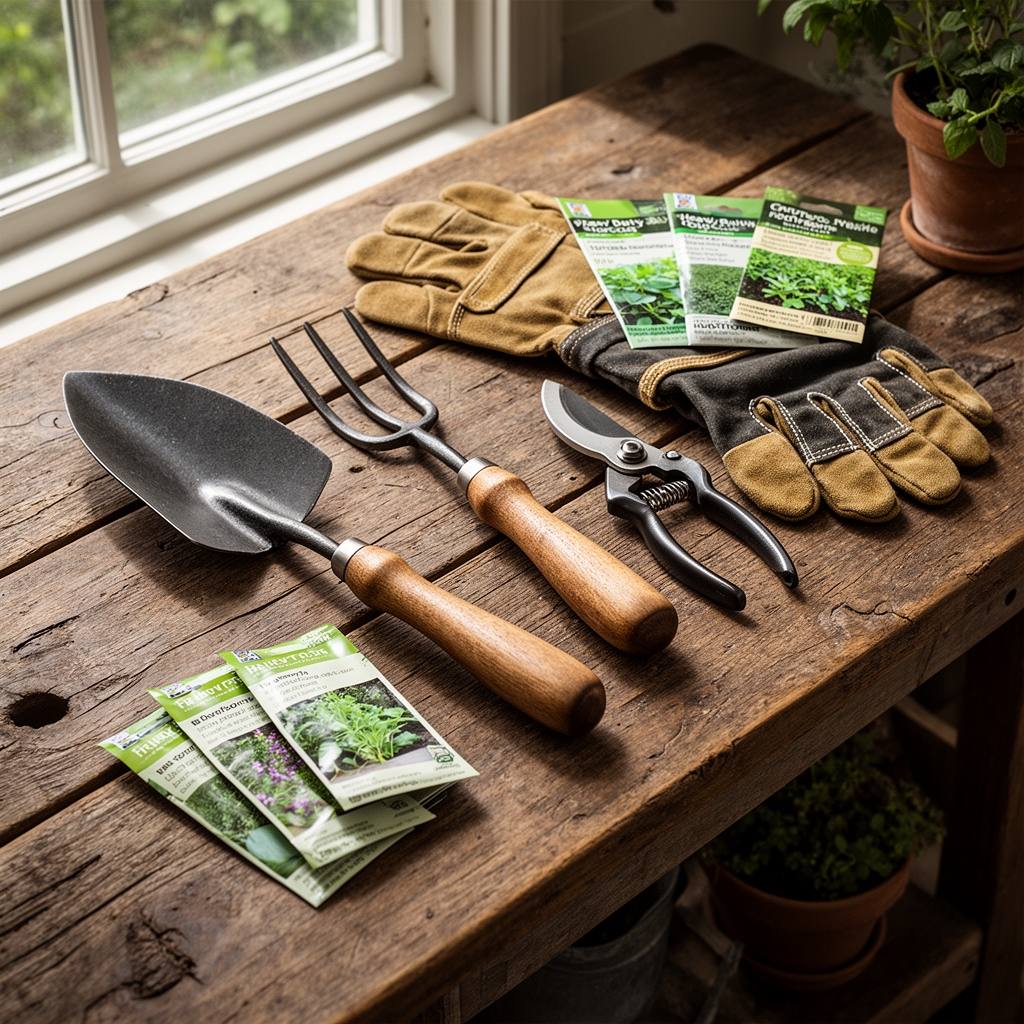
Base aggregates function as the root zone for hardscape stability. Use crushed limestone (pH 7.5-8.2) for alkaline-tolerant installations or decomposed granite (pH 6.0-7.0) where slight acidity benefits adjacent plantings. The ideal base layer consists of 3/4-inch minus aggregate compacted to 95 percent Proctor density. This mimics the structure of well-aggregated loam with 45 percent mineral content, 5 percent organic matter, and 50 percent pore space.
Bedding sand requires angular particles, not rounded. Concrete sand (0.02-0.08 inch diameter) provides mechanical interlock similar to silt-loam texture. Avoid masonry sand; its rounded grains act like ball bearings under load. For organic installations, incorporate composted pine bark fines at a 10:1 ratio with coarse sand to improve moisture retention without sacrificing drainage.
Edge restraints prevent lateral migration. Commercial-grade plastic edging (0.25 inch thick minimum) or pressure-treated lumber (ground contact rated, pH-neutral treatment) confines base materials. Steel edging oxidizes to produce iron oxide, which can stain limestone but enriches soil pH in acidic conditions by 0.2-0.4 units annually.
Joint-filling materials range from polymeric sand (self-hardening via binding agents) to perennial creepers. Thymus serpyllum tolerates foot traffic and fixes nitrogen at 2-4 pounds per 100 square feet annually. Decomposed granite joints promote infiltration rates of 8-12 inches per hour, matching Class A bioretention media specifications.
Timing
Hardiness Zones 3-7 require installation between late April and mid-October when soil temperatures exceed 50°F at 6-inch depth. Freeze-thaw cycles displace improperly compacted bases, creating voids that accelerate settling. Southern zones (8-11) benefit from winter installation; ambient temperatures below 85°F prevent premature polymer curing in joint sand and reduce crew heat stress.
Frost-date windows dictate base depth. Zone 5 installations require 6-8 inches of aggregate below the frost line (typically 36-48 inches). Zones 9-11 need only 4 inches of base for load distribution. Seasonal water table fluctuations in coastal regions demand installation during dry months when capillary rise drops below 18 inches from finished grade.
Phases
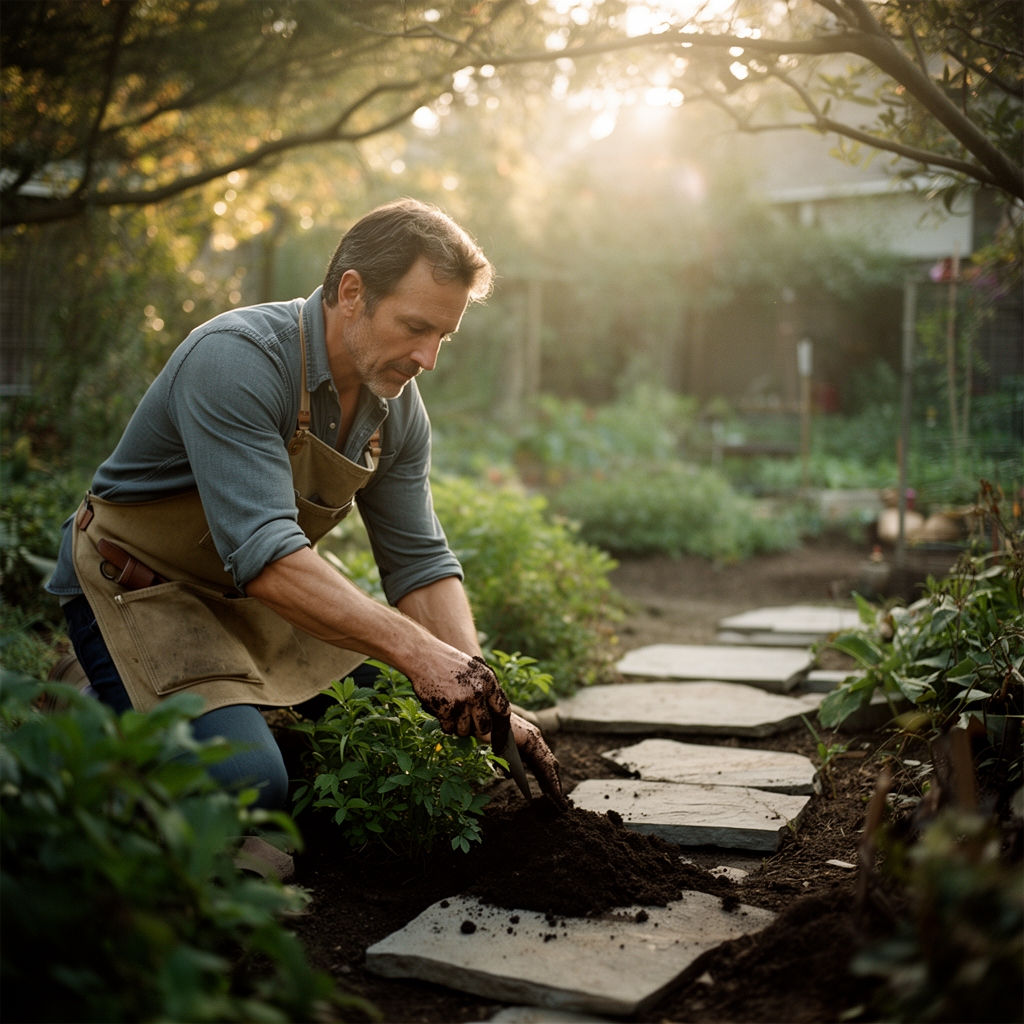
Excavation and Base Preparation
Remove topsoil to a depth equal to stone thickness plus 6 inches. Preserve excavated loam for berms or raised beds; its organic matter content (typically 3-5 percent) supports mycorrhizal fungi populations. Mechanical compactors (plate compactors for areas under 500 square feet, jumping jack tampers for confined spaces) deliver 3,000-5,000 pounds of centrifugal force. Compact in 2-inch lifts to achieve proper density without shearing soil structure.
Pro-Tip: Spray each aggregate lift with water to achieve optimum moisture content (8-12 percent by weight). This lubricates particles during compaction, creating dense matrices resistant to auxin distribution from root intrusion.
Stone Placement and Leveling
Arrange flagstones in a dry run before setting. Maintain 1/2-inch to 2-inch joints; narrower gaps restrict polymeric sand penetration, while wider joints invite weed colonization. Strike a 1-inch sand bed atop the compacted base. Use a straight-edge and torpedo level to maintain 2 percent cross-slope for drainage. Each stone should contact the bedding layer across 80 percent of its underside to prevent rocking and edge spalling.
Pro-Tip: Tap stones with a dead-blow mallet (rubber or polyurethane head) rather than steel hammers. Dead-blow tools transfer kinetic energy without fracturing crystalline matrices in sedimentary flagstones.
Joint Stabilization and Edge Finishing
Sweep polymeric sand into joints when stones and base are completely dry. Moisture triggers premature activation. Compact joints with a hand tamper or plate compactor fitted with a protective pad. Mist joints with a fine spray (0.5 gallons per 100 square feet) to initiate polymer bonding. Excess water leaches binders and creates calcium carbonate efflorescence on stone surfaces.
Pro-Tip: For living joints, amend backfill with 30 percent compost (4-4-4 nutrient analysis) to establish Thymus or Sedum. Plant plugs at 6-inch centers immediately after stone setting.
Troubleshooting
Symptom: Stone wobbles or rocks underfoot.
Solution: Lift stone and add coarse sand to low spots. Redistribute bedding sand to eliminate voids. Re-compact surrounding base if settling exceeds 1/4 inch.
Symptom: Efflorescence (white crystalline deposits) appears on stone surfaces.
Solution: Natural leaching of calcium carbonate from wet mortar or lime-rich base. Scrub with a 10:1 water-to-white vinegar solution (3 percent acetic acid). Rinse thoroughly to prevent pH disruption in adjacent planting beds.
Symptom: Joints erode or develop ant colonies.
Solution: Ants prefer loose, sandy substrates with low organic content. Re-fill joints with polymeric sand or introduce nematodes (Steinernema feltiae) at 5 million per 100 square feet to disrupt colony establishment.
Symptom: Frost heave displaces stones in winter.
Solution: Insufficient base depth or poor drainage. Excavate and deepen base to below frost line. Install perforated drain tile (4-inch diameter) along pathway edges, sloped 1 percent to daylight.
Symptom: Moss or algae growth on shaded stones.
Solution: High moisture retention and low light. Apply copper sulfate solution (1 tablespoon per gallon) quarterly. Improve canopy pruning to increase photosynthetically active radiation by 20-30 percent.
Maintenance
Apply 1 inch of water weekly during establishment if using living joints. Overhead irrigation encourages shallow rooting; drip emitters at 12-inch intervals promote deeper anchorage. Reapply polymeric sand every 24-36 months as UV degradation and foot traffic erode binders.
Pressure-wash stones annually at 1,500 PSI maximum. Higher pressures erode sedimentary layers and dislodge joint materials. Seal porous sandstones with penetrating sealers (silane or siloxane base) every 3-5 years to reduce freeze-thaw damage. Avoid topical sealers; they trap moisture and accelerate spalling.
Edge restraints require inspection each spring. Frost action can displace plastic edging by 1-2 inches annually. Re-stake with 10-inch galvanized spikes at 24-inch intervals. Replace corroded steel edging when rust depth exceeds 1/8 inch.
FAQ
How deep should the base be?
Six inches of compacted aggregate suffices in Zones 7-11. Zones 3-6 require 8-10 inches to resist frost heave.
Can I lay flagstone directly on soil?
Not recommended. Direct soil contact promotes differential settling, weed intrusion, and loss of drainage capacity within 12-18 months.
What is the best joint width?
One inch provides optimal balance. Polymeric sand penetrates reliably, and gaps accommodate thermal expansion of 0.02 inches per 10-foot run per 10°F temperature swing.
How long before I can walk on the pathway?
Twenty-four hours for dry-set installations. Polymeric sand joints require 48 hours of dry cure before traffic.
Will tree roots damage the pathway?
Roots follow moisture and oxygen gradients. Install root barriers (24-inch HDPE panels) vertically along pathway edges within 10 feet of mature trees.