10 Pro Tips How to Follow Spathiphyllum Care Tips
The scent of damp, anaerobic potting soil indicates a failure in drainage, while the crisp snap of a petiole under high turgor pressure signals a plant in peak physiological health. Achieving this balance requires more than casual observation; it demands a rigorous understanding of tropical botany. Learning how to follow spathiphyllum care tips involves mastering the transition from a passive hobbyist to a disciplined cultivator who monitors transpiration rates and soil electrolyte levels with precision.
Spathiphyllum, commonly known as the Peace Lily, is an aroid that thrives in the understory of neotropical rainforests. In a domestic setting, this species functions as a biological indicator for humidity and light quality. To maintain its deep green foliage and ivory spathes, you must replicate its native rhizosphere conditions. This guide provides the technical framework necessary to optimize growth through precise nutrient management, light manipulation, and hydraulic regulation.
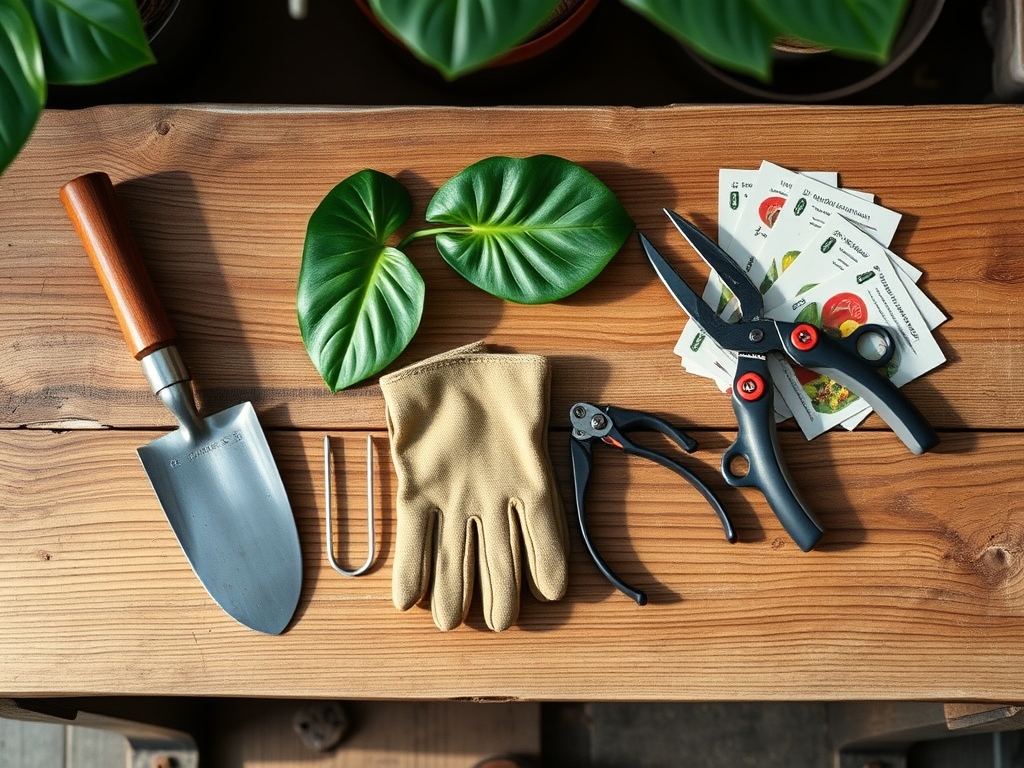
Materials:
The foundation of Spathiphyllum health is a substrate with a high Cation Exchange Capacity (CEC) to ensure nutrient availability. The ideal medium is a friable loam consisting of two parts peat or coco coir, one part perlite, and one part composted pine bark. This mixture ensures a pH range of 5.8 to 6.5, which is critical for the solubility of micronutrients like iron and manganese.
Fertilization requires a balanced approach to avoid salt accumulation in the root zone. Utilize a water-soluble fertilizer with an NPK ratio of 20-20-20 during the active growing season. For mature plants intended for flowering, a ratio of 15-30-15 can be used to stimulate the reproductive phase. Avoid fertilizers with high fluoride content, as Spathiphyllum is highly sensitive to fluoride toxicity, which manifests as necrotic leaf margins.
Timing:
Spathiphyllum is strictly a tropical perennial, hardy only in USDA Zones 11 and 12. In all other regions, it must be maintained in a climate-controlled environment where temperatures remain between 65 and 85 degrees Fahrenheit. Temperatures dropping below 55 degrees Fahrenheit will cause cellular damage and eventual senescence.
The biological clock of the Spathiphyllum is governed by light intensity rather than day length. While many plants are photoperiodic, Spathiphyllum is an opportunistic bloomer. It transitions from the vegetative to the reproductive stage when it has accumulated sufficient carbohydrates through photosynthesis. This typically occurs in late spring and summer as ambient light levels increase.
Phases:
Sowing and Propagation
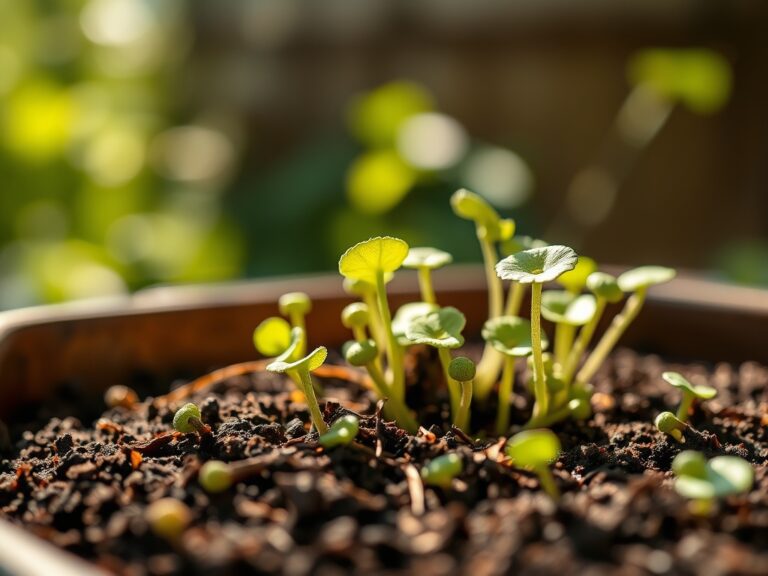
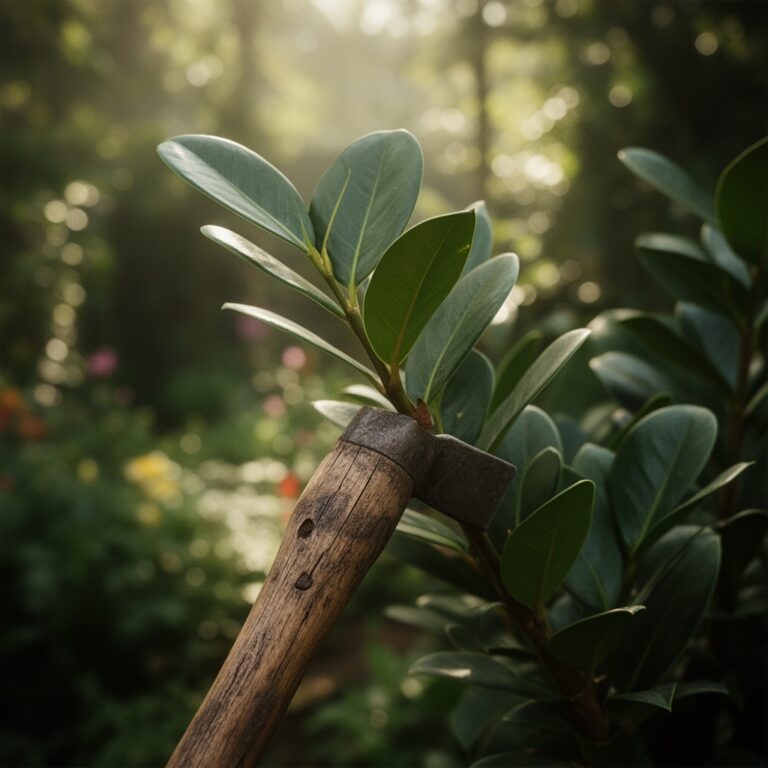
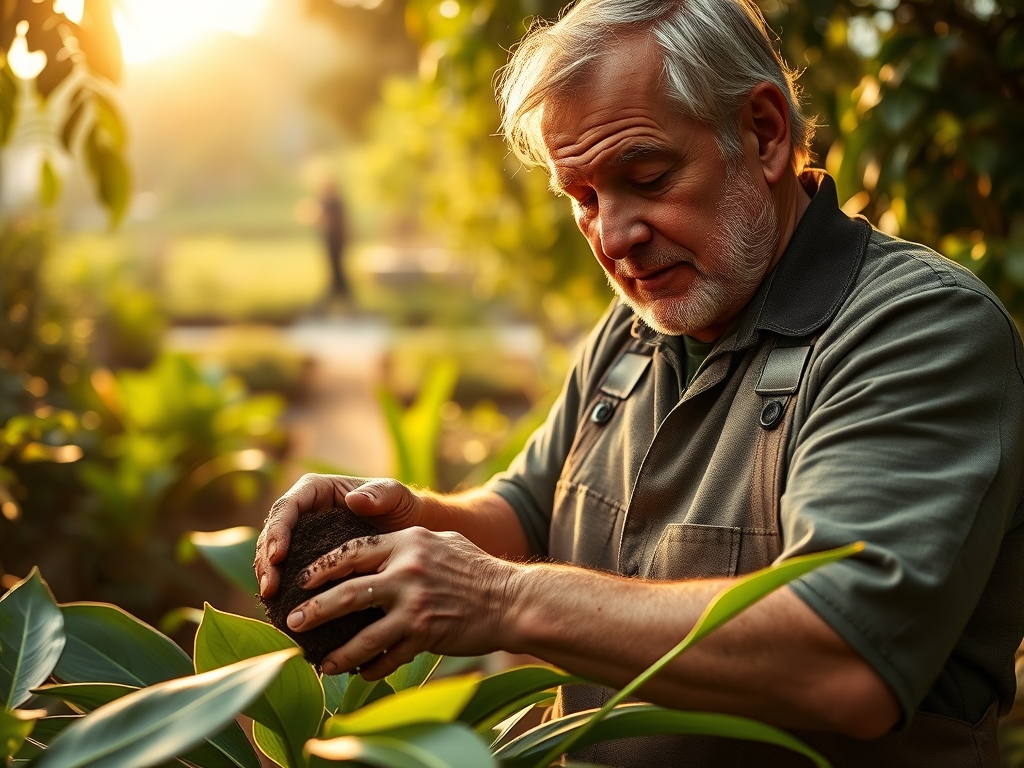
Spathiphyllum is rarely grown from seed in a home setting due to the low viability of the seeds. Instead, use division of the rhizome during the early spring. Use a hori-hori knife to slice through the root mass, ensuring each section has at least two to three leaves and a robust set of roots.
Pro-Tip: Apply a rooting hormone containing Indole-3-butyric acid (IBA) to the cut surfaces. This simulates auxin suppression in the main plant and encourages rapid root initiation in the division by stimulating the pericycle cells.
Transplanting
When the roots begin to circle the interior of the pot, the plant is "pot-bound" and requires a larger vessel. Select a container only 2 inches wider than the current one. Excessive soil volume leads to "perched water tables," where the bottom layer of soil remains saturated, depriving the roots of oxygen.
Pro-Tip: Incorporate mycorrhizal fungi inoculants into the new soil. This creates a symbiotic relationship where the fungi extend the reach of the root system, increasing the surface area for phosphorus absorption by up to 10 times.
Establishing
After transplanting, place the plant in a location with indirect light of 1,000 to 2,500 lux. Direct solar radiation will destroy the chlorophyll molecules within the leaf tissue, leading to solarization or bleaching.
Pro-Tip: Monitor the plant for phototropism, where the leaves lean toward the light source. Rotate the pot 90 degrees every week to ensure even distribution of auxins, which prevents lopsided growth and maintains structural integrity.
The Clinic:
Physiological disorders in Spathiphyllum are often misidentified as pathogens. Use this diagnostic criteria to intervene:
- Symptom: Yellowing of older leaves (Chlorosis).
Solution: This is typically a Nitrogen deficiency. The plant is mobile with Nitrogen, pulling it from old growth to support new leaves. Apply a high-nitrogen liquid feed.
2. Symptom: Brown, "burnt" leaf tips.
Solution: This indicates low humidity or fluoride toxicity. Increase ambient humidity to 50 percent or higher and switch to distilled or rainwater to flush accumulated salts from the substrate.
3. Symptom: Drooping foliage despite wet soil.
Solution: This is Root Rot (Phytophthora). The roots have lost the ability to transport water due to fungal decay. Remove the plant, prune slimy roots with bypass pruners, and repot in sterile, well-draining media.
4. Symptom: Small, distorted new growth.
Solution: This indicates a Calcium or Boron deficiency. These nutrients are immobile and require consistent transpiration to reach new tissue. Check soil pH; if it is below 5.5, Calcium becomes unavailable.
Maintenance:
Precision irrigation is the most critical factor in Spathiphyllum longevity. Use a soil moisture meter to ensure the substrate is dry to a depth of 1.5 inches before re-watering. When irrigating, apply water until it flows freely from the drainage holes to prevent the buildup of mineral salts in the lower third of the pot.
Pruning should be performed with sterilized bypass pruners. Remove spent blooms at the base of the peduncle to prevent the plant from diverting energy into seed production. This process, known as deadheading, redirects metabolic resources back to the rhizome and foliage development. Dust the leaves monthly with a damp cloth; accumulated dust reduces the rate of gas exchange through the stomata and lowers photosynthetic efficiency.
The Yield:
While Spathiphyllum is not an edible crop, the "yield" is measured in the frequency and size of its white spathes. To maximize flowering, provide a "cool period" in the winter where temperatures are maintained at a steady 60 degrees Fahrenheit for six weeks, followed by a transition to brighter light and higher temperatures.
When cutting flowers for indoor display, harvest the spathe just as it begins to unfurl from the spadix. Use a sharp blade to make a clean diagonal cut. Place the stem immediately in 100 degree Fahrenheit water containing a floral preservative to maintain vascular flow and prevent air embolisms in the xylem.
FAQ:
How often should I water my Peace Lily?
Water when the top 1.5 inches of soil feel dry. Use a soil moisture meter to confirm the moisture level at the root zone. Avoid a fixed schedule; environmental factors like humidity and light dictate the actual water demand.
Why are the leaves on my plant turning black?
Blackened leaves usually indicate chilling injury from temperatures below 45 degrees Fahrenheit or severe overwatering leading to root necrosis. Ensure the plant is away from cold drafts and the soil allows for adequate gas exchange.
Does Spathiphyllum need direct sunlight?
No. Direct sunlight causes leaf scorch and destroys chlorophyll. These plants are evolved for low-light understories. They perform best in bright, filtered light or near a north-facing window where they receive indirect solar radiation.
What is the best fertilizer for flowering?
Use a fertilizer with a higher middle number, such as an NPK 15-30-15. This provides the phosphorus necessary for reproductive growth. Apply at half-strength every two weeks during the spring and summer to avoid root burn.