10 Pro Tips How to Grow Crassula Ovata
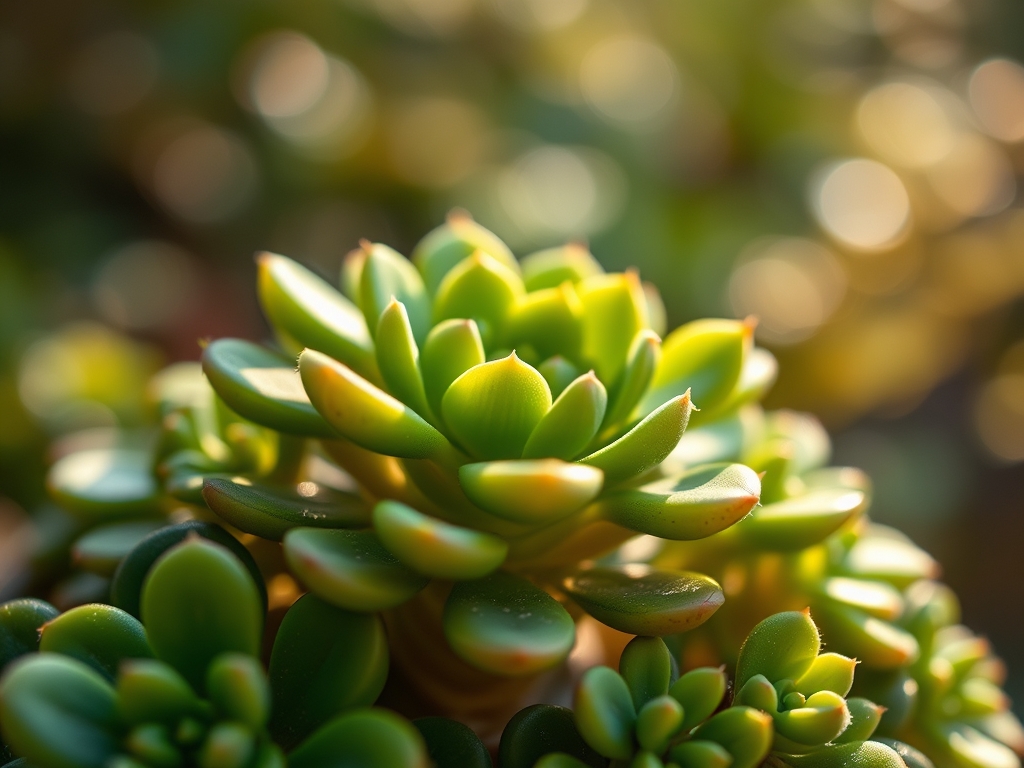
Healthy Crassula ovata tissue feels like cold stone under the fingertips. When you compress a mature leaf, it should resist with a high level of turgor pressure; a sign that the vacuoles are fully hydrated. The scent of a professional greenhouse during a repotting session is dominated by the metallic tang of perlite and the deep, earthy musk of decomposed forest products. Understanding how to grow crassula ovata requires moving past basic houseplant care and into the realm of precise succulent physiology. This species, native to the KwaZulu-Natal and Eastern Cape provinces of South Africa, is a master of water conservation through Crassulacean Acid Metabolism (CAM). By opening its stomata only at night to collect carbon dioxide, the plant minimizes transpirational water loss. Success depends on replicating the arid, mineral-rich environments where these woody succulents thrive. You must manage the balance between light intensity and moisture levels to prevent etiolation while maintaining the structural integrity of the thick, lignified stems.
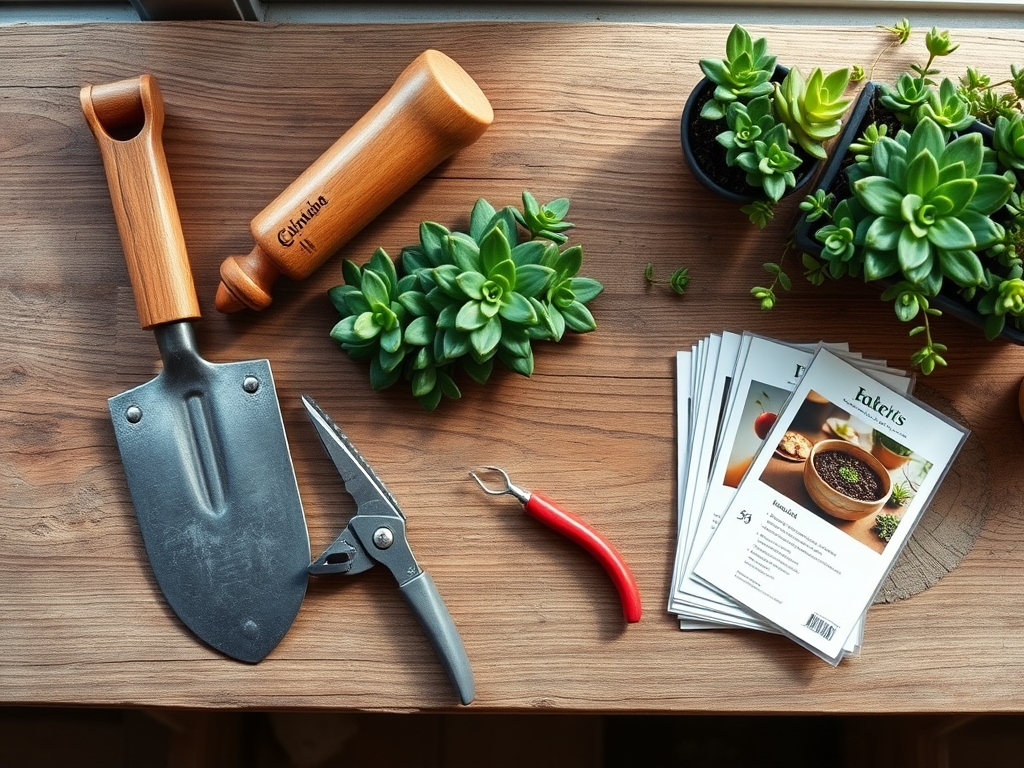
Materials:
The substrate is the most critical component for long term health. Crassula ovata requires a **pH range of 6.0 to 7.0**. The physical texture must be a friable, gritty mix that facilitates rapid drainage. A standard “potting soil” is insufficient; it retains too much moisture in the rhizosphere, leading to anaerobic conditions and root necrosis.
Construct a professional-grade medium using a 1:1:1 ratio of coarse horticultural sand, perlite or pumice, and organic compost. This mixture ensures a high Cation Exchange Capacity (CEC) while maintaining a high percentage of macropores for gas exchange. For fertilization, use a low-nitrogen formula to avoid weak, leggy growth. An NPK ratio of 5-10-10 or 10-20-20 is ideal. High phosphorus and potassium levels support stem lignification and cellular density. Avoid heavy clay soils that compact over time; compaction reduces the available oxygen to the root hairs, effectively suffocating the plant.
Timing:
Crassula ovata is hardy in USDA Zones 10 through 11. In these regions, it can remain outdoors year round. For all other zones, the plant must be moved indoors when ambient temperatures drop below 50 degrees Fahrenheit (10 degrees Celsius). While the plant can survive brief exposures to near-freezing temperatures, the water-filled cells are prone to ice crystal formation, which ruptures cell walls and causes immediate tissue collapse.
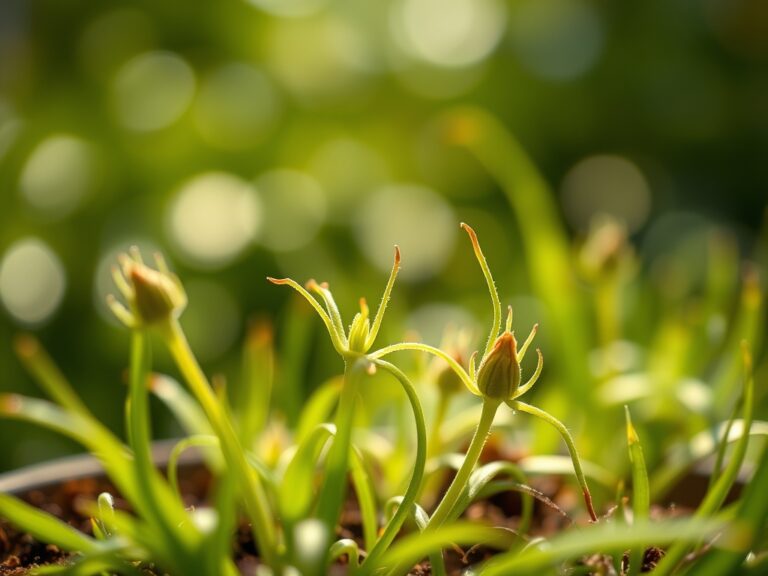
The biological clock of the plant is governed by the photoperiod. To induce flowering, which typically occurs in late winter, the plant requires a period of "short days" (approximately 12 to 14 hours of total darkness) and cooler nighttime temperatures ranging between 50 and 55 degrees Fahrenheit. This environmental stress triggers the transition from the vegetative stage to the reproductive stage. If the plant is kept in a consistently warm, brightly lit room 24 hours a day, it will remain in a perpetual vegetative state and fail to produce its characteristic star-shaped white or pink inflorescences.
Phases:

Sowing and Propagation
While seeds are an option, professional propagation is almost exclusively done via leaf or stem cuttings. For a stem cutting, select a healthy lateral shoot and use sharp bypass pruners to make a clean cut. Allow the wound to callus for 3 to 7 days in a dry, shaded area. This callusing period is vital to prevent opportunistic fungal pathogens from entering the vascular system.
Pro-Tip: Apply a rooting hormone containing Indole-3-butyric acid (IBA) to the callus. This synthetic auxin mimics the plant's natural hormones to stimulate the differentiation of undifferentiated parenchyma cells into adventitious roots.
Transplanting
When the root system has reached the edge of its current container, typically every 2 to 3 years, it is time to transplant. Move the plant into a container only 1 to 2 inches wider than the previous one. Using an oversized pot creates a "perched water table" where the excess soil remains saturated because the root ball cannot reach the water, leading to rot.
Pro-Tip: When repotting, prune back approximately 20 percent of the root mass. This stimulates the growth of new, more efficient root hairs, increasing the plant's ability to uptake minerals through active transport.
Establishing
During the first 4 to 6 weeks after transplanting, the plant is in an establishment phase. It is focusing energy on root development rather than apical growth. Keep the plant in bright, indirect light and withhold fertilizer until you see new leaf development at the terminal buds.
Pro-Tip: Utilize mycorrhizal inoculants during the transplant phase. These beneficial fungi form a symbiotic relationship with the roots, effectively extending the root system's reach and improving the uptake of poorly mobile nutrients like phosphorus.
The Clinic:
Monitoring the physiological state of the plant allows for early intervention. Use a soil moisture meter to verify the moisture levels at the root zone before taking action.
- Symptom: Edema (Small corky bumps on leaf undersides).
- Solution: This is caused by the plant taking up water faster than it can be transpired. Reduce watering frequency and increase air circulation around the foliage to improve the vapor pressure deficit (VPD).
- Symptom: Nitrogen Chlorosis (Uniform yellowing of older leaves).
- Solution: The plant is scavenging nitrogen from old tissue to support new growth. Apply a balanced liquid fertilizer at half strength to restore nitrogen levels in the rhizosphere.
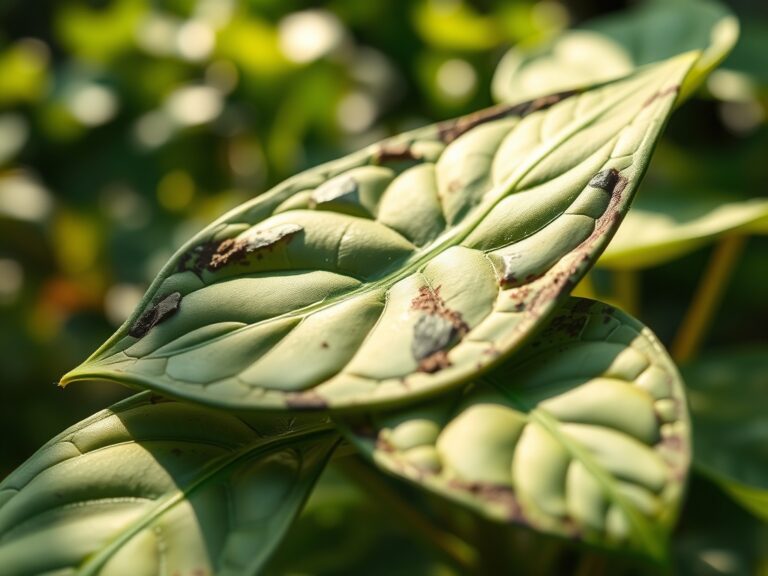
- Symptom: Anthracnose (Dark, sunken necrotic spots).
- Solution: This is a fungal issue often caused by overhead watering. Remove infected leaves with sterilized tools and ensure the foliage remains dry during irrigation.
- Symptom: Etiolation (Stretched stems and pale green leaves).
- Solution: The plant is experiencing a light deficiency. Gradually move the plant to a location receiving at least 6 hours of direct sunlight to stop the elongation of internodes.
Maintenance:
Precision is the difference between a surviving plant and a thriving one. Irrigation should follow the "soak and dry" method. Apply water until it drains freely from the bottom of the pot; then, do not water again until the soil is dry to a depth of 2 inches. In a typical indoor environment, this equates to roughly 0.5 to 1.0 inches of water every 10 to 14 days.
Pruning is essential for maintaining a structurally sound, tree-like form. Use a hori-hori knife or bypass pruners to remove downward-growing branches or to thin out the canopy. Always cut just above a leaf node. This removes apical dominance, forcing the plant to redirect auxins to lateral buds, resulting in a bushier, more compact growth habit. Clean your tools with 70 percent isopropyl alcohol between every cut to prevent the mechanical transmission of pathogens.
The Yield:
While Crassula ovata is primarily ornamental, the "yield" in a horticultural sense is the production of high-quality cuttings for further propagation. To harvest a cutting for "day-one" freshness, ensure the parent plant is fully turgid by watering it 24 hours prior to the cut. This ensures the cutting has maximum water reserves to survive the callusing and rooting process. Store unrooted cuttings in a cool, dark place at approximately 60 degrees Fahrenheit if they cannot be stuck into the medium immediately.
FAQ:
How much light does Crassula ovata need?
Crassula ovata requires a minimum of 6 hours of bright light daily. South-facing windows are ideal. If the leaves develop a red tint on the margins, the plant is receiving optimal light levels and producing protective anthocyanin pigments.
How often should I fertilize my Jade plant?
Apply a low-nitrogen, water-soluble fertilizer once every 4 to 6 weeks during the active growing season (spring and summer). Suspend all fertilization during the winter dormancy period to prevent the buildup of mineral salts in the substrate.
Why are the leaves falling off my Crassula ovata?
Sudden leaf drop is usually a physiological response to extreme temperature fluctuations or overwatering. Check the root system for signs of decay. If the roots are firm and white, adjust the ambient temperature and reduce irrigation frequency immediately.
Can I grow Crassula ovata in a pot without drainage holes?
No. Growing in a container without drainage leads to mineral salt accumulation and root rot. The lack of drainage prevents the flushing of excess salts and creates a saturated environment that kills the aerobic bacteria necessary for a healthy rhizosphere.
How do I make my Jade plant grow a thick trunk?
To encourage secondary thickening of the stem, provide high-intensity light and perform regular "pinching" of the terminal buds. This forces the plant to allocate resources to structural lignification rather than vertical elongation, resulting in a stout, woody trunk.