5 Easy Ways How to Grow Satin Pothos Vines
The scent of damp pine bark and the tactile resistance of a leaf with high turgor pressure define the experience of handling Scindapsus pictus. This plant is not a true pothos; it is a member of the Araceae family that requires specific environmental parameters to thrive. Success depends on understanding the physiological requirements of its silver-variegated foliage. Learning how to grow satin pothos vines requires a mastery of moisture management and light intensity to prevent leaf curl or root rot. By maintaining a consistent rhizosphere temperature and monitoring the cellular hydration of the plant, a grower can ensure rapid internodal elongation. The following technical breakdown provides the data necessary to cultivate this species with professional precision.
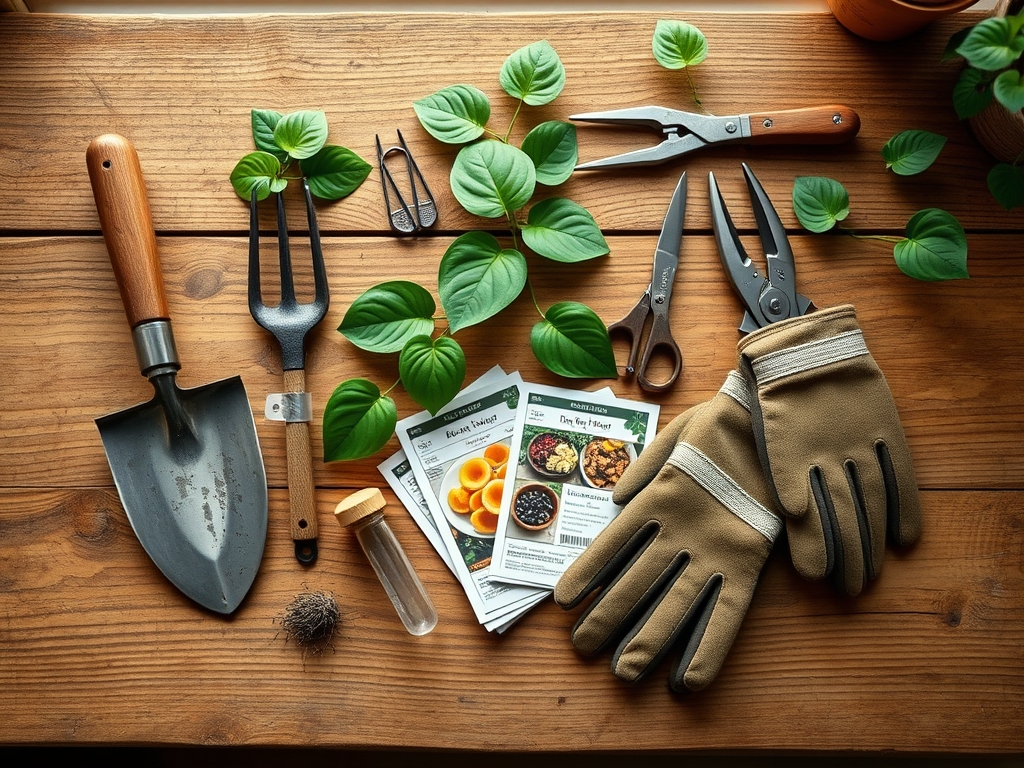
Materials:
The substrate must be a friable loam with high porosity to ensure oxygen reaches the root zone. A standard potting mix is insufficient; you must engineer a medium with a pH between 5.5 and 6.5. This acidity range optimizes the bioavailability of micronutrients. Use a blend consisting of 40 percent orchid bark, 30 percent perlite, and 30 percent coco coir.
Nutrient requirements are specific. During the active growing season, apply a liquid fertilizer with an NPK ratio of 20-10-10 diluted to half strength. This high nitrogen content supports the development of chlorophyll in the non-variegated sections of the leaf. The Cation Exchange Capacity (CEC) of your soil should be moderate to high, allowing the medium to hold onto positively charged ions like potassium and calcium without causing salt buildup that leads to marginal leaf necrosis.
Timing:
Scindapsus pictus is native to Southeast Asia and is hardy only in USDA Zones 10 through 12. In temperate climates, this plant must remain indoors once ambient temperatures drop below 55 degrees Fahrenheit. The biological clock of the satin pothos is governed by the photoperiod. While it does not enter a true dormancy, its metabolic rate slows significantly when daylight hours decrease below 10 hours per day.
The transition from the vegetative stage to a state of slowed growth occurs in late autumn. To align with the plant's natural rhythm, propagation and heavy fertilization should be restricted to the window between the last spring frost and the first autumn frost. During this period, the plant maximizes auxin production, leading to the rapid expansion of its trailing vines.
Phases:

Sowing and Propagation
Satin pothos is rarely grown from seed in a domestic setting; instead, it is propagated via nodal cuttings. Select a healthy vine and use a bypass pruner to cut a section containing at least two nodes. Submerge the bottom node in water or a moist propagation medium.
Pro-Tip: Ensure at least one node is fully submerged to trigger adventitious root development. This occurs because the wounding of the stem tissue redirects auxins to the site, stimulating the differentiation of undifferentiated parenchyma cells into root tissue.
Transplanting
Once the adventitious roots reach a length of 2 inches, transplant the cutting into the engineered friable loam. Use a pot with a diameter no more than 2 inches wider than the root ball. Excessive soil volume leads to "perched water tables," where the bottom of the pot remains anaerobic, suffocating the roots.
Pro-Tip: Dust the root system with mycorrhizal fungi during transplanting. This creates a symbiotic relationship where the fungi extend the reach of the root system, increasing the surface area for phosphorus absorption and water uptake.
Establishing
During the first 21 days after transplanting, keep the substrate consistently moist but not saturated. The plant is establishing its hydraulic system. Avoid moving the pot; the plant is currently optimizing its leaf orientation toward the primary light source.
Pro-Tip: Utilize a moss pole to encourage larger leaf morphology. When the aerial roots of Scindapsus pictus make contact with a moist vertical surface, the plant undergoes negative gravitropism, signaling the specimen to produce larger foliage and thicker stems as it climbs.
The Clinic:
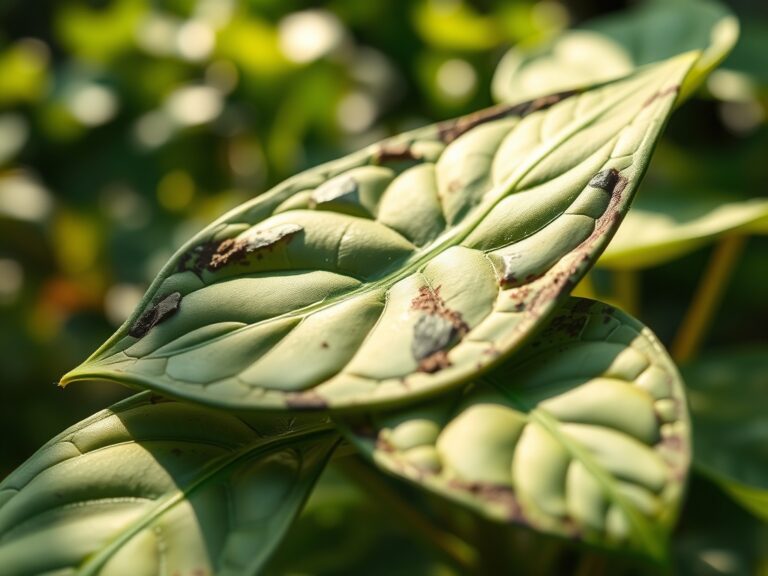
Physiological disorders in Scindapsus pictus often manifest as visual cues in the foliage. Monitoring these symptoms allows for immediate corrective action.
Symptom: Yellowing of older leaves (Chlorosis).
Solution: This typically indicates Nitrogen deficiency. If the soil is not waterlogged, apply a 10-10-10 water-soluble fertilizer. If the soil is wet, the yellowing is likely caused by root senescence due to lack of oxygen.
Symptom: Brown, crispy leaf margins.
Solution: This is a sign of low humidity or salt accumulation. Flush the substrate with distilled water until it runs clear from the drainage holes to lower the Electrical Conductivity (EC) of the soil.
Symptom: Small, stunted new growth.
Solution: This indicates insufficient light or Phosphorus deficiency. Move the plant to a location with 200 to 400 foot-candles of light intensity.
Fix-It for Nitrogen Chlorosis: If the plant shows systemic yellowing, check the pH levels. If the pH is above 7.0, nitrogen is locked out. Lower the pH using an elemental sulfur additive to return it to the 6.0 range.
Maintenance:
Precision maintenance is the difference between survival and vigor. Use a soil moisture meter to verify that the top 2 inches of soil are dry before irrigation. On average, the plant requires approximately 1 cup of water per gallon of soil volume every 7 to 10 days, depending on ambient humidity.
When pruning for length or density, use a sterilized hori-hori knife or sharp shears to make clean cuts just above a node. This removes apical dominance, forcing the plant to activate lateral buds, resulting in a bushier appearance. Clean the leaves monthly with a damp cloth to remove dust, which can block stomata and reduce the efficiency of gas exchange and photosynthesis.
The Yield:
While Scindapsus is not harvested for consumption, the "yield" for a horticulturist is the production of healthy cuttings for expansion. To harvest cuttings, wait until the vine has at least 12 inches of growth. Cut the terminal end, leaving at least four leaves on the parent plant to ensure it maintains enough photosynthetic surface area to recover. For maximum freshness of the cutting, harvest in the early morning when turgor pressure is at its peak.
FAQ:
Why are the leaves on my satin pothos curling?
Leaf curling is a defense mechanism against low turgor pressure. It usually indicates the plant is dehydrated or the ambient humidity is below 40 percent. Check the substrate moisture and increase local humidity to resolve the issue.
How much light does a satin pothos actually need?
These vines thrive in bright, indirect light measuring between 150 and 400 foot-candles. Direct solar radiation will cause photo-oxidation, destroying the silver variegation and scorching the leaf tissue. North or east-facing windows are usually ideal.
Can I grow satin pothos in water permanently?
Yes, Scindapsus can grow in hydroponic conditions. However, the plant must develop specialized "water roots" which are more porous. You must provide a dilute hydroponic nutrient solution to prevent mineral deficiencies over time.
What is the best temperature for Scindapsus pictus?
Maintain a consistent temperature between 65 and 85 degrees Fahrenheit. Temperatures falling below 55 degrees will cause cellular damage and inhibit the transport of nutrients through the vascular system, leading to systemic decline.