6 Basic Steps to Zebra Haworthia Care
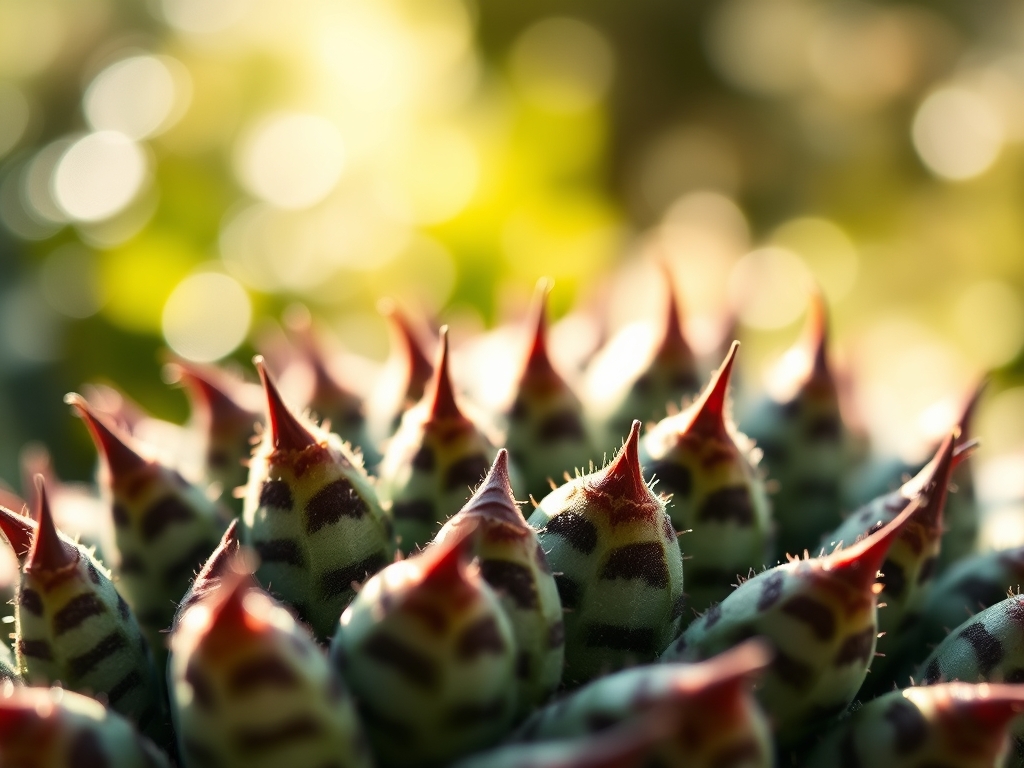
A healthy Haworthiopsis attenuata leaf feels like rigid vulcanized rubber under the thumb. When turgor pressure is optimal, the white tubercular bands provide a tactile grit that signifies a hydrated vascular system. Mastering the steps to zebra haworthia care requires moving beyond casual observation to a disciplined understanding of succulent physiology. Success depends on managing the delicate balance between the rhizosphere and atmospheric humidity. You must respect the plant as a slow growing perennial that thrives on neglect but fails instantly under anaerobic soil conditions. This guide provides the technical framework to sustain these South African natives through every developmental stage.
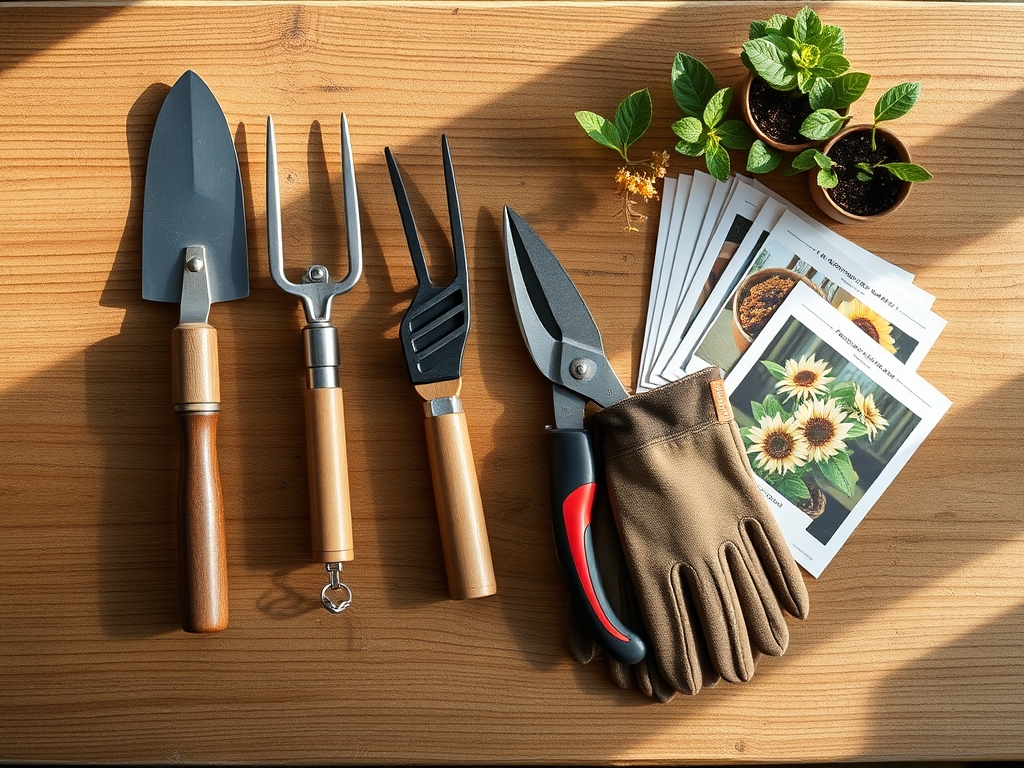
Materials:
Substrate selection is the most critical variable in the steps to zebra haworthia care. The ideal medium is a friable, gritty mix with a pH between 6.0 and 7.0. Standard potting soils contain too much peat, which leads to hydrophobic pockets or excessive moisture retention. Construct a substrate using 40 percent inorganic grit such as pumice or calcined clay; 40 percent coarse sand; and 20 percent organic matter. This composition ensures a high Cation Exchange Capacity (CEC) while maintaining rapid drainage.
For nutritional supplementation, use a low-nitrogen fertilizer. An NPK ratio of 3-1-2 or 1-1-1 is sufficient when diluted to quarter strength. Avoid high nitrogen formulas that cause weak, etiolated growth and reduce the structural integrity of the cell walls. The physical texture should be granular; it must fall apart immediately when squeezed in the hand to prevent root asphyxiation.
Timing:
Haworthiopsis attenuata is hardy in USDA Zones 9b through 11. In cooler climates, the biological clock is dictated by indoor light cycles and ambient temperatures. These plants enter a semi-dormant state during the peak heat of summer and the deep cold of winter. The primary vegetative growth phases occur during the spring and autumn when temperatures fluctuate between 60 and 75 degrees Fahrenheit.
The transition from vegetative to reproductive stages typically occurs in late spring. You will observe the emergence of a long, slender peduncle from the center of the rosette. This signaling is triggered by a lengthening photoperiod. If you intend to repot or propagate, execute these tasks during the onset of the spring growth flush to take advantage of the plant's peak metabolic rate.
Phases:
Sowing and Propagation
Zebra plants are most efficiently propagated via offsets, colloquially known as pups. Use a hori-hori knife to cleanly sever the stolon connecting the offspring to the mother plant. Ensure the offset has reached at least one third the size of the parent to guarantee sufficient carbohydrate reserves for independent survival. Allow the wound to callus for 48 to 72 hours before placing it in dry substrate.
Pro-Tip: The "Biological Why" behind callousing involves the formation of a protective layer of suberin. This fatty acid polymer seals the vascular tissue against opportunistic fungal pathogens that thrive in moist environments.
Transplanting
When moving a Haworthia to a larger vessel, select a pot only one inch wider than the root mass. Excessive soil volume leads to "perched water tables" where the bottom of the pot remains saturated while the surface appears dry. Inspect the roots for a healthy white or light tan color. Dark, mushy roots indicate anaerobic decay.
Pro-Tip: Avoid burying the crown of the plant below the soil line. This prevents moisture from trapped between the lower leaves, which can lead to crown rot via a process of localized humidity buildup that bypasses the plant's natural transpiration cooling.
Establishing
Once transplanted, place the Zebra Haworthia in bright, indirect light. Direct midday sun can cause anthocyanin production; a stress response that turns the leaves a reddish-brown color. Monitor the plant for 14 days before introducing the first irrigation cycle. This allows the root hairs to recover from mechanical micro-trauma.
Pro-Tip: Use a soil moisture meter to verify that the substrate is 100 percent dry before watering. This respects the plant's Crassulacean Acid Metabolism (CAM), where it keeps stomata closed during the day to conserve water and performs gas exchange at night.
The Clinic:
Physiological disorders in Haworthia are usually related to environmental imbalances rather than external pathogens.
- Symptom: Leaf Deflation and Softness.
- Solution: This indicates low turgor pressure. If the soil is bone dry, increase irrigation frequency. If the soil is wet, this is a sign of root loss due to overwatering.
- Symptom: Etiolation (Elongated, Pale Center).
- Solution: The plant is stretching for light. Gradually move the specimen to a location with higher PAR (Photosynthetically Active Radiation) levels over 7 to 10 days.
- Symptom: Nitrogen Chlorosis (Yellowing of older leaves).
- Fix-It: Apply a balanced fertilizer at 25 percent strength. Nitrogen is a mobile nutrient; the plant will scavenge it from older tissues to support new growth if the substrate is depleted.
- Symptom: Leaf Tip Dieback.
- Solution: This is often caused by high salt accumulation from tap water. Flush the pot with distilled water or rainwater to reset the soil salinity.
Maintenance:
Precision is the hallmark of a master horticulturist. For a Zebra Haworthia in a six inch pot, provide approximately 0.5 to 1.0 cup of water every two to three weeks during the active growth season. Do not apply water to the "drip line" as you would with a shrub; instead, water the soil surface directly while keeping the foliage dry.
Use bypass pruners to remove spent flower stalks or dead lower leaves once they have reached complete senescence. This prevents the accumulation of organic debris that can harbor detritivores. Every six months, use a soft brush to remove dust from the leaves. Dust blocks the stomata and reduces photosynthetic efficiency by reflecting light. If you suspect compaction, use a thin wooden dowel to gently aerate the substrate without severing the primary taproots.
The Yield:
While Zebra Haworthia is not a crop plant, the "yield" is measured in the production of offsets and the maintenance of architectural symmetry. To harvest offsets for gifting or expansion, wait until the daughter plant has developed its own independent root system. Once removed, treat the parent plant with a light dusting of sulfur powder on the wound to act as a desiccant and antifungal agent. This ensures the parent remains "day-one" fresh and continues its reproductive cycle without interruption.
FAQ:
How often should I water my Zebra Haworthia?
Water only when the substrate is completely dry from top to bottom. In typical indoor conditions, this occurs every 14 to 21 days. Use a moisture meter to confirm the absence of water at the root zone before irrigating.
What is the best light for Haworthiopsis attenuata?
These plants require bright, indirect light. Aim for 2,000 to 3,000 foot-candles. Avoid direct afternoon sun, which can cause thermal stress and leaf bleaching. An east or west facing window is usually optimal for consistent growth.
Why are the tips of my Haworthia turning brown?
Brown tips typically indicate low humidity or salt buildup in the soil. If the air is extremely dry, or if you use softened water, the plant suffers from tip desiccation. Flush the soil with rainwater to remove excess minerals.
Does Zebra Haworthia need a large pot?
No. Haworthia have shallow root systems and prefer confinement. A pot that is too large holds excess moisture, increasing the risk of root rot. Repot only when the offsets have completely filled the surface area of the current container.