6 Simple Steps to Care for Pothos NJoy
The scent of damp, well-aerated humus signifies a healthy rhizosphere. When you compress a leaf of Epipremnum aureum 'N'Joy' between your fingers, the resistance you feel is turgor pressure; it is the physical manifestation of cellular hydration and osmotic balance. Mastering the steps to care for pothos njoy requires moving beyond basic watering schedules. You must manage light intensity to maintain the high-contrast variegation and monitor the Cation Exchange Capacity (CEC) of the growing medium to ensure nutrient bioavailability.
This cultivar differs from the standard Golden Pothos due to its smaller leaf size and concentrated white sectoral variegation. These white patches lack chlorophyll; therefore, the plant possesses less photosynthetic surface area. This biological reality dictates every aspect of its cultivation. Success depends on balancing the light-to-water ratio to prevent leaf senescence while maintaining a consistent ambient temperature. Understanding the physiological needs of this tropical aroid ensures the plant thrives rather than merely survives.
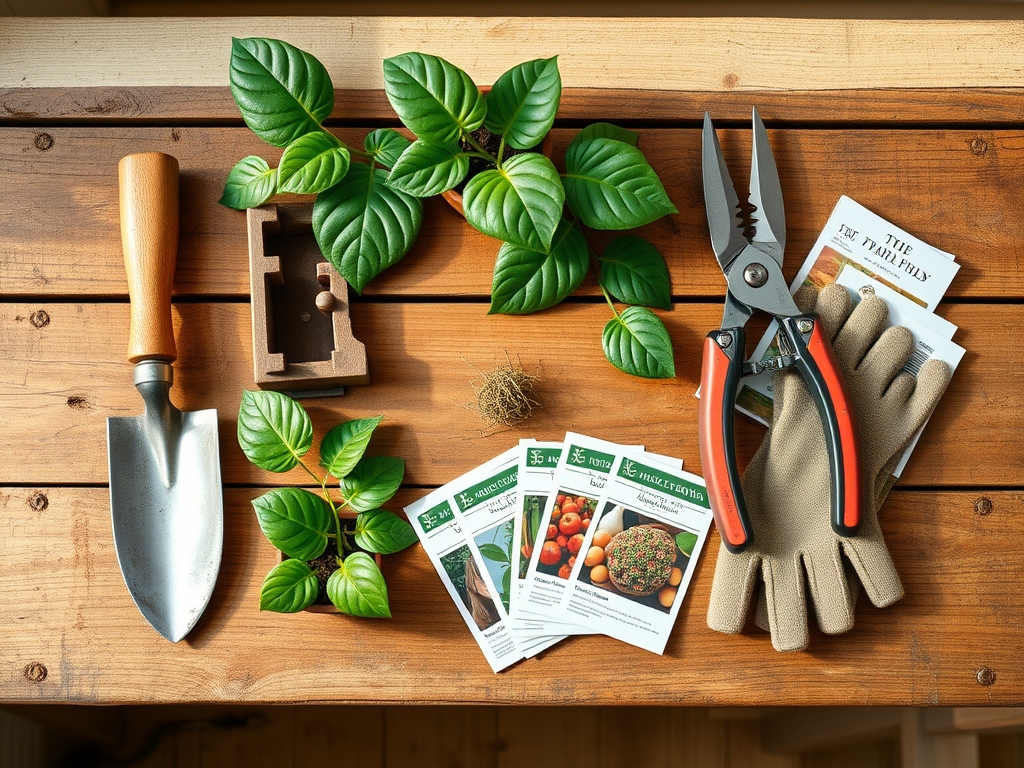
Materials:
The foundation of a healthy N’Joy is a substrate with a **pH between 6.1 and 6.5**. This slightly acidic range optimizes the solubility of micronutrients. Use a friable loam composed of 40 percent peat moss or coconut coir; 30 percent perlite for macropore space; and 30 percent pine bark to facilitate drainage.
For fertilization, utilize a water-soluble NPK ratio of 20-10-20 or 20-20-20. The nitrogen (N) must be sufficient to support vegetative growth, but excessive nitrogen can lead to "reversion," where the plant produces more chlorophyll and loses its white variegation. The potting mix should have a high CEC to retain essential ions like potassium (K+) and magnesium (Mg2+). Ensure your containers have unobstructed drainage holes to prevent anaerobic conditions in the root zone.
Timing:
Pothos N'Joy is a tropical perennial suited for USDA Hardiness Zones 10 through 12. In these regions, it can persist outdoors year-round. In all other zones, it must be treated as an indoor specimen when temperatures drop below 55 degrees Fahrenheit (13 degrees Celsius). Exposure to temperatures below 50 degrees Fahrenheit triggers cellular crystallization and immediate tissue death.
The biological clock of the N'Joy is governed by the photoperiod. During the active growing season (spring and summer), the plant experiences a rapid vegetative phase. As light duration decreases in autumn, the plant enters a semi-dormant state. Metabolic processes slow down; during this period, reduce fertilizer application to zero and decrease irrigation frequency by 50 percent. This rest period is vital for the plant to consolidate energy for the next growth surge.
Phases:

Sowing and Propagation
Commercial N'Joy is rarely grown from seed; instead, use vegetative propagation. Select a healthy vine and cut a section containing at least one node using a sterilized blade. Place the node in a medium of perlite and vermiculite. Maintain a consistent temperature of 72 to 75 degrees Fahrenheit.
Pro-Tip: Ensure the node is fully submerged or in contact with the moist medium. This triggers adventitious root formation through the concentration of auxins at the cut site. Auxins are hormones that migrate to the base of the cutting to stimulate cell differentiation into root tissue.
Transplanting
Transplant the rooted cuttings once the secondary root system reaches 2 inches in length. Use a 4-inch or 6-inch pot to prevent "over-potting," which leads to perched water tables and root rot. Gently spread the roots to avoid circling, which can lead to self-girdling as the plant matures.
Pro-Tip: When transplanting, incorporate a small amount of mycorrhizal fungi into the root zone. This creates a mycorrhizal symbiosis where the fungi extend the root's reach for phosphorus uptake in exchange for plant carbohydrates.
Establishing
During the first 21 days after transplanting, the plant focuses on root establishment over leaf production. Keep the substrate consistently moist but not saturated. Provide bright, indirect light measuring 150 to 250 foot-candles. Avoid direct solar radiation, which can cause photo-oxidation of the delicate white leaf tissues.
Pro-Tip: Do not prune the plant during the establishment phase. Maintaining the existing leaf area is critical for photosynthate production, which fuels the energy-intensive process of root expansion into the new substrate.
The Clinic:
Monitoring the physiological state of your N'Joy allows for early intervention.
- Symptom: Interveinal Chlorosis (Yellowing between green veins).
- Solution: This typically indicates a Magnesium deficiency. Apply a solution of 1 teaspoon of Epsom salts (magnesium sulfate) per gallon of water.
- Symptom: Brown, crispy leaf margins on white sections.
- Solution: This is often caused by low humidity (below 40 percent) or tap water high in fluoride and chlorine. Switch to distilled water or rainwater and maintain humidity levels between 50 and 60 percent.
- Symptom: Soft, blackened stems at the soil line.
- Solution: This is Pythium root rot caused by over-saturation. Remove the plant, excise necrotic (dead) tissue with a hori-hori knife, and repot in fresh, sterile media.
- Symptom: Loss of variegation (leaves turning solid green).
- Solution: This is a response to low light. The plant is increasing its chlorophyll density to survive. Move the plant to a location with higher luminous flux.
Fix-It for Nitrogen Chlorosis: If older leaves turn a uniform pale yellow, the plant is scavenging nitrogen from old tissue to support new growth. Apply a high-nitrogen liquid fertilizer at half-strength to immediately boost nitrate levels in the rhizosphere.
Maintenance:
Precision is required for long-term health. Use a soil moisture meter to verify that the top 2 inches of soil are dry before adding water. For a standard 6-inch pot, apply approximately 12 to 16 ounces of water, ensuring it flows freely from the drainage holes to flush out accumulated salts.
Prune the plant twice a year using bypass pruners to maintain a compact shape. Make cuts 0.25 inches above a node. This removes apical dominance, allowing lateral buds to break and creating a bushier appearance. Every 30 days, wipe the leaves with a damp cloth to remove dust; dust accumulation reduces the photon absorption rate and clogs the stomata, hindering gas exchange.
The Yield:
While N'Joy is not an edible crop, the "yield" is measured in healthy, variegated foliage and successful propagations. For the best aesthetic results, harvest cuttings for new plants in late spring. Use a sharp, sterilized tool to ensure a clean cut that heals quickly. To maintain "day-one" freshness for cuttings intended for gifting or water-rooting, immediately submerge the cut end in room-temperature water to prevent an air embolism in the xylem.
FAQ:
How much light does Pothos N'Joy need?
It requires bright, indirect light between 150 and 250 foot-candles. Avoid direct sun, which burns the non-chlorophyllous white patches. Insufficient light causes the plant to revert to solid green to maximize photosynthesis.
Why are the leaves on my N'Joy so small?
Small leaves are a genetic trait of the N'Joy cultivar. However, stunted growth may indicate a lack of nutrients or the need for a climbing support. Providing a moss pole allows aerial roots to attach, signaling the plant to increase leaf size.
How often should I fertilize?
Apply a balanced NPK 20-20-20 fertilizer every 4 to 6 weeks during the spring and summer. Cease all fertilization during the winter months when the plant's metabolic rate slows and nutrient demand drops significantly.
Can Pothos N'Joy grow in water indefinitely?
Yes, but the transition from water to soil is difficult due to the different morphology of "water roots." For long-term water culture, add a diluted hydroponic nutrient solution to prevent mineral deficiencies and change the water weekly to maintain oxygen levels.