7 Best Marble Queen Pothos Care Tips
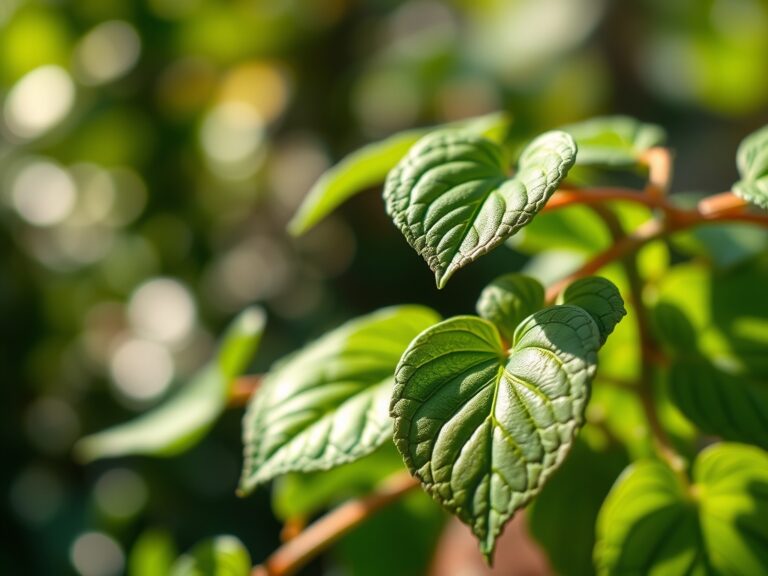
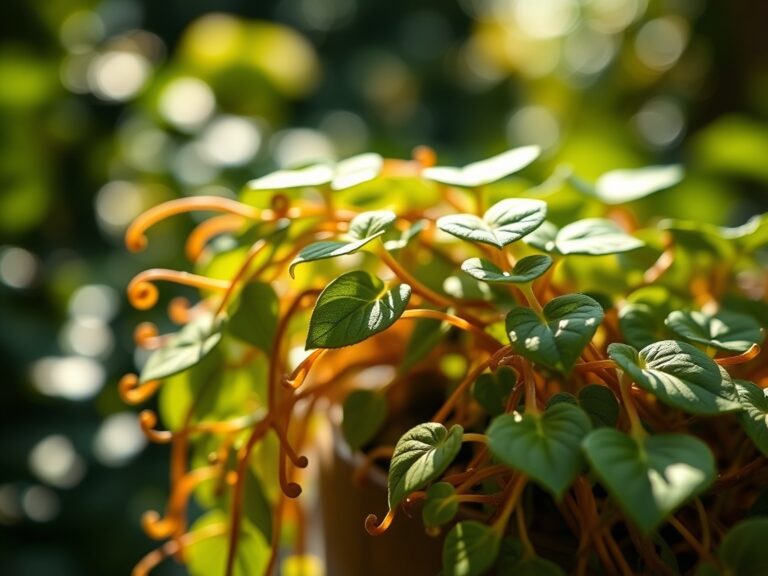
The variegated leaves of Epipremnum aureum 'Marble Queen' cascade from their hanging basket, white marbling stark against deep green. This cultivar demands precision in environmental control to maintain its chimeric tissue expression. The best marble queen pothos care begins with understanding that higher white variegation means reduced chlorophyll content, requiring adjusted light intensity and nutrient delivery compared to fully green pothos varieties.
Materials
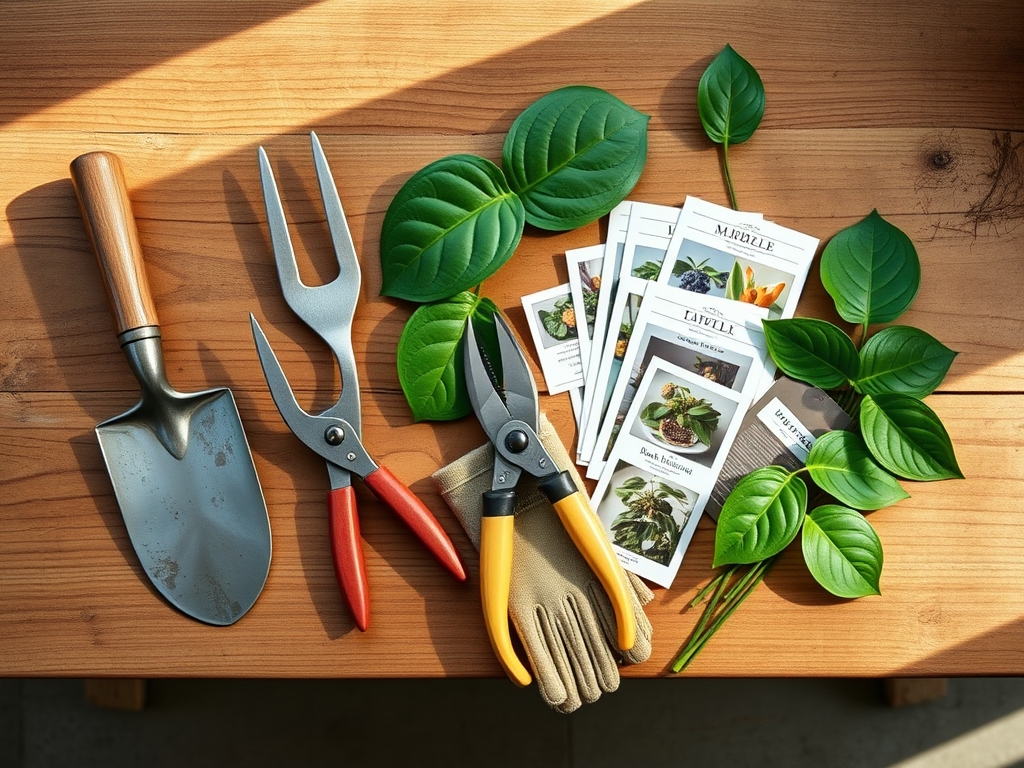
The substrate must provide superior drainage while maintaining cation exchange capacity. A blend of 40% peat moss or coir (pH 5.5-6.5), 30% perlite, 20% orchid bark, and 10% worm castings creates optimal conditions. Incorporate a balanced slow-release fertilizer at 10-10-10 NPK ratio for establishment, transitioning to 3-1-2 formulation during active growth to prevent excessive nitrogen that promotes reversion to solid green foliage.
Containers require drainage holes with minimum 6-inch diameter for juvenile plants. Terra cotta provides breathability but demands more frequent irrigation. Glazed ceramic or plastic retains moisture longer, suitable for growers who travel frequently. The potting pH should stabilize between 6.0 and 6.5, verified with a calibrated soil probe monthly.
Calcium and magnesium availability directly influences cell wall integrity in the white sectors. Dolomitic limestone at 1 tablespoon per gallon of mix provides slow-release supplementation. Mycorrhizal fungi inoculation at transplanting enhances phosphorus uptake, critical for variegation stability under moderate light conditions.
Timing
Marble Queen pothos thrives year-round as a tropical houseplant in USDA Hardiness Zones 10-12 outdoors. Indoor cultivation extends viability to all zones with temperature control. Active growth occurs when ambient temperatures stabilize between 65-85°F, typically March through September in temperate regions.
Propagation timing aligns with increasing day length. Stem cuttings root fastest when taken between April and July, capitalizing on elevated auxin production during long photoperiods. Outdoor transition requires all frost danger to pass, with nighttime lows consistently above 55°F for minimum two weeks.
Winter dormancy reduces metabolic demand. Fertilization pauses from November through February in northern latitudes. Growth slows when day length drops below 10 hours, regardless of supplemental lighting intensity.
Phases

Propagation Phase: Select stem sections with at least two nodes and one aerial root primordium visible. Cut 0.25 inches below the node using sterilized shears at a 45-degree angle to maximize rooting surface area. Rooting hormone containing 0.3% indole-3-butyric acid (IBA) accelerates adventitious root development.
Submerge nodes in dechlorinated water or insert directly into moistened propagation mix. Water propagation allows root monitoring but requires transition acclimation. Soil propagation eliminates transplant shock. Maintain 70-75°F substrate temperature with humidity above 60% for 14-21 days until roots reach 2-3 inches.
Pro-Tip: Nodes with higher green pigmentation root 30% faster than heavily white-variegated sections due to increased carbohydrate reserves.
Transplanting Phase: Move rooted cuttings when root systems fill their current container, visible through drainage holes or by gentle extraction. Spring transplanting allows full growing season establishment. Size up only one container increment, typically 2 inches in diameter.
Water thoroughly 24 hours before transplanting to reduce root trauma. Position the plant at identical depth to prevent stem rot or exposure of feeder roots. Firm substrate around roots to eliminate air pockets without compacting. Water with diluted seaweed extract solution (1 tablespoon per gallon) to stimulate root growth through natural cytokinins.
Pro-Tip: Transplant shock manifests as temporary leaf droop. Reduce light intensity by 30% for five days post-transplant to minimize transpiration demand while roots establish.
Establishment Phase: Training begins immediately. Pothos grows as a climbing vine in nature, using aerial roots for attachment. Provide a moss pole, coir stake, or trellis for upward growth that produces larger leaves. Horizontal growth without support yields smaller, juvenile foliage.
Prune strategically to encourage bushier growth. Cut stems just above a node at the same 45-degree angle, stimulating two new growth points from axillary buds. Remove any fully green reversions immediately at their point of origin to preserve variegation genetics.
Pro-Tip: Misting aerial roots encourages attachment to supports, activating growth hormones that trigger larger leaf production once established.
Troubleshooting
Symptom: Yellow leaves with brown crispy edges, starting with older foliage.
Solution: Classic underwatering. The top 2 inches of substrate should dry between watering events, but never the entire root ball. Increase frequency without increasing volume per application.
Symptom: Black, mushy stem bases with yellow leaves throughout the plant.
Solution: Root rot from overwatering or poor drainage. Remove from substrate, trim all brown or black roots with sterilized tools. Repot in fresh, well-draining mix. Reduce watering frequency by 40%.
Symptom: Solid green leaves replacing variegated growth.
Solution: Insufficient light intensity. Marble Queen requires 200-400 foot-candles (bright indirect light). Move closer to east or west windows, or supplement with full-spectrum LED grow lights positioned 12-18 inches from foliage for 12-14 hours daily.
Symptom: Sticky residue on leaves with visible brown bumps along stems.
Solution: Scale insect infestation. Isolate plant immediately. Apply horticultural oil at 2% dilution (2.5 tablespoons per quart water), coating all surfaces thoroughly. Repeat every 7 days for three applications to disrupt the life cycle.
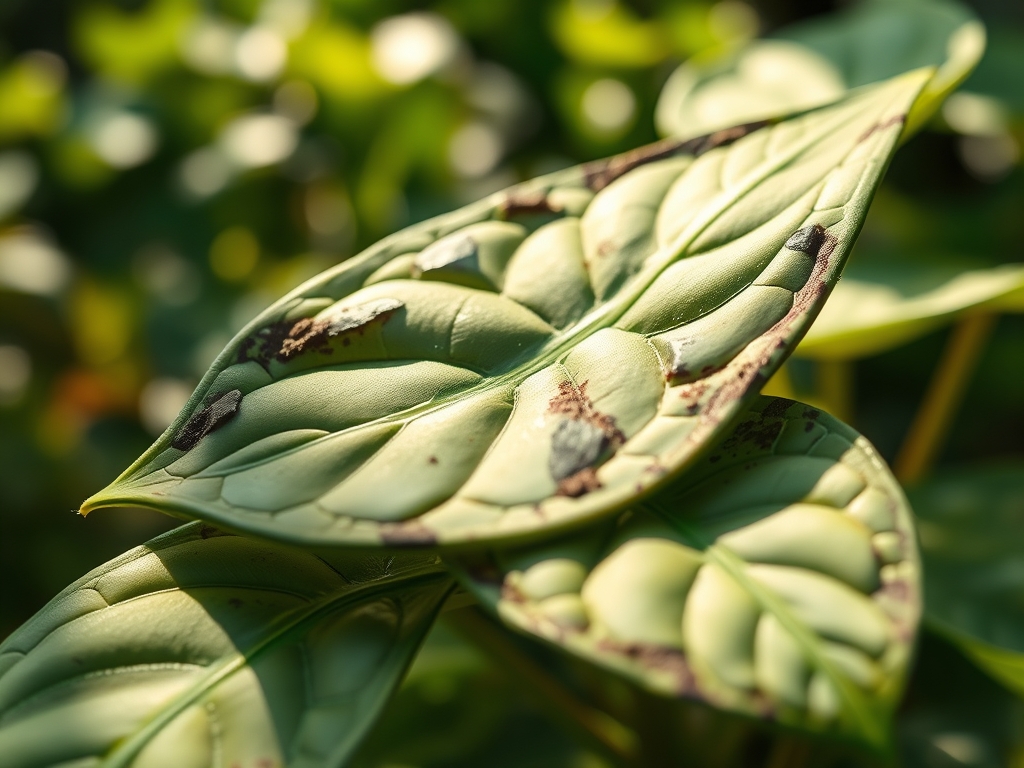
Symptom: White variegated sections turning brown and crispy.
Solution: Light intensity exceeds chlorophyll capacity in white tissue. Direct sun causes cellular damage. Reduce light levels or increase distance from light source. White sectors tolerate less radiation than green.
Maintenance
Irrigation requirements follow substrate dryness rather than calendar scheduling. Check moisture 2 inches deep with a finger or moisture meter. Water when readings drop to 3-4 on a 10-point scale. Deliver water until it drains from bottom holes, typically 0.25-0.5 gallons per 6-inch pot. Discard drainage within 30 minutes.
Fertilize every 14 days during active growth with balanced liquid formula at half manufacturer strength. A 3-1-2 NPK ratio prevents nitrogen excess. Flush substrate with plain water monthly to prevent salt accumulation that damages roots.
Wipe leaves monthly with damp cloth to remove dust that blocks stomata. This improves gas exchange and photosynthetic efficiency. Rotate containers 90 degrees weekly for even light distribution and balanced growth.
Prune 3-4 times annually to control size and shape. Cuttings become new plants rather than waste. Remove yellow or damaged leaves at the petiole junction to redirect resources.
Repot every 18-24 months when root-bound. Mature plants tolerate slightly crowded roots but suffer when roots circle excessively or emerge from drainage holes.
FAQ
How often should I water Marble Queen pothos?
Water when the top 2 inches of substrate feel dry to touch, typically every 7-10 days in average home conditions. Frequency varies with temperature, humidity, and container material.
Why is my Marble Queen losing variegation?
Insufficient light causes chlorophyll increase to maximize photosynthesis. Provide bright indirect light at 200-400 foot-candles. Prune green reversions immediately to prevent genetic takeover.
Can Marble Queen pothos tolerate low light?
The plant survives in 50-100 foot-candles but loses variegation and produces smaller leaves with elongated internodes. Minimum 150 foot-candles maintains acceptable appearance.
What causes brown leaf tips on Marble Queen?
Fluoride or chlorine in tap water, low humidity below 40%, or fertilizer salt buildup. Use filtered water, increase ambient humidity, and flush substrate monthly.
Is Marble Queen pothos toxic?
Yes. All Epipremnum aureum cultivars contain calcium oxalate crystals causing oral irritation, excessive drooling, and vomiting in pets and humans if ingested. Position away from children and animals.