7 Best Peace Lily Bloom Tips for Success
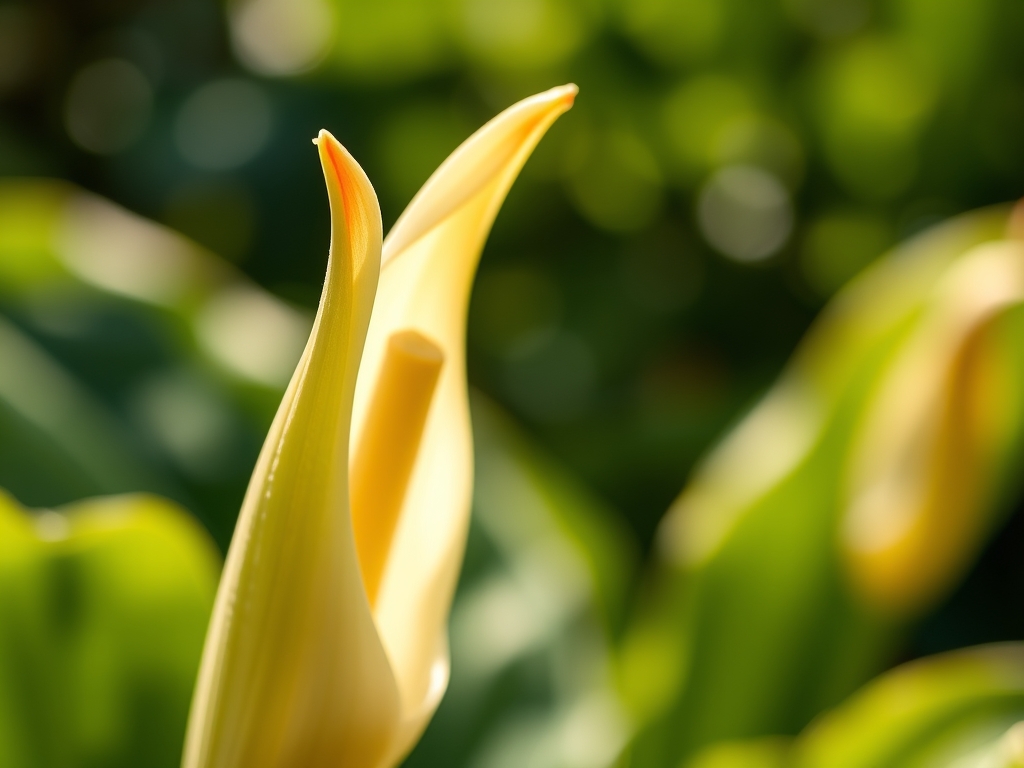
The smell of damp peat and the crisp snap of a leaf with high turgor pressure define a healthy Spathiphyllum environment. Achieving consistent flowering requires more than casual watering; it demands an understanding of the plant's physiological triggers. To implement the best peace lily bloom tips, a grower must manipulate light intensity and nutrient availability to transition the plant from vegetative growth to reproductive development. Success is measured by the emergence of the white spathe and spadix.
Materials:
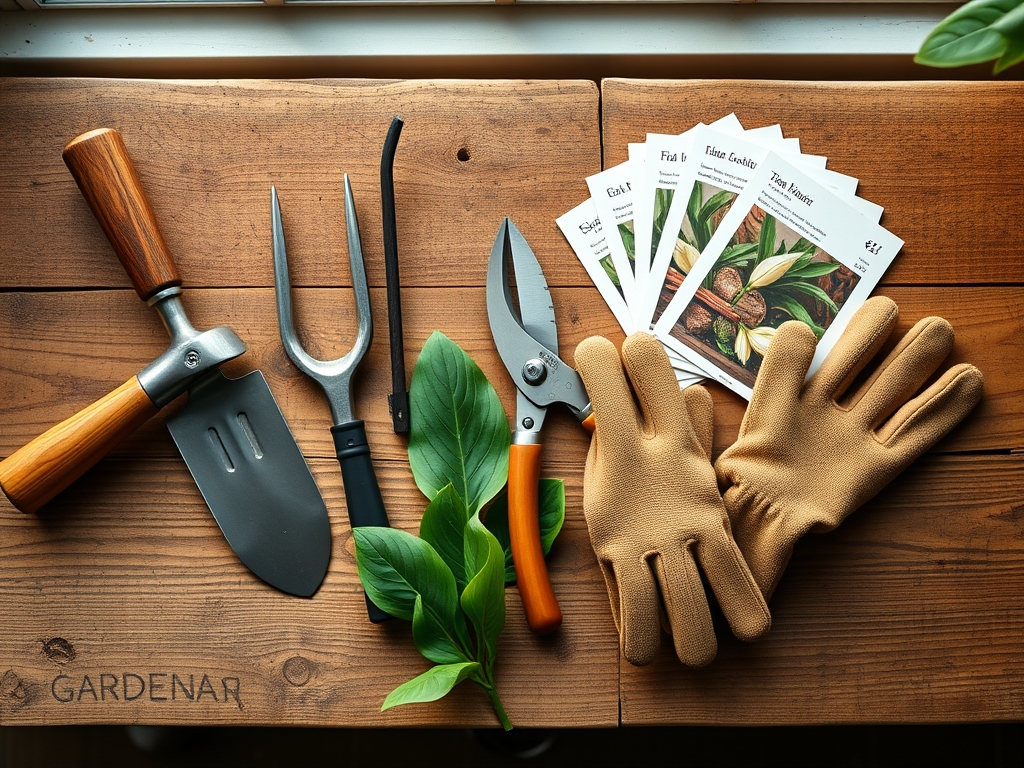
The foundation of a blooming Spathiphyllum is a substrate with a high Cation Exchange Capacity (CEC). Use a friable loam mixture consisting of 60 percent peat moss or coconut coir, 20 percent perlite for aeration, and 20 percent pine bark. This ensures a **pH level between 5.8 and 6.5**, which is the optimal range for micronutrient solubility.
For fertilization, select a water-soluble formula with an NPK ratio of 20-20-20 during the vegetative phase. As you transition to the blooming phase, switch to a high-phosphorus "bloom booster" with a ratio such as 10-30-20. Phosphorus is the primary driver of ATP production and floral initiation. Ensure the potting medium remains porous to prevent anaerobic conditions in the rhizosphere.
Timing:
Peace lilies are tropical perennials typically hardy in USDA Zones 10 through 12. In these regions, they can remain outdoors year-round. For indoor growers in cooler zones, the biological clock is governed by temperature and light duration. The plant enters its primary reproductive stage in late spring as daylight exceeds 12 hours per day.
To force a bloom, maintain a consistent ambient temperature between 68 and 85 degrees Fahrenheit. If temperatures drop below 55 degrees Fahrenheit, the plant enters a semi-dormant state where metabolic processes slow and floral induction ceases. Avoid placing the plant near drafty windows during the winter months to prevent cold-induced senescence of the foliage.
Phases:
Sowing and Propagation
Spathiphyllum is rarely grown from seed in a domestic setting due to low viability rates. Instead, propagate by rhizome division during the early spring. Use a hori-hori knife to slice through the root mass, ensuring each section has at least two to three leaves and a healthy portion of the root system.
Pro-Tip: Dust the cut surfaces of the rhizome with a fungicidal powder. This prevents the entry of pathogens into the vascular system while the plant recovers from the mechanical stress of division.
Transplanting
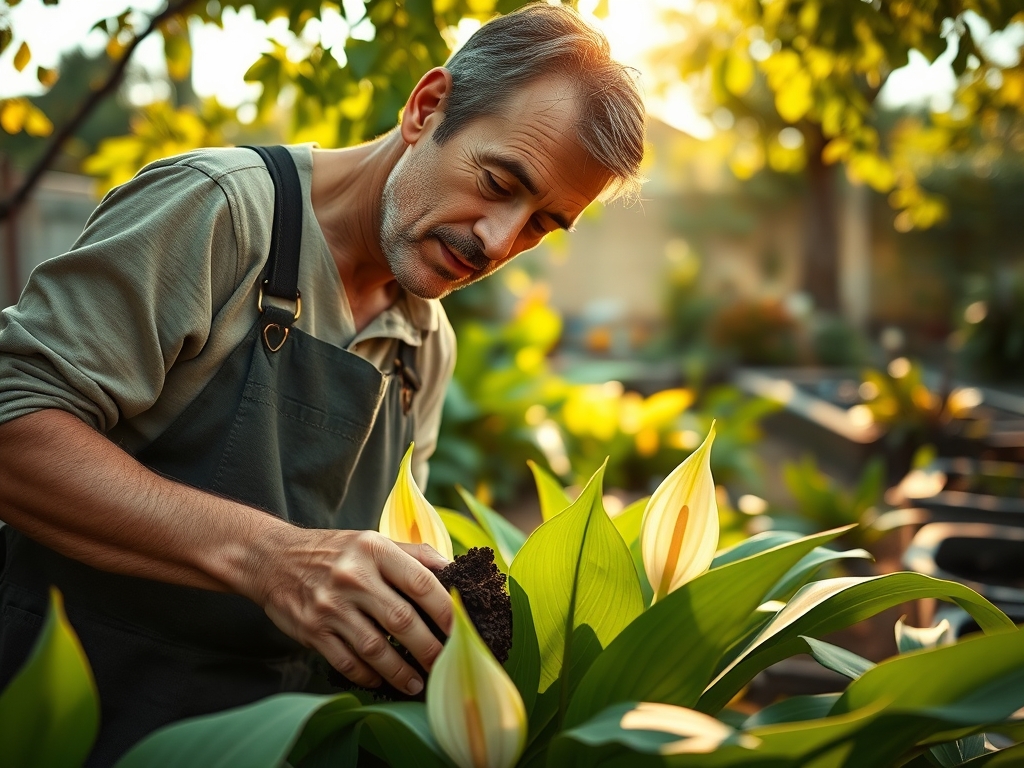
Move the divisions into pots that are only 1 to 2 inches wider than the root ball. Peace lilies often bloom more readily when slightly root-bound, a physiological response to restricted space that triggers reproductive survival mechanisms. Ensure the crown of the plant sits exactly at the soil line to prevent crown rot.
Pro-Tip: Incorporate a handful of worm castings into the new pot to introduce beneficial microbes. Mycorrhizal symbiosis enhances nutrient uptake by extending the reach of the root hairs into the microscopic pores of the substrate.
Establishing
During the first six weeks post-transplant, maintain high humidity levels above 60 percent. Use a soil moisture meter to ensure the substrate remains consistently moist but not saturated. The plant is establishing its root architecture during this phase; avoid heavy fertilization until new foliar growth is visible.
Pro-Tip: Place the plant in a location with bright, filtered light. This maximizes photosynthesis without causing leaf scorch. Sufficient light is the most critical factor for auxin suppression, allowing the plant to redirect energy from vertical growth to flower production.
The Clinic:
Physiological disorders often manifest as visible changes in the foliage or a lack of flowering.
- Symptom: Yellowing of older leaves (Chlorosis).
- Solution: This typically indicates a Nitrogen deficiency. Apply a balanced liquid fertilizer at half strength to restore chlorophyll production.
- Symptom: Brown, crispy leaf tips.
- Solution: This is often caused by fluoride toxicity or low humidity. Switch to distilled water or rainwater and increase local humidity to above 50 percent.
- Symptom: Weak, drooping leaves despite wet soil.
- Solution: This indicates root rot (Pythium). Remove the plant from the pot, prune away blackened roots with bypass pruners, and repot in fresh, sterile medium.
- Symptom: Green flowers instead of white.
- Solution: This is a sign of over-fertilization, particularly too much nitrogen late in the bloom cycle. Flush the soil with clear water to leach out excess salts.
Maintenance:
Precision is required for long-term health. Provide approximately 1.5 inches of water per week, distributed evenly across the soil surface. Do not water on a strict schedule; instead, use a soil moisture meter to verify that the top inch of soil has dried before rehydrating.
Use bypass pruners to remove spent blooms at the base of the peduncle. This prevents the plant from wasting energy on seed production and encourages a second flush of flowers. Every three months, wipe the leaves with a damp cloth to remove dust. Dust accumulation reduces the rate of photosynthesis by blocking the stomata, which directly impacts the energy available for blooming.
The Yield:
While not an edible crop, the "yield" of a peace lily is its aesthetic and air-purifying value. A single healthy plant can produce 5 to 10 blooms simultaneously under optimal conditions. If you wish to use the flowers in a floral arrangement, cut the stalk when the spathe is fully white and the spadix is firm.
To maintain "day-one" freshness in a vase, recut the stem at a 45-degree angle under water to prevent air embolisms in the xylem. Change the water every 48 hours and keep the arrangement away from ripening fruit, as ethylene gas accelerates the senescence of the spathe.
FAQ:
Why is my peace lily not blooming?
The most common cause is insufficient light. While they tolerate low light, they require bright, indirect light to trigger the reproductive phase. Ensure the plant receives at least 10 to 12 hours of filtered sunlight daily.
How often should I fertilize for flowers?
Apply a high-phosphorus fertilizer every six weeks during the growing season (spring through fall). Dilute the fertilizer to half the recommended strength to avoid salt buildup in the rhizosphere, which can damage sensitive root hairs.
Can I use tap water for my peace lily?
Tap water often contains chlorine and fluoride, which cause tip necrosis. Use distilled water, rainwater, or filtered water. If using tap water, let it sit for 24 hours to allow chlorine to dissipate before application.
What is the best temperature for blooming?
Maintain a consistent range between 70 and 80 degrees Fahrenheit. Avoid fluctuations. Temperatures below 60 degrees Fahrenheit can stall growth and prevent the development of the flower spike, while excessive heat causes rapid wilting and stress.
How do I know if my plant is root-bound?
Check for roots protruding from the drainage holes or circling the surface of the soil. If the plant requires water more than twice a week, the root-to-soil ratio is likely too high, necessitating a larger container.