8 Best Cebu Blue Pothos Tips for Vining
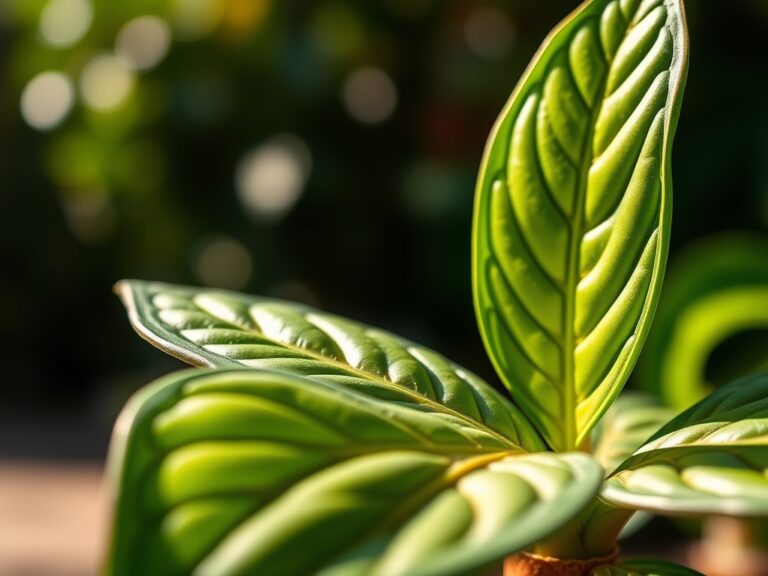
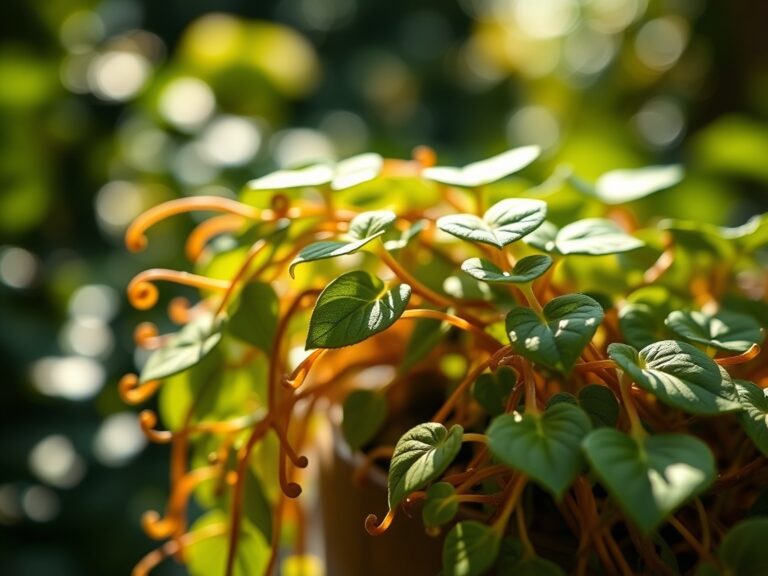
The metallic scent of wet perlite and the distinct, earthy aroma of humic acid signal a healthy growing environment. When you press a leaf of Epipremnum pinnatum Cebu Blue between your fingers, the turgor pressure should feel firm; a sign that the vascular system is fully hydrated and the xylem is transporting water efficiently. Achieving massive, fenestrated leaves requires more than casual care. Integrating the best cebu blue pothos tips into your routine means mastering the interplay between light intensity and nutrient availability. This cultivar is unique for its glaucous, silvery-blue sheen, a result of specialized wax layers that reflect specific light wavelengths. To transition this plant from a juvenile trailer to a mature climber, you must replicate the high-humidity, high-light conditions of its native Philippine archipelago. Success is measured in internodal spacing and leaf surface area. If your nodes are stretching beyond three inches, the plant is scavenging for photons. You must intervene with structural support and precise chemical inputs to force the morphological shift from the terrestrial creeping phase to the vertical epiphytic phase.
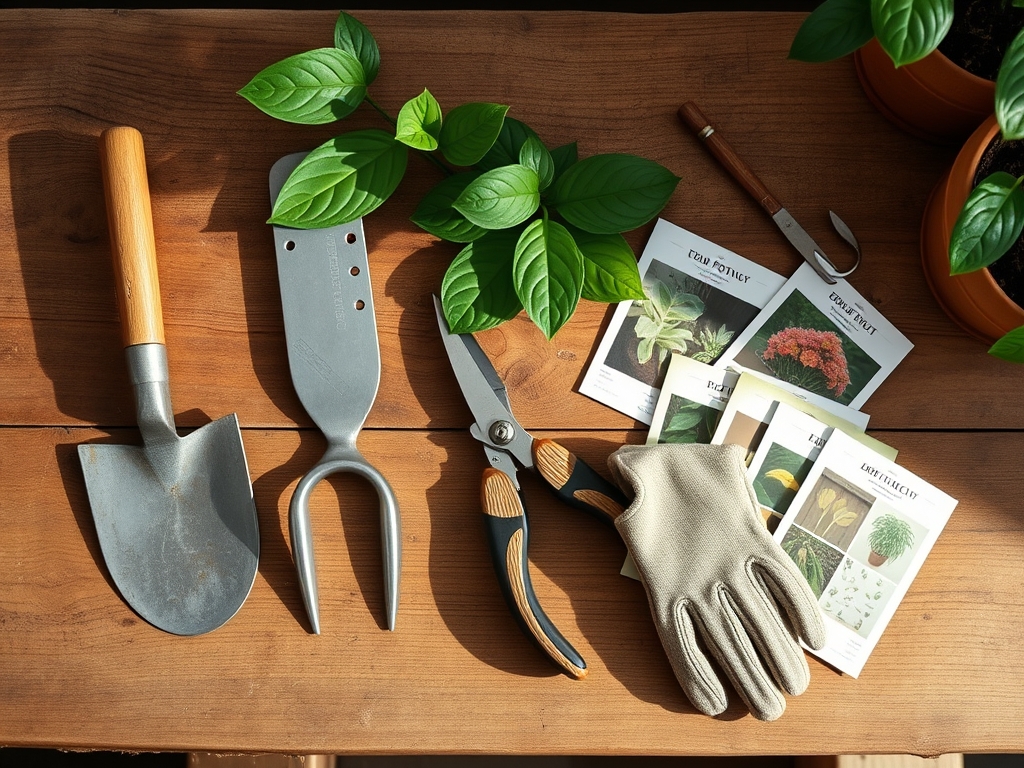
Materials:
The foundation of vining success lies in the **Cation Exchange Capacity (CEC)** of your substrate. Cebu Blue requires a soil pH between **6.0 and 6.5** to ensure micronutrient bioavailability. A friable loam structure is essential; it must be porous enough to allow oxygen to reach the rhizosphere while retaining enough moisture to prevent cell plasmolysis.
Use a custom blend consisting of:
- 40% Orchid Bark: Increases aeration and provides a surface for mycorrhizal fungi.
- 30% Coconut Coir: Maintains a consistent moisture buffer without the acidity of peat moss.
- 20% Perlite or Pumice: Ensures rapid drainage to prevent anaerobic root rot.
- 10% Worm Castings: Provides a slow-release source of nitrogen and beneficial microbes.
For fertilization, utilize a water-soluble NPK ratio of 3-1-2. The higher nitrogen content supports the rapid expansion of leaf blades and the production of chlorophyll. During the peak growing season, supplement with a calcium-magnesium (Cal-Mag) additive to strengthen cell walls, which is critical when the plant begins to support its own weight on a vertical pole.
Timing:
Cebu Blue Pothos is a tropical evergreen suited for USDA Hardiness Zones 9b through 11. In temperate climates, this plant must remain indoors once ambient temperatures drop below 55 degrees Fahrenheit. Exposure to frost will cause immediate cellular rupture and systemic necrosis.
The biological clock of the Cebu Blue is governed by the photoperiod. While it does not undergo a true dormancy, its metabolic rate slows significantly when daylight hours fall below twelve. The ideal window for aggressive vining and propagation is the spring equinox through the late summer. During this phase, the plant maximizes auxin production at the apical meristem. To trigger the transition from juvenile to mature foliage (including the coveted fenestrations), you must provide a consistent 12 to 14 hours of bright, filtered light (approximately 200 to 400 foot-candles).
Phases:
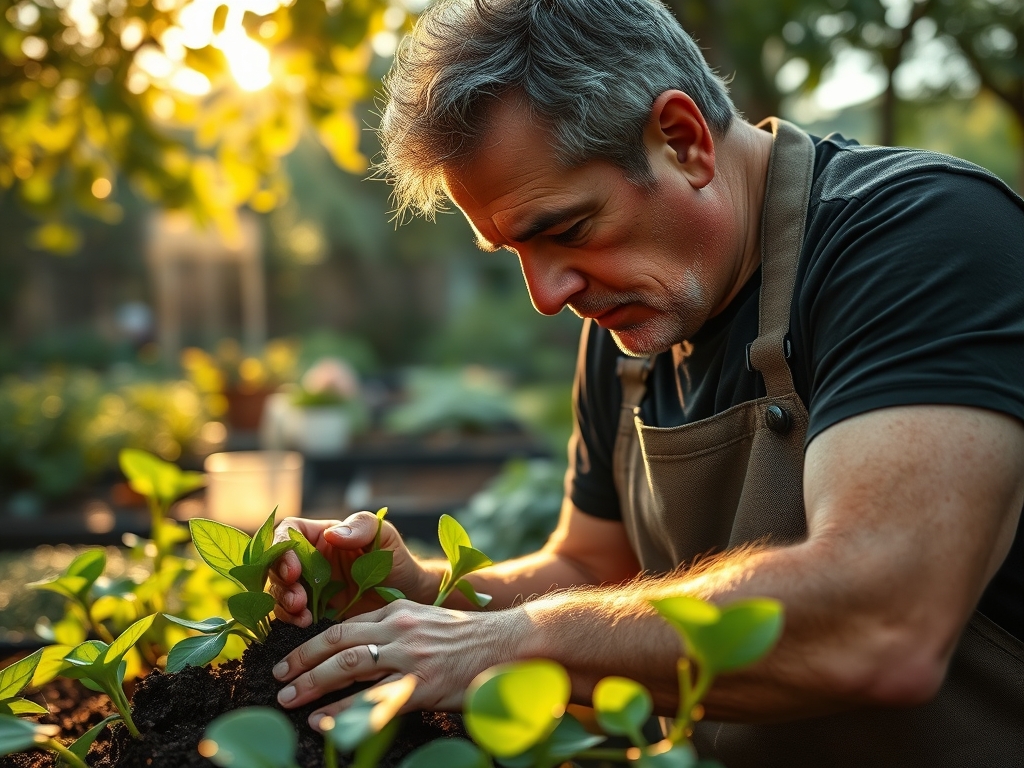
Sowing and Propagation
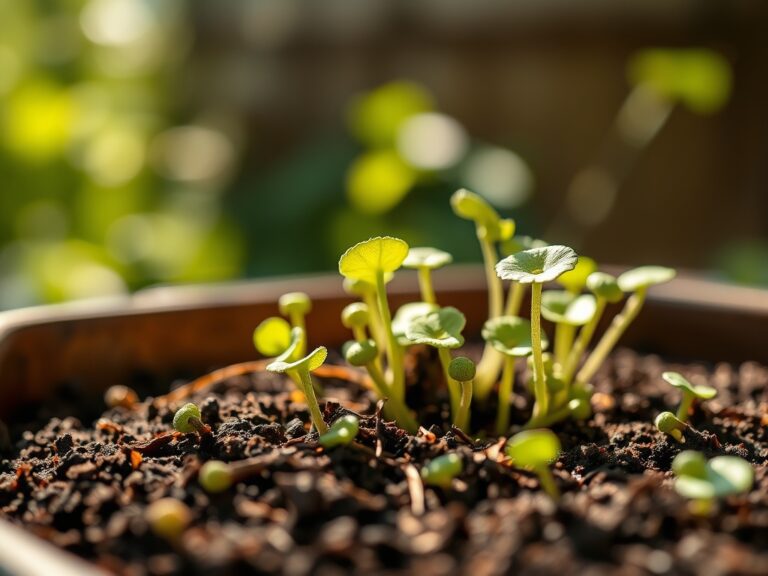
Propagation is most effective via nodal cuttings. Select a healthy vine and cut a section containing at least one node and one leaf using a sterilized bypass pruner. Submerge the node in water or damp sphagnum moss.
Pro-Tip: Maintain a consistent temperature of 75 degrees Fahrenheit in the propagation area. Biological Why: Heat increases the kinetic energy of molecules within the plant cells, accelerating the rate of mitosis at the nodal site to form adventitious roots.
Transplanting
Move the rooted cutting into the permanent substrate once the secondary roots are at least two inches long. Ensure the pot has adequate drainage holes to prevent the accumulation of mineral salts.
Pro-Tip: Dust the root ball with mycorrhizal inoculant before burying. Biological Why: This creates a symbiotic relationship where fungi extend the reach of the root system, increasing the surface area for phosphorus and water uptake.
Establishing the Climb
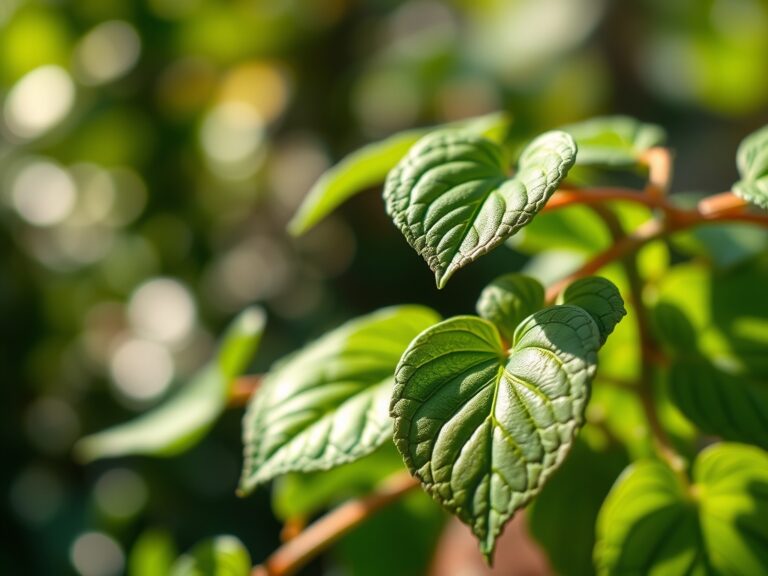
To achieve the "best cebu blue pothos tips" for vining, you must provide a vertical substrate like a moss pole or cedar plank. Secure the nodes against the damp surface using floral wire or soft ties.
Pro-Tip: Keep the climbing support consistently moist. Biological Why: This triggers thigmotropism, a directional growth movement in response to touch. When the aerial roots sense moisture and a solid surface, they anchor deeply, signaling the plant to increase leaf size and develop adult characteristics.
The Clinic:
Physiological disorders in Cebu Blue often stem from environmental imbalances rather than pathogens.
- Symptom: Interveinal Chlorosis (Yellowing leaves with green veins).
- Solution: This indicates a Magnesium deficiency. Apply a solution of one tablespoon of Epsom salts per gallon of water to restore chlorophyll synthesis.
- Symptom: Leaf Tip Burn.
- Solution: This is typically caused by "Guttation" where the plant expels excess minerals. Flush the substrate with distilled water to lower the Total Dissolved Solids (TDS) levels.
- Symptom: Loss of Silver Sheen.
- Solution: Low light levels. Move the plant to a location with higher PAR (Photosynthetically Active Radiation) values to stimulate the production of the protective epicuticular wax.
- Fix-It for Nitrogen Deficiency: If the oldest leaves are turning uniformly yellow and falling off (senescence), increase your NPK application frequency. The plant is mobile-nutrient deficient and is scavenging nitrogen from old growth to support new apical development.
Maintenance:
Precision is the difference between a surviving plant and a thriving one. Use a soil moisture meter to ensure the substrate is dry to a depth of two inches before re-irrigating. On average, a Cebu Blue in a six-inch pot requires approximately 1.5 cups of water per week, delivered directly to the soil surface to avoid wetting the foliage, which can invite fungal spores.
Pruning is a vital part of maintenance. Use a hori-hori knife to remove any dead organic matter from the soil surface to prevent the nesting of fungus gnats. Every six months, wipe the leaves with a damp cloth to remove dust. Dust buildup blocks the stomata, the microscopic pores used for gas exchange, effectively suffocating the plant's ability to perform photosynthesis. If the plant becomes "leggy," prune back to a node to stimulate the activation of lateral buds through auxin suppression at the tip.
The Yield:
While Cebu Blue is not an edible crop, its "yield" is measured in the quality of its biomass and the success of its clones. For the highest quality cuttings, harvest in the early morning when turgor pressure is at its peak. This ensures the cells are fully distended with water, providing the cutting with enough energy to survive the initial shock of separation from the parent plant. Use a clean, sharp blade to make a 45-degree angle cut; this increases the surface area for water absorption during the rooting phase.
FAQ:
How much light does a Cebu Blue need for vining?
Cebu Blue requires 200 to 400 foot-candles of bright, indirect light. Insufficient light leads to long internodes and small leaves. For mature fenestrated growth, provide a high-quality LED grow light for 12 hours daily.
Why are my Cebu Blue leaves turning yellow?
Yellowing is often caused by overwatering or nitrogen deficiency. If the soil is soggy, oxygen cannot reach the roots, causing decay. If the soil is dry and old leaves yellow, the plant requires a 3-1-2 NPK fertilizer.
Can Cebu Blue Pothos grow in low light?
It will survive in low light but will lose its signature silvery-blue hue. The growth rate will stagnate, and the plant will not produce the large, split leaves characteristic of the mature vining stage.
How do I make my Cebu Blue grow faster?
Maintain a temperature of 70-80 degrees Fahrenheit and humidity above 60 percent. Provide a vertical moss pole and use a balanced liquid fertilizer every two weeks during the active spring and summer growing seasons.
How often should I water my Cebu Blue?
Water when the top two inches of soil feel dry to the touch. Use a soil moisture meter to ensure the root zone is not sitting in standing water. This typically equates to watering once every 7 to 10 days.