8 Best Raven ZZ Plant Tips for Color
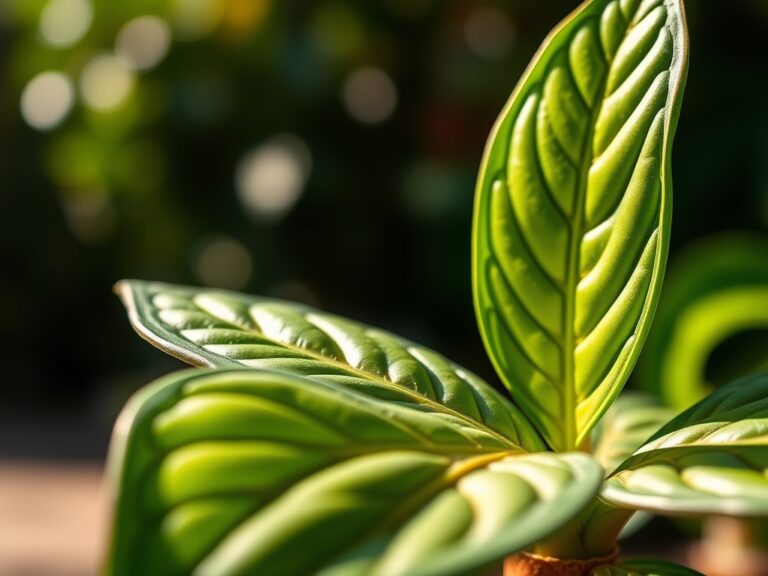
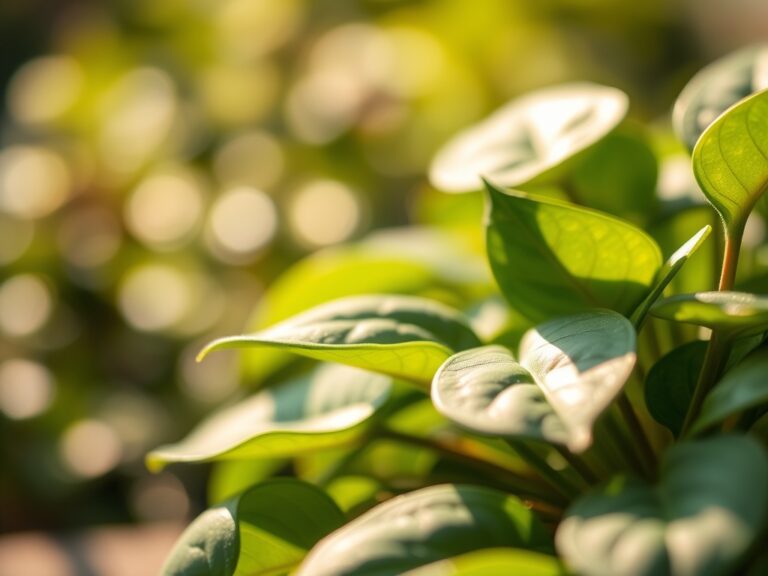
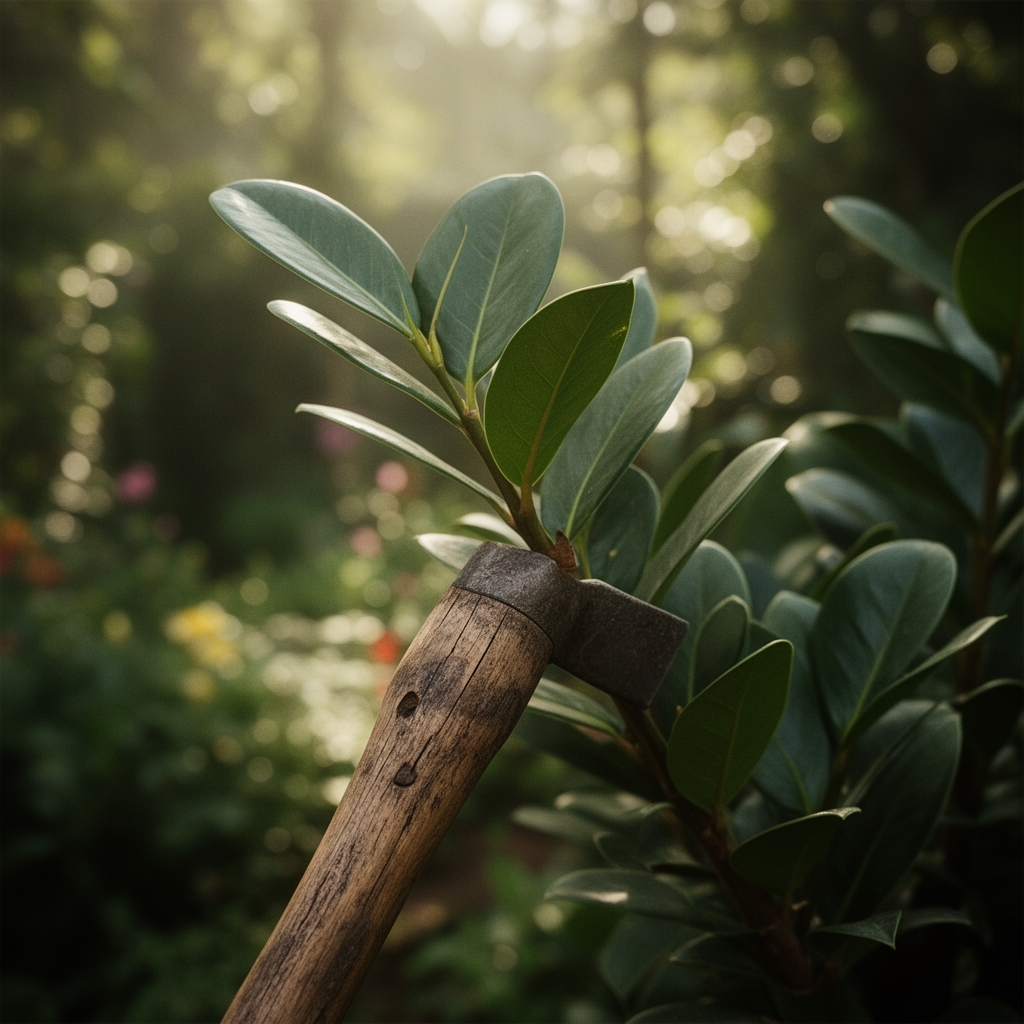
The Raven ZZ plant (Zamioculcas zamiifolia 'Dowon') emerges from its rhizome with lime-green shoots that darken to near-black within weeks, a transformation driven by concentrated anthocyanin production in epidermal cells. This cultivar demands precise light calibration and mineral balance to achieve its signature obsidian foliage. Growers who master the best raven zz plant tips manipulate chlorophyll-to-anthocyanin ratios through controlled stress and nutrient limitation, pushing the plant toward maximum pigmentation without sacrificing structural integrity.
Materials
The Raven ZZ thrives in a substrate with pH 6.0 to 7.0, leaning slightly acidic to optimize iron and manganese availability. Standard potting mix fails this cultivar; instead, combine 40% coco coir, 30% perlite, 20% aged pine bark fines, and 10% worm castings. This blend achieves a cation exchange capacity of 12-18 meq/100g, adequate for slow-release nutrient retention without waterlogging the rhizome.
Fertilizer protocol centers on low-nitrogen formulations. Apply a 2-4-4 liquid kelp and bone meal blend at quarter strength monthly during active growth (April through September in Zones 9-11). Excess nitrogen triggers reversion to green pigmentation, effectively erasing the cultivar's defining trait. Phosphorus supports rhizome density, while potassium strengthens cell walls against the mechanical stress of thick, waxy cuticles.
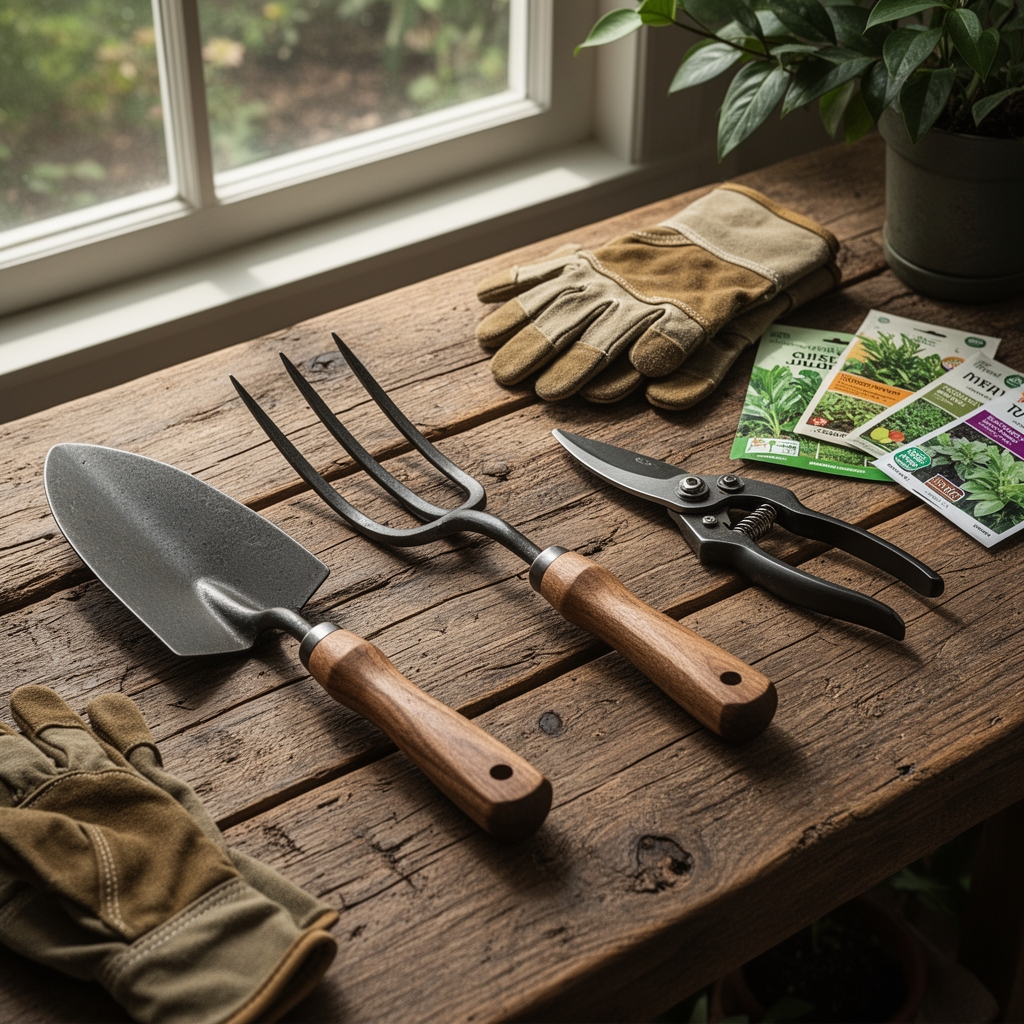
Containers must provide drainage holes spaced every 3 inches along the base. Terracotta allows lateral gas exchange through porous walls, preventing anaerobic pockets that lead to rhizome rot. Size the pot to allow 2 inches of clearance around the rhizome mass; excessive soil volume holds moisture beyond the plant's uptake capacity.
Timing
Raven ZZ tolerates USDA Hardiness Zones 10-12 outdoors year-round. In Zones 9b and below, treat as a container specimen moved indoors when nighttime temperatures drop below 50°F. The plant enters dormancy below 55°F, halting auxin distribution to new growth points and suspending anthocyanin synthesis.
Repot only when rhizomes press against container walls, typically every 24-36 months. Schedule this task for late March, two weeks after the spring equinox, when rising photoperiods trigger endogenous growth hormones. Disturbing roots during dormancy (November through February) delays recovery by 8-12 weeks.
Propagation windows align with the plant's natural division cycle. Separate rhizomes in late April when soil temperatures stabilize above 65°F. Each division requires at least two growth points (visible as small bumps on the rhizome surface) and a 3-inch section of storage tissue.
Phases
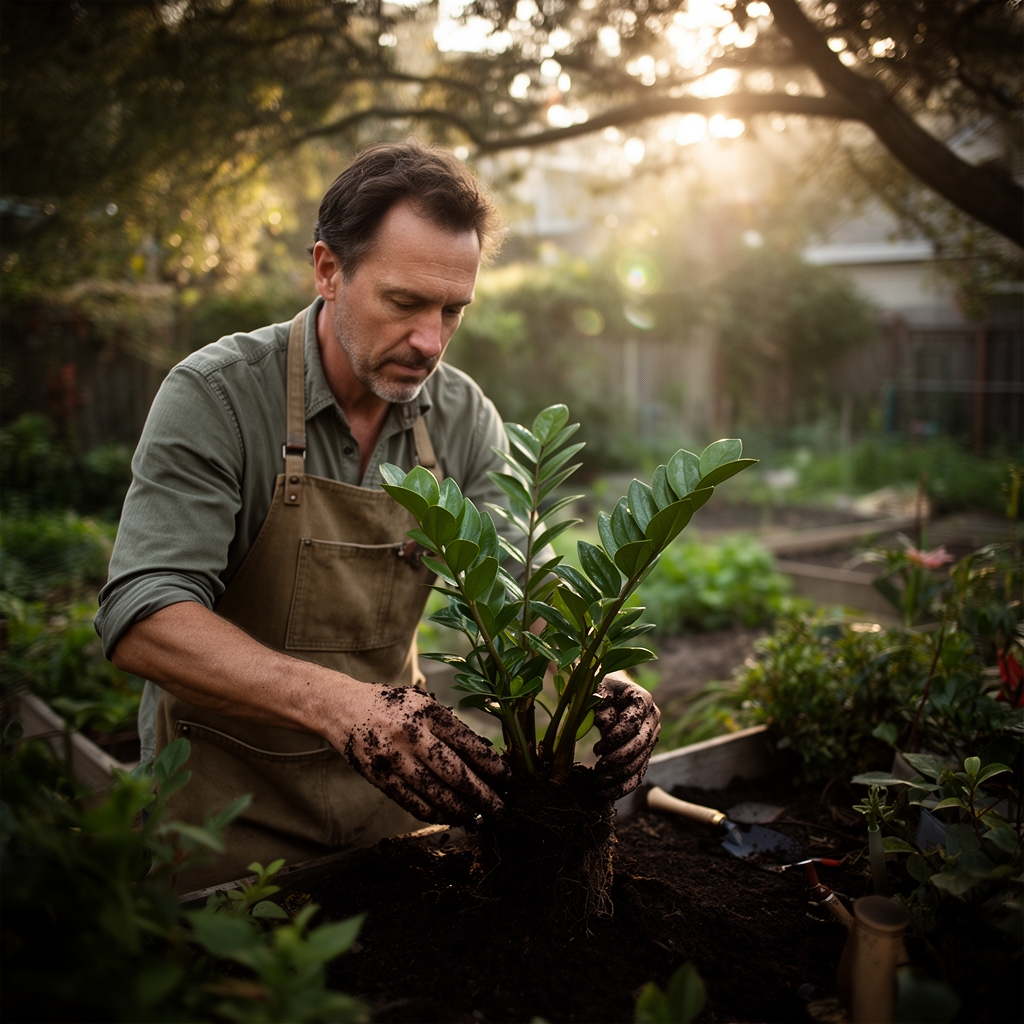
Establishment Phase (Weeks 1-8): Position divided rhizomes 1 inch below the substrate surface, growth points facing upward. Water once to settle the medium, then withhold irrigation for 10 days. This controlled drought forces root initiation as the rhizome seeks moisture. Ambient temperatures of 72-78°F accelerate adventitious root development.
Pro-Tip: Dust cut rhizome surfaces with sulfur powder to prevent Pythium colonization. The fungicide creates a 7-10 day window for wound tissue to suberize naturally.
Vegetative Phase (Months 2-6): New shoots emerge pale green, then transition through chartreuse before darkening. Full black coloration requires 16-18 weeks of consistent conditions. Place the plant in bright, indirect light measuring 200-400 foot-candles. Direct sun exceeding 600 foot-candles degrades anthocyanins, leaving bronze or greenish tones.
Pro-Tip: Introduce mycorrhizal fungi (Rhizophagus irregularis) to the root zone during Month 3. The symbiosis improves phosphorus uptake by 30%, intensifying the purple-black undertones in mature leaves.
Maintenance Phase (Month 7 onward): Mature plants produce 2-4 new stems per growing season. Prune damaged or reverted green shoots at the rhizome junction, cutting at a 45-degree angle to prevent water pooling on cut surfaces. Sterilize blades with 70% isopropyl alcohol between cuts.
Pro-Tip: Rotate containers 90 degrees every two weeks. Uneven light exposure causes asymmetric auxin distribution, resulting in leaning growth and uneven pigmentation across the canopy.
Troubleshooting
Symptom: Leaves remain green or develop bronze patches.
Solution: Reduce nitrogen inputs to zero for 60 days. Increase light intensity to 300-400 foot-candles. Green coloration indicates excess chlorophyll production, often from over-fertilization or insufficient photon flux.
Symptom: Yellowing leaves with brown, crispy margins.
Solution: Test for salt accumulation. Flush substrate with distilled water at 2x the pot volume. Soluble salts concentrate in the root zone when irrigation water contains more than 150 ppm total dissolved solids.
Symptom: Soft, mushy rhizome tissue with foul odor.
Solution: Excise affected tissue until only firm, cream-colored rhizome remains. Repot in fresh, sterile medium. Reduce watering frequency to every 21 days. Root rot stems from overwatering in cool conditions below 65°F.
Symptom: White, cottony masses in leaf axils.
Solution: Mealybugs (Pseudococcidae) colonize the plant when humidity exceeds 60%. Dab insects with 70% isopropyl alcohol on cotton swabs. Isolate the plant for 30 days to prevent spread.
Symptom: Stems elongate with 6-8 inches between leaflets.
Solution: Increase light exposure by 100 foot-candles. Etiolation occurs when photosynthetic demand exceeds available light, forcing internodal stretching.
Maintenance
Irrigate when the top 3 inches of substrate feel completely dry, approximately every 14-21 days in active growth. Deliver 1 cup of water per 6-inch pot diameter, ensuring complete drainage within 5 minutes. Standing water dissolves oxygen in the root zone, promoting anaerobic bacteria.
Maintain ambient temperatures between 65-75°F. Avoid placement near heating vents or air conditioning returns; temperature swings exceeding 10°F within 24 hours shock the plant, triggering leaf drop.
Wipe leaves monthly with a damp microfiber cloth to remove dust. Clean cuticles improve photon capture by 12-15%, essential for maintaining anthocyanin synthesis in lower light conditions.
FAQ
How long before leaves turn fully black?
New growth requires 16-20 weeks to develop maximum pigmentation under optimal light (300-400 foot-candles) and minimal nitrogen.
Can I grow Raven ZZ in low light?
The plant survives at 50-100 foot-candles but remains predominantly green. Anthocyanin production demands moderate light intensity to offset the metabolic cost.
Why do some leaves stay green?
Genetic reversion occurs in 5-8% of stems. Prune green growth at the base immediately to prevent dominance of the faster-growing, chlorophyll-rich tissue.
What causes white spots on leaves?
Hard water deposits from tap irrigation accumulate on waxy cuticles. Switch to distilled or rainwater with less than 50 ppm dissolved minerals.
Should I fertilize during winter?
No. Dormancy below 60°F halts nutrient uptake. Resume feeding in March when new shoots emerge from rhizomes.