8 Clever Ways How to Use Gabion Baskets
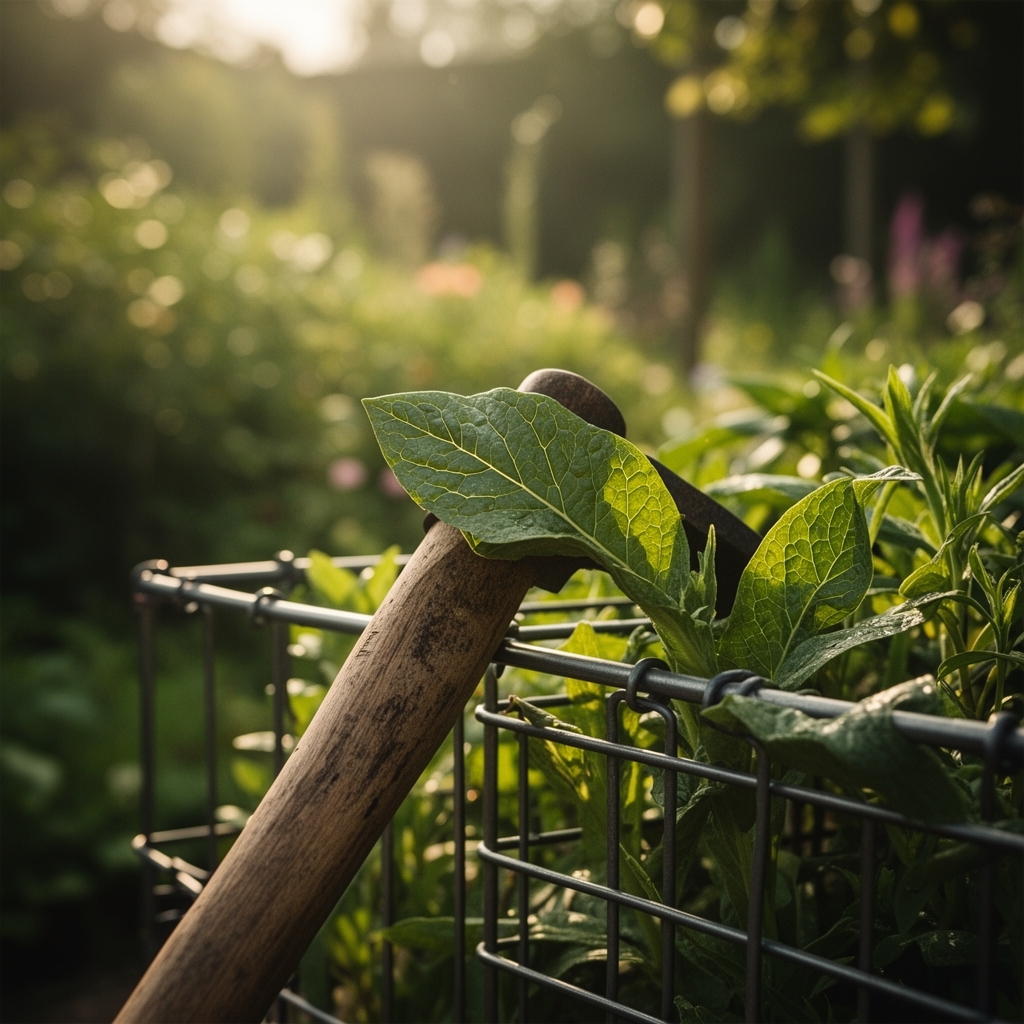
Rock-filled steel mesh meets soil science when landscapers learn how to use gabion baskets as structural elements that double as planting zones. These wire cages, traditionally employed for erosion control on riverbanks, now serve as retaining walls, garden beds, and architectural features in hardiness zones 3 through 10. The galvanized or PVC-coated wire withstands pH extremes from 4.5 to 8.0 while the voids between stones create microclimates for drought-tolerant root systems.
Materials
Select welded wire mesh panels with 2-inch to 4-inch openings, galvanized to ASTM A641 standards for corrosion resistance. Fill material includes limestone (pH 7.5-8.2), granite (pH 6.0-7.0), or basalt (pH 6.5-7.5). For integrated planting, layer 3 inches of composted pine bark (pH 4.5-5.5) mixed with dolomitic limestone at 5 pounds per cubic yard to buffer acidity.
Amend planting pockets with a 4-4-4 organic meal combining feather meal (nitrogen), bone meal (phosphorus), and greensand (potassium). Cation exchange capacity improves when you incorporate 20 percent by volume of biochar, which increases nutrient retention in the 15-30 meq/100g range. For Mediterranean species, add coarse sand to achieve 40 percent porosity.
Install geotextile fabric on the inward face if soil retention is critical. Use landscape staples at 6-inch intervals. Non-woven polypropylene with 70-100 gallons-per-square-foot permeability prevents erosion while allowing root penetration.
Timing
Construct gabion structures in zones 3-5 after the last spring frost, typically May 15-June 1, when soil temperature reaches 55°F at 4-inch depth. In zones 8-10, work from October through February during the mild dormant season to avoid heat stress on newly installed plants.
Plant succulents and alpines into gabion crevices in early spring, two weeks before the average last frost. Root establishment requires 6-8 weeks of temperatures between 50°F and 70°F. For woody perennials, fall planting from September 1 to October 15 allows root growth before winter dormancy while air temperatures drop below 60°F.
Wait 72 hours after heavy rain to begin construction. Moisture content above 25 percent in clay soils prevents proper compaction of the base layer.
Phases
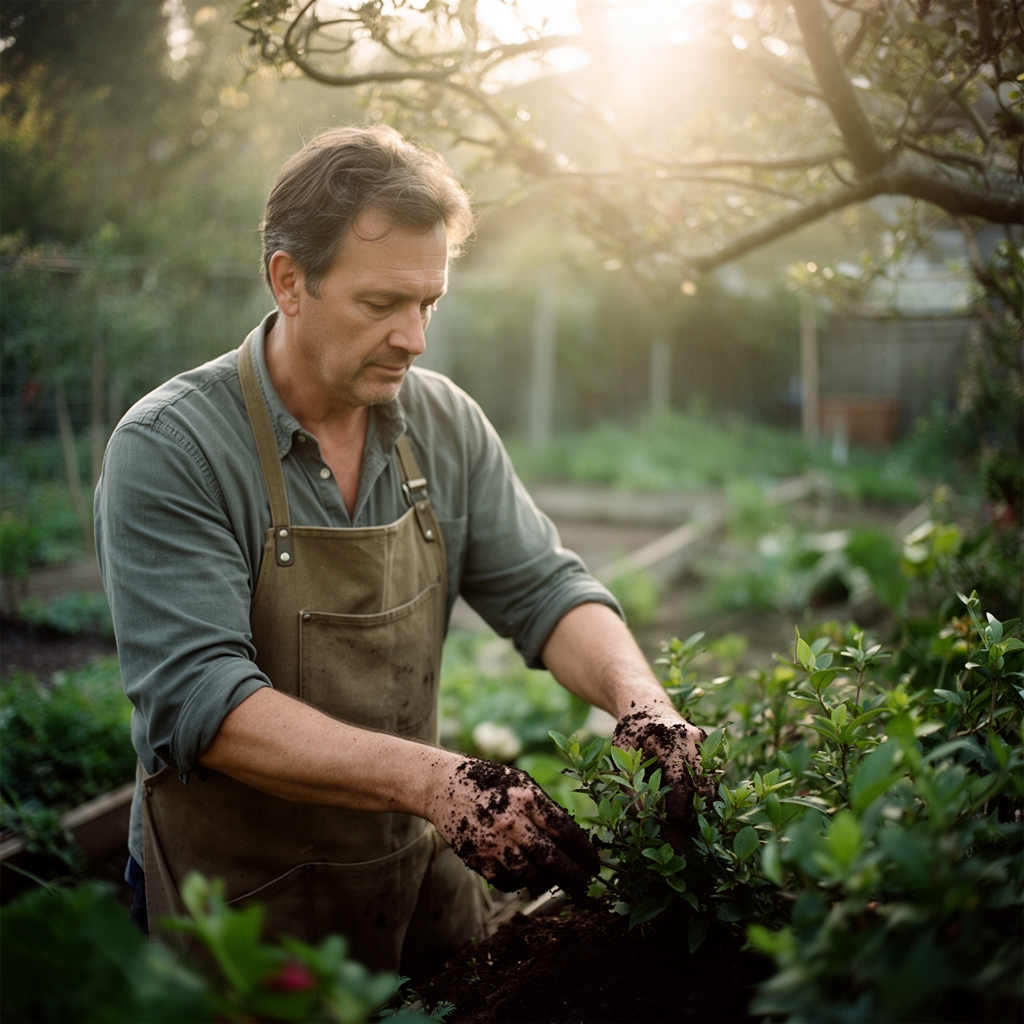
Sowing Phase
Excavate a trench 6 inches deep and 12 inches wide. Compact a 4-inch base layer of crushed stone to 95 percent density using a plate compactor. Assemble wire panels with hog rings or spiral binders at 4-inch spacing along every seam.
Fill baskets in 12-inch lifts, placing stones by hand along visible faces for aesthetic control. Internal zones accept smaller rubble. Insert soil-filled planting pockets as you build, leaving 8-inch by 8-inch voids. Pack decomposed granite around pocket perimeters to improve drainage.
Pro-Tip: Inoculate planting pockets with ectomycorrhizal fungi at 1 teaspoon per pocket for conifers or ericaceous shrubs. Pisolithus tinctorius colonizes roots within 30 days in pH 4.5-6.5 substrates.
Transplanting Phase
Select container plants in 4-inch or 1-gallon pots with root balls 30-40 percent smaller than pocket dimensions. Bare-root perennials tolerate insertion into narrow crevices. Sedums, sempervivums, and delosperma establish in gaps as small as 2 inches wide.
Position crowns 1 inch above the surrounding stone surface to prevent crown rot. Firm soil around roots to eliminate air pockets, then water with 1 quart per plant. Apply a slurry of mycorrhizal inoculant and water at transplant for improved phosphorus uptake.
Pro-Tip: Angle trailing plants downward at 45 degrees to encourage cascading growth. Auxin distribution shifts toward lower stems, promoting lateral branching within 3-4 weeks.
Establishing Phase
Water daily for the first two weeks, delivering 0.5 gallons per planting pocket. Reduce frequency to every three days during weeks 3-6. Monitor soil moisture with a probe; maintain 40-60 percent saturation in the root zone.
Apply a top-dressing of 1/4 inch decomposed granite around each plant to reduce evaporation and reflect heat. In zones 7-10, whitewash stones with diluted latex paint (1:10 ratio) to lower surface temperatures by 15-20°F.
Pro-Tip: Prune back 30 percent of foliage after transplant to balance root-to-shoot ratios. Remove terminal buds at a 45-degree angle to stimulate axillary bud growth.
Troubleshooting
Symptom: Chlorotic leaves with green veins on new growth.
Solution: Iron deficiency induced by high pH. Drench soil with chelated iron (Fe-EDDHA) at 1 tablespoon per gallon, applying 1 cup per pocket. Reapply every 30 days until foliage greens.
Symptom: Wilting despite moist soil; dark, mushy roots.
Solution: Pythium root rot from poor drainage. Remove affected plants. Drill additional 1/2-inch drainage holes through geotextile. Replant with species requiring less than 5 gallons per week.
Symptom: White cottony masses on stems and undersides of leaves.
Solution: Mealybug infestation. Spray with horticultural oil at 2 percent concentration (2.5 tablespoons per quart). Apply at dawn or dusk to prevent phytotoxicity. Repeat every 7 days for three cycles.
Symptom: Stunted growth; leaves small and pale despite fertilization.
Solution: Compacted substrate reducing oxygen to roots. Carefully loosen soil with a hand fork to 3-inch depth. Incorporate 1/4 cup perlite per pocket to increase air-filled porosity to 15 percent.
Maintenance
Irrigate established plantings with 1 inch of water per week during active growth, delivered in a single deep watering. In zones 3-6, cease irrigation after September 15 to encourage hardening-off before first frost.
Fertilize annually in early spring with a 3-4-3 slow-release granular blend at 2 tablespoons per pocket. Avoid high-nitrogen formulas that promote soft growth susceptible to winter damage. Reapply micronutrient foliar spray (iron, manganese, zinc) at half-strength every 6 weeks.
Remove spent flowers and dead foliage in late fall to reduce overwintering sites for pests. Cut herbaceous perennials to 2-inch stubs. Leave evergreen foliage intact.
Inspect wire for rust annually. Touch up damaged galvanization with zinc-rich paint. Replace baskets showing more than 30 percent corrosion to maintain structural integrity.
FAQ
How deep should gabion basket foundations be?
Excavate to 6 inches for walls under 3 feet tall. Walls exceeding 4 feet require engineered footings extending below the frost line, typically 36-48 inches in zones 3-5.
Can I grow vegetables in gabion planters?
Yes. Use 12-inch-deep pockets filled with loam-based mix amended to pH 6.0-6.8. Harvest crops like lettuce, herbs, and determinate tomatoes. Avoid root crops requiring deeper profiles.
What plants thrive in gabion crevices?
Drought-adapted species including Sedum rupestre, Sempervivum tectorum, Delosperma cooperi, and Thymus serpyllum. Select plants with fibrous root systems under 6 inches deep.
How long do galvanized gabion baskets last?
Expect 20-50 years depending on climate. PVC-coated wire extends lifespan to 60 years in corrosive coastal environments with salt spray.
Do gabions require building permits?
Structures over 4 feet tall or retaining more than 2 feet of soil elevation change typically require engineering review and permits. Verify with local building departments before construction.