
8 Simple Steps to Install Picket Fences
Installing a picket fence transforms property boundaries while requiring precision in post placement, panel alignment, and structural integration with soil conditions. Learning how to install picket fences demands understanding of substrate compaction, freeze-thaw cycles, and the mechanical load distribution that determines longevity. A properly installed picket fence anchors into mineral soil layers with adequate cation exchange capacity to resist lateral movement during seasonal moisture fluctuations.
Materials and Soil Amendments
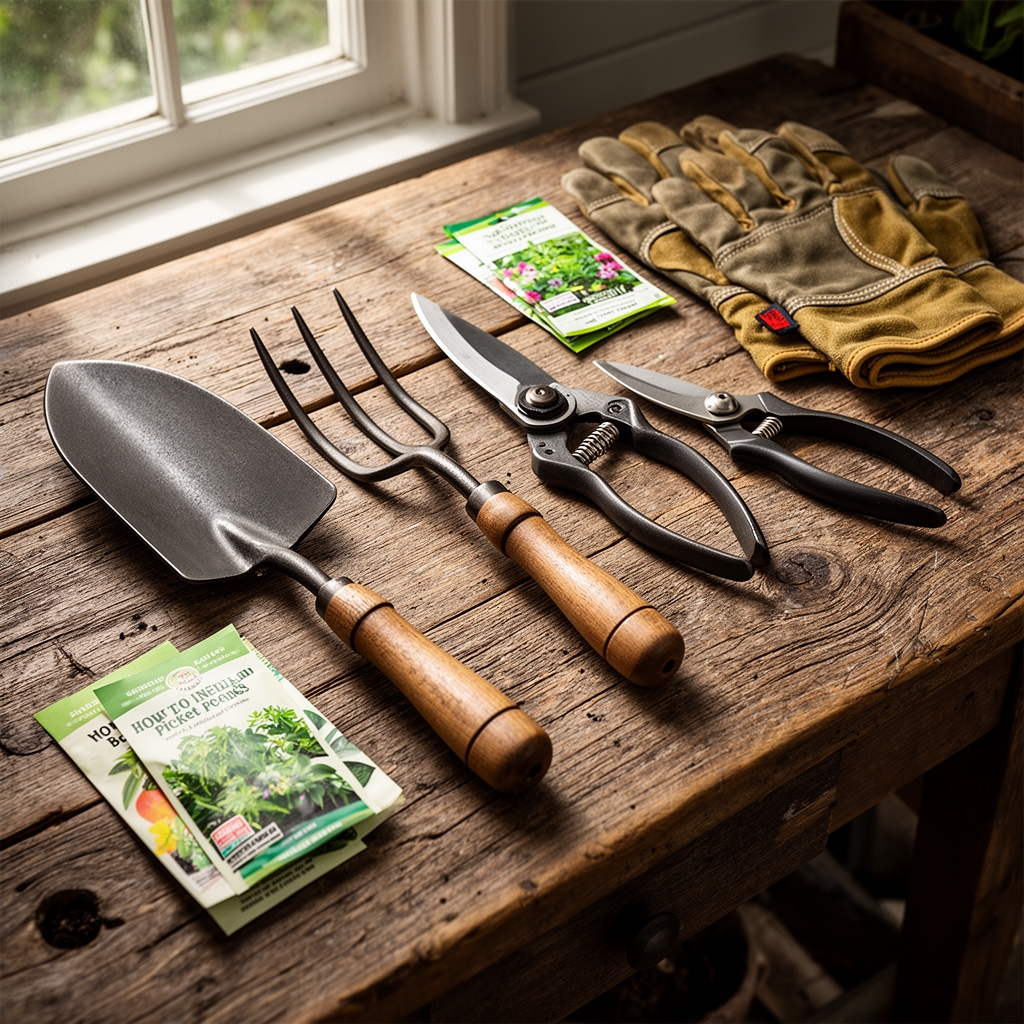
Selecting materials for how to install picket fences begins with pressure-treated lumber rated for ground contact (0.40 PCF minimum retention). Cedar and redwood contain natural phenolic compounds that resist decay without chemical treatment. Posts require 4×4 inch cross-sections for spans under 8 feet, while 6×6 inch dimensions suit wider intervals.
Concrete footings demand Type I Portland cement mixed at 4:2:1 ratio (aggregate:sand:cement) with water-cement ratio not exceeding 0.45 to achieve 3,500 PSI compressive strength. Gravel base layers provide drainage similar to horticultural grit, maintaining substrate pH between 6.0 and 7.5 to prevent accelerated metal corrosion on galvanized hardware.
Fasteners include 3-inch galvanized deck screws (zinc coating minimum 1.5 oz/ft²) and hot-dipped galvanized nails. Stainless steel offers superior performance in coastal environments where salt spray mimics the osmotic stress plants experience in saline soils. Post caps and finials require UV-stabilized polymers or copper alloys resistant to photodegradation.
Timing and Climate Considerations
Installation windows align with soil workability rather than arbitrary calendar dates. In USDA Hardiness Zones 3-5, schedule installation between late May and September when ground frost penetration reaches minimum depth. Zones 6-8 permit year-round installation except during saturated soil conditions that reduce bearing capacity below 1,500 PSF.
Frost heave occurs when soil moisture freezes and expands, exerting uplift forces exceeding 25,000 pounds per square foot. Post footings must extend below local frost line depth: 48 inches in Zone 4, 36 inches in Zone 6, and 12 inches in Zone 9. This principle mirrors root zone depth requirements for perennial establishment.
Avoid installation during active precipitation when soil moisture content exceeds field capacity. Saturated substrates exhibit reduced cohesion and shear strength, compromising footing stability similar to how waterlogged growing media suffocates root systems by displacing oxygen.
Installation Phases

Phase 1: Layout and Excavation
String lines establish the fence plane with surveyor precision. Drive stakes at terminal points and tension mason line to create a datum reference. Spacing posts at 72-inch centers optimizes material efficiency while maintaining structural rigidity. Mark post locations with landscape paint, then excavate holes to depth exceeding frost line by 6 inches. Hole diameter should measure three times post width, similar to planting hole proportions that encourage lateral root expansion.
Pro-Tip: Apply granular repellent containing thiram fungicide around excavated holes to deter rodent activity that undermines footing integrity.
Phase 2: Post Setting and Alignment
Place 6 inches of crushed stone base in each excavation, compacting to 95% Proctor density with a tamping bar. This drainage layer functions like horticultural perlite, preventing capillary rise that accelerates wood decay. Position posts vertically using a 48-inch spirit level on adjacent faces. Temporary braces maintain alignment during concrete curing.
Mix concrete in batches, filling holes in single pours to eliminate cold joints. Vibrate or rod concrete to eliminate air pockets that reduce compressive strength. Crown the top surface with a 5-degree slope directing water away from the post, mimicking the drainage grading essential for crown rot prevention in woody plants.
Pro-Tip: Insert a 4-inch schedule 40 PVC sleeve at post base before concrete pour to facilitate future replacement without excavation.
Phase 3: Panel Assembly and Attachment
Allow concrete to cure for 72 hours, achieving 70% of ultimate strength before loading. Install horizontal rails between posts using galvanized brackets or mortise joints. Top rails position 3 inches below post caps. Bottom rails sit 8 inches above grade to prevent soil contact and moisture wicking through capillary action.
Attach pickets to rails with consistent spacing using a jig cut to desired gap width, typically 2.5 inches. This spacing permits air circulation comparable to proper plant spacing that reduces foliar disease pressure. Drive fasteners at 15-degree angles to increase withdrawal resistance.
Pro-Tip: Pre-drill holes 75% of fastener diameter to prevent splitting, especially in dense hardwoods where lignin content exceeds 25%.
Troubleshooting Common Issues
Symptom: Post Lean or Heave
Solution: Insufficient footing depth or inadequate concrete consolidation. Re-excavate to proper frost line depth and ensure concrete vibration eliminates voids. Backfill with well-draining soil amended with coarse sand to improve percolation rate above 2 inches per hour.
Symptom: Wood Splitting at Fastener Points
Solution: Excessive moisture content or inadequate pre-drilling. Use lumber kiln-dried to 15% moisture content. Pre-drill all holes within 3 inches of board ends where tangential shrinkage stress concentrates.
Symptom: Premature Decay at Ground Contact
Solution: Inadequate drainage or improper lumber treatment. Extend gravel base 3 inches beyond post perimeter. Specify lumber with 0.60 PCF retention for severe decay conditions, similar to selecting disease-resistant cultivars in fungal-prone environments.
Symptom: Metal Hardware Corrosion
Solution: Galvanic reaction between dissimilar metals or insufficient coating. Use hot-dipped galvanized fasteners with minimum G185 coating. Apply zinc-rich primer to cut ends of treated lumber where preservative penetration remains shallow.
Symptom: Panel Warping or Cupping
Solution: Inadequate fastening or unfinished surfaces. Secure each picket at three points minimum. Apply penetrating oil-based sealant to all six surfaces, creating a moisture barrier that functions like leaf cuticle wax preventing desiccation.
Maintenance Protocol
Inspect fence structure biannually, checking for fastener withdrawal and structural movement. Tighten or replace corroded hardware immediately. Apply water-repellent preservative every 24 months, delivering 250 square feet coverage per gallon. Clean surfaces before treatment using oxygen bleach solution (1 cup per gallon water) to remove algae, lichens, and fungal colonization that accelerate substrate degradation.
Monitor soil grade around posts. Maintain minimum 2-inch clearance between horizontal rails and soil surface to prevent capillary moisture transfer. Remove vegetation within 12-inch radius of posts to reduce competitive moisture demand and improve air circulation, similar to maintaining weed-free zones around tree trunks.
Trim overhanging branches that shade fence surfaces and maintain persistent moisture films conducive to decay fungi. Target 6 hours minimum direct sunlight for natural desiccation between precipitation events.
Frequently Asked Questions
How deep should fence posts be buried?
Posts must extend below local frost line depth plus 6 inches. Typical depths range from 24 inches in Zone 8 to 54 inches in Zone 3, with concrete footings preventing uplift during freeze-thaw cycles.
What wood species resists decay longest?
Black locust exhibits natural durability exceeding 50 years in ground contact due to robinetin and dihydrorobinetin content. Cedar and redwood contain thujaplicin and pinosylvin phenols providing 20-30 year service life without chemical treatment.
Can I install fence panels without concrete?
Gravel-only footings suffice only in well-drained sandy soils with minimal frost penetration. Clay substrates with plasticity index exceeding 15 require concrete stabilization to prevent seasonal movement.
What spacing prevents picket warping?
Gap width equaling 30% of picket width permits expansion during moisture absorption. Four-inch pickets require 1.5-inch gaps. Install cup-side facing alternating directions to balance dimensional changes.
How do I prevent gate sagging?
Install diagonal tension wire or solid bracing from top hinge-side corner to bottom latch-side corner. This creates triangulated load path resisting gravitational moment, similar to branch collar reinforcement preventing limb failure in trees.