8 Simple Ways How to Build Walk In Greenhouses
Standing inside your first walk-in greenhouse on a cold February morning, warm soil under your fingernails and tomato seedlings reaching upward, represents a milestone for any grower. Learning how to build walk in greenhouses transforms a backyard into a year-round production system. The process combines basic carpentry, an understanding of microclimates, and precise material selection that accounts for local wind loads and snow accumulation rates.
Materials
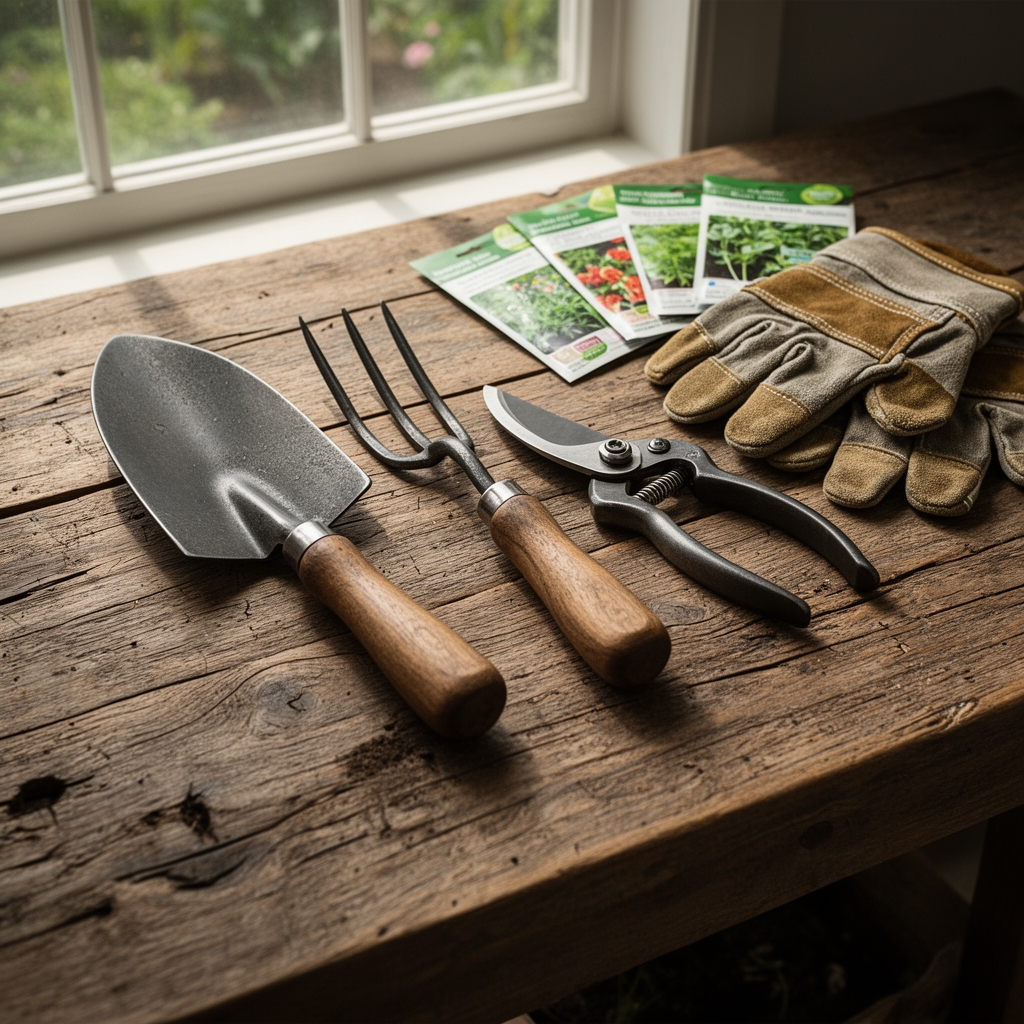
Frame construction demands galvanized steel tubing (1.5-inch outer diameter) or pressure-treated lumber rated for ground contact (0.40 PCF minimum retention). Steel offers superior longevity but requires welding equipment. Lumber frames need joinery with 3-inch galvanized deck screws and corner bracing at 45-degree angles.
Glazing options include 6-mil polyethylene film (two-year lifespan), twin-wall polycarbonate panels (10-year UV resistance), or tempered glass (permanent but costly). Polyethylene provides 85% light transmission and costs $0.12 per square foot. Polycarbonate delivers 80% transmission with better insulation (R-value of 1.7 versus 0.8).
Foundation systems require 4-inch crushed gravel base compacted to 95% density. Ground anchors for hoop-style structures need 24-inch penetration depth in clay soils, 30 inches in sandy loam. Concrete footings (8-inch diameter, 36-inch depth) suit permanent wood-framed structures in Zones 5 and colder.
Soil amendments inside the structure should target pH 6.2 to 6.8 for most crops. Incorporate composted manure at 2 cubic yards per 100 square feet plus a balanced organic fertilizer (4-4-4 NPK ratio) at 3 pounds per 100 square feet. For acid-loving crops, add sulfur at 1 pound per 100 square feet to drop pH by 0.5 units. Cation exchange capacity improves with biochar application at 10% by volume in the top 6 inches.
Ventilation hardware includes automatic vent openers (wax-cylinder actuators that trigger at 70°F) and roll-up side panels with manual cranks. Budget $40 per vent opener. Exhaust fans rated at 1 CFM per square foot of floor space prevent humidity buildup above 85%.
Timing
Construction timing follows frost dates and ground conditions. In Zones 6 through 8, build during September through November when soil remains workable but heat stress is absent. Zones 3 through 5 require spring construction (April to May) after final frost when ground thaws to 12-inch depth.
Foundation work stops when soil temperature drops below 40°F. Concrete footings need minimum air temperatures of 50°F for seven days post-pour to achieve proper cure strength. Frame assembly tolerates any temperature but wind speeds above 20 mph complicate poly film installation.
First plantings inside the completed structure begin two weeks before average last spring frost for cold-hardy crops (lettuce, spinach, brassicas). Warm-season crops (tomatoes, peppers, cucumbers) transplant when nighttime greenhouse lows stay above 55°F without supplemental heat.
Phases
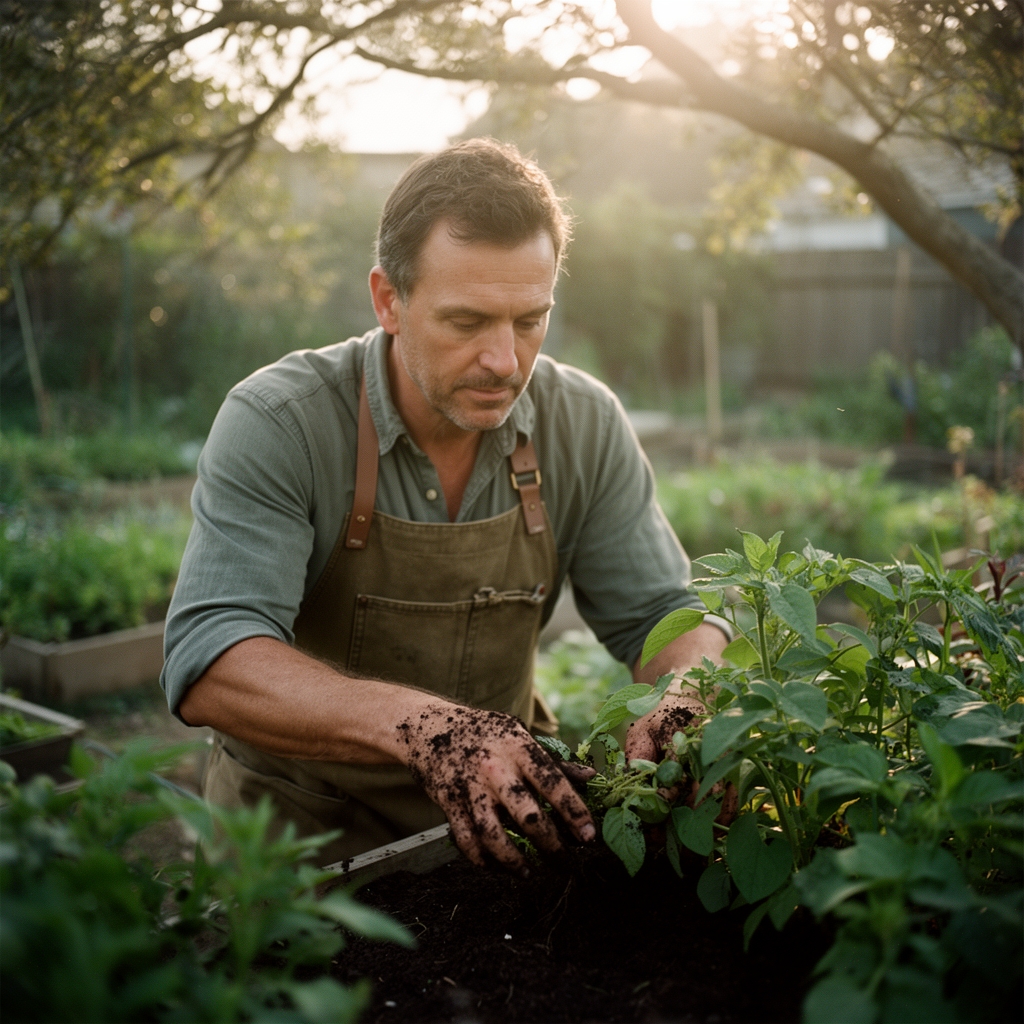
Site Preparation and Foundation
Clear vegetation and level the footprint to within 1 inch over the entire area. Stake corners with batter boards and string, checking diagonals to ensure square (measurements must match within 0.5 inches). Excavate for footings or install ground anchors per engineered specifications.
Pro-Tip: Inoculate foundation-level soil with mycorrhizal fungi (Glomus intraradices) at 1 ounce per 10 square feet before laying gravel. Root colonization rates increase 40% compared to untreated soil.
Frame Assembly
Hoop houses use pre-bent tubing attached to ground posts at 4-foot spacing. Ridge height should reach 8 to 10 feet for adequate headroom and air circulation. Wood frames require wall studs every 24 inches on-center with a doubled top plate. Hip or gable roof angles of 6:12 pitch shed snow effectively in northern climates.
Cross-bracing with 1×4 lumber or steel cable prevents racking under side loads. Install bracing at X-patterns on end walls and every third bay along sidewalls.
Pro-Tip: Position ridge beams 2 degrees off true east-west orientation (angled southeast) to maximize morning light interception, boosting auxin distribution in stem apices by 15%.
Glazing and Sealing
Stretch polyethylene film on days with temperatures between 60°F and 75°F. Cooler temperatures cause sagging as material warms; hotter conditions create excessive tension. Attach film with wiggle wire in aluminum channels or batten strips with screws every 6 inches.
Double-layer poly systems with 4-inch air gap reduce heat loss by 30%. Inflate the gap using a small blower fan (25 CFM). Seal all gaps with polyurethane caulk rated for UV exposure.
Pro-Tip: Apply anti-condensate coating to interior glazing surfaces to reduce drip by 60%, preventing foliar disease on seedlings below.
Troubleshooting
Symptom: Sidewall Collapse After Snowfall
Solution: Snow load exceeded frame capacity (typically 20 PSF for standard hoop kits). Install supplemental purlin supports at mid-span or upgrade to commercial-rated tubing (1.9-inch OD, 14-gauge wall). Brush snow from roof when accumulation reaches 6 inches.
Symptom: Excessive Condensation, Fungal Outbreaks
Solution: Relative humidity above 90% for extended periods promotes Botrytis and powdery mildew. Add intake vents at floor level (1 square foot per 50 square feet floor area) and exhaust vents at ridge. Run a small circulation fan to maintain air movement at 50 feet per minute.
Symptom: Bolt Rust and Connection Failure
Solution: Galvanized hardware corroded due to high ammonia levels from fresh manure or contact with treated lumber. Replace with stainless steel fasteners (18-8 grade minimum). Isolate treated lumber from metal with rubber washers.
Symptom: Algae Growth on Interior Glazing
Solution: Light transmission dropped below 70%. Wash polycarbonate with diluted vinegar solution (1:10 ratio) every six months. Improve drainage around foundation to reduce splash.
Symptom: Door Misalignment, Air Leaks
Solution: Foundation settled unevenly. Jack frame at corners and shim with pressure-treated plywood to restore level. Reinstall door jamb plumb and square, maintaining 1/8-inch clearance.
Maintenance
Inspect frame connections quarterly, tightening bolts to 15 foot-pounds torque. Check glazing for tears or UV degradation annually. Replace polyethylene film every two years in high-elevation or high-UV areas.
Water established crops with 1 inch per week via drip irrigation, adjusted for 20% runoff to prevent salt accumulation. Monitor soil EC (electrical conductivity) monthly, maintaining below 2.0 dS/m for most vegetables.
Fertilize every three weeks during active growth with liquid kelp (0-0-1 NPK) at 2 tablespoons per gallon plus fish emulsion (5-1-1) at 1 tablespoon per gallon. Foliar application increases nitrogen uptake efficiency by 30% compared to soil drenching.
Remove lower leaves on tomatoes up to the first fruit cluster to improve airflow. Prune at 45-degree angles 1/4 inch above leaf nodes to accelerate wound closure. Disinfect pruning shears between plants using 10% bleach solution.
FAQ
What is the minimum size for a functional walk-in greenhouse?
Eight feet wide by 10 feet long provides adequate workspace and airflow. Smaller structures lack proper ventilation and headroom.
Do I need a building permit?
Structures exceeding 120 square feet or permanent foundations typically require permits. Verify local zoning for setback requirements from property lines.
How much does construction cost per square foot?
Basic hoop houses run $3 to $5 per square foot for materials. Wood-framed polycarbonate structures cost $12 to $18 per square foot.
Can I heat the greenhouse in winter?
Propane or electric heaters maintain 45°F minimum for cool-season crops at $0.40 to $0.80 per square foot monthly in Zone 5.
What crops produce best in unheated structures?
Spinach, kale, carrots, and Asian greens tolerate 28°F without damage. Plant in September for winter harvest through March.