8 Smart Ways How to Build a Koi Pond Filter
The sharp scent of anaerobic decomposition in a stagnant pond is the first warning of a failing ecosystem. When the nitrogen cycle collapses, ammonia levels spike and the water loses its clarity; this signifies a breakdown in the mechanical and biological processing of organic waste. Learning how to build a koi pond filter is the only way to maintain the high turgor pressure and metabolic health of your aquatic stock. A functional system must process total suspended solids while providing a massive surface area for nitrifying bacteria to colonize the rhizosphere of any integrated marginal plants.
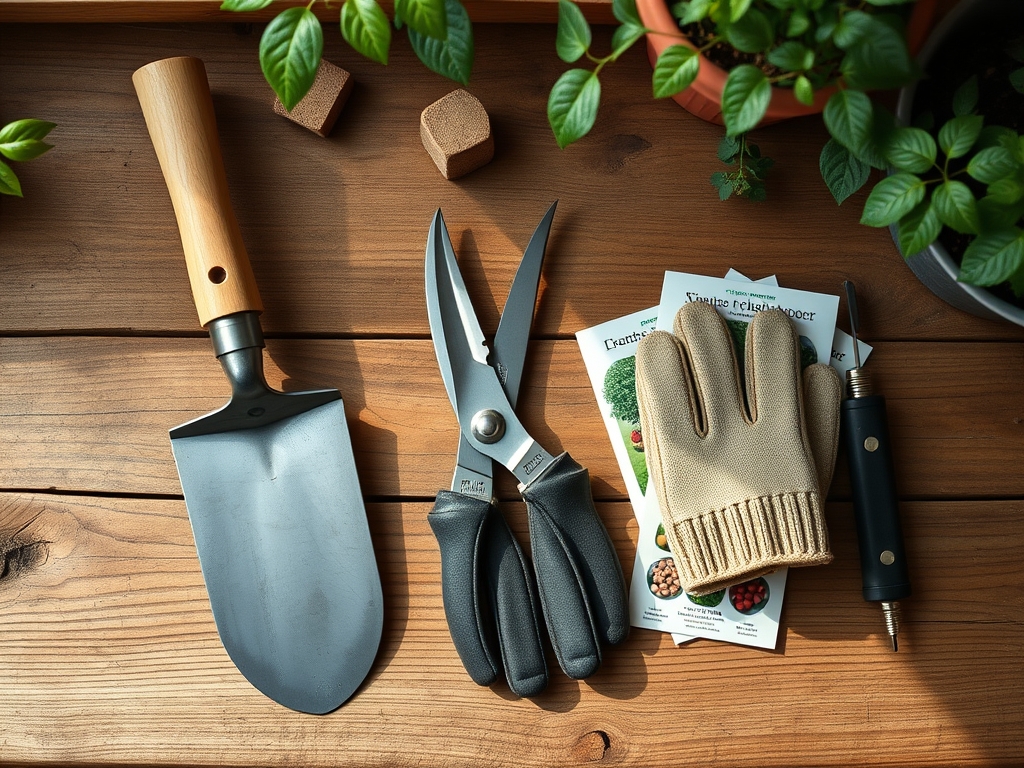
Materials:
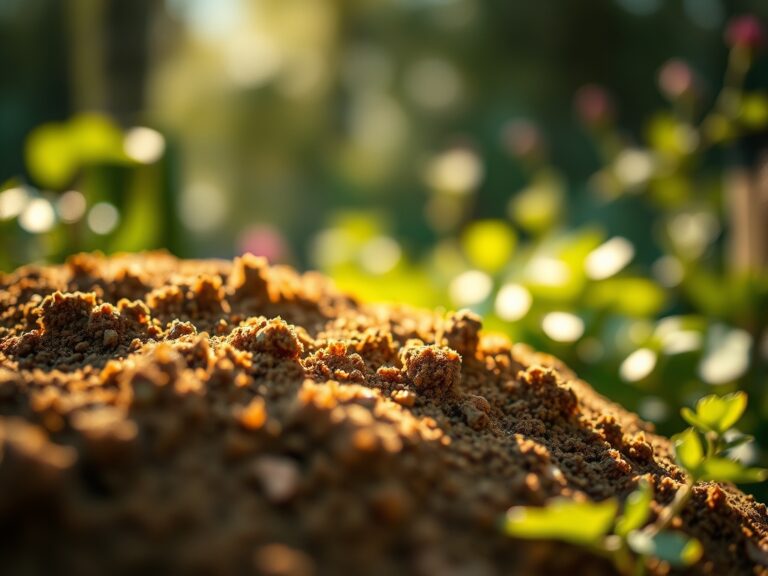
Constructing a high performance filter requires a specific understanding of substrate chemistry and nutrient loading. For vegetable based bog filters, the substrate should consist of a **friable loam** mixed with expanded clay aggregates to prevent compaction. The ideal soil pH for these systems sits between **6.5 and 7.2** to ensure maximum bioavailability of micronutrients.
When selecting media for the biological chamber, prioritize materials with a high Cation Exchange Capacity (CEC). This allows the filter to hold onto positively charged ions like ammonium (NH4+) before bacteria convert them into nitrates. If you are integrating a "veggie filter" or "bog," your initial planting medium should reflect an NPK ratio of 5-10-5 to encourage root establishment without overstimulating algae with excessive nitrogen. The physical texture must remain porous to allow for 300 to 500 gallons per hour (GPH) of flow without channeling.
Timing:
The installation of a filtration system is dictated by the thermal window of your local environment. In Hardiness Zones 4 through 7, construction must be completed at least six weeks before the first hard frost to allow the bacterial colony to reach equilibrium. In warmer Zones 8 through 11, the system can be started year round; however, biological activity peaks when water temperatures remain between 65 and 80 degrees Fahrenheit.
The biological clock of a pond filter follows a strict succession. Initially, the system undergoes a vegetative phase where nitrifying bacteria (Nitrosomonas and Nitrobacter) populate the media. This transition from a sterile environment to a reproductive biological state takes approximately 21 to 35 days. Monitoring this window is critical; adding koi before the nitrogen cycle is established will result in acute ammonia toxicity.
Phases:
Sowing the Biological Media
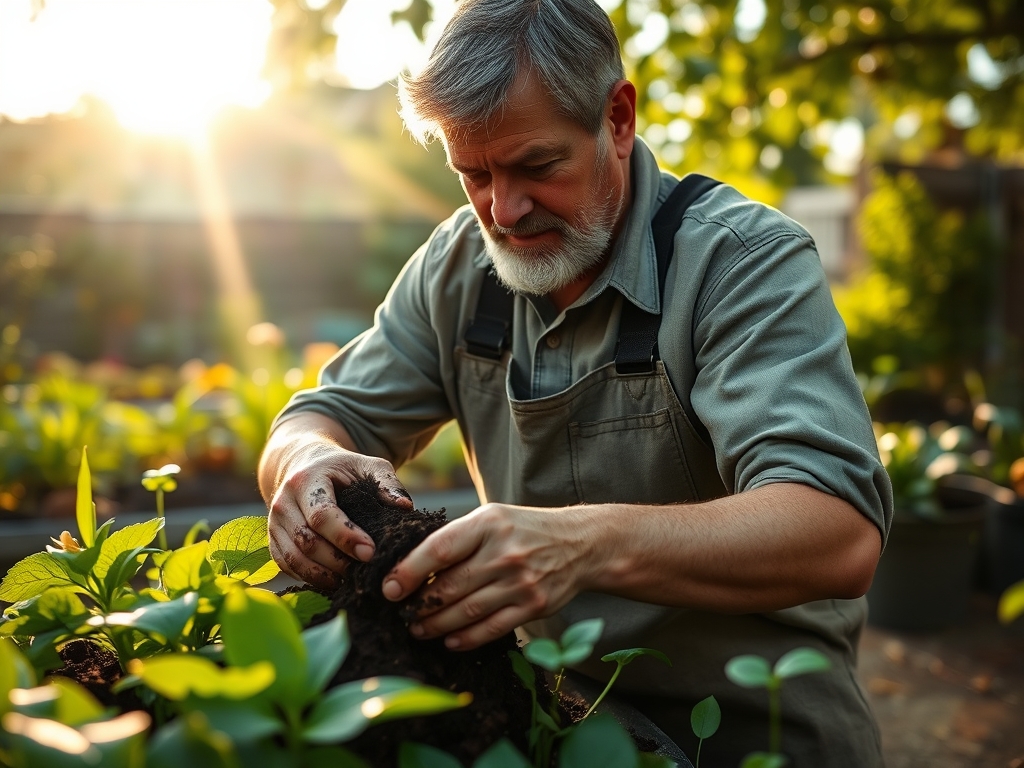
The first stage involves "seeding" the filter. Use a porous media such as K1 micro or lava rock. Introduce a concentrated bacterial starter when the water temperature hits a consistent 55 degrees Fahrenheit.
Pro-Tip: Maintain high dissolved oxygen levels during this phase. Nitrifying bacteria are aerobic; they require oxygen to fuel the oxidation of ammonia into nitrite. This is known as oxidative phosphorylation, the same process that powers cellular energy in complex plants.
Transplanting Marginal Plants
If building a bog filter, transplant species like Iris pseudacorus or Typha into the upper gravel layers. Ensure the crowns are set at a depth of 2 to 4 inches below the water surface.
Pro-Tip: Use a hori-hori knife to prune the root tips before planting. This triggers auxin suppression in the main root and stimulates lateral branching, which increases the surface area available for nutrient uptake and mycorrhizal symbiosis.
Establishing Flow Dynamics
Adjust the pump to ensure the entire volume of the pond passes through the filter every 1 to 2 hours. This prevents "dead zones" where pathogens can proliferate in the absence of oxygen.
Pro-Tip: Position the return pipe to create surface agitation. This facilitates gas exchange, increasing the partial pressure of oxygen in the water, which prevents the senescence of beneficial bacterial colonies during the heat of summer.
The Clinic:
Physiological disorders in a pond ecosystem often manifest in the plants and fish simultaneously. Use these diagnostics to troubleshoot your filter performance.
-
Symptom: Yellowing of older leaves with green veins (Interveinal Chlorosis).
-
Solution: This indicates a Magnesium deficiency. Check the pH; if it is above 8.5, magnesium becomes locked. Add chelated minerals to lower the pH to 7.0.
-
Symptom: Stunted plant growth and "flickering" fish behavior.
-
Solution: This is likely Ammonia spike. The filter is undersized or the flow rate is too high for the bacteria to process the waste. Reduce feeding and increase the biological media volume by 25 percent.
-
Symptom: Sludgy, black buildup in the filter with a "rotten egg" smell.
-
Solution: Anaerobic pockets have formed. Increase the aeration and mechanical filtration to remove Total Suspended Solids (TSS) before they reach the biological stage.
-
Fix-It for Nitrogen Chlorosis: If marginal plants show uniform pale green or yellow leaves, the koi are not producing enough waste to support the plant biomass. Supplement with a low phosphate, liquid nitrogen fertilizer at half strength.
Maintenance:
A precision filtration system requires active management to prevent the "clogging" of the rhizosphere. Use a soil moisture meter to check the moisture levels of any terrestrial transition zones around the pond. Mechanical mats must be rinsed with pond water (not tap water) every 7 to 14 days to preserve the bacterial biofilm.
Prune aquatic plants using bypass pruners to remove decaying matter before it adds to the pond's organic load. If the water level drops more than 0.5 inches per day, check for leaks in the filter housing or plumbing. Ensure the pump intake is clear of debris to maintain a steady head pressure. During the peak of summer, monitor the dissolved oxygen (DO) levels; they should never drop below 6 mg/L for optimal koi health and bacterial efficiency.
The Yield:
While a koi filter's "yield" is typically water clarity, a bog filter can produce a harvest of aquatic herbs or cut flowers. Harvest flowers like Water Lilies in the early morning when turgor pressure is at its peak. Cut the stems at a 45 degree angle and immediately plunge them into cool water.
For edible aquatic plants like Watercress grown in the filter, harvest the top 3 inches of growth. This encourages the plant to remain in a vegetative state and prevents the bitterness associated with flowering and senescence. Post harvest, keep the greens in a high humidity environment at 34 to 40 degrees Fahrenheit to maintain "day-one" freshness and cellular structure.
FAQ:
How big should my koi pond filter be?
A standard biological filter should be at least 10 percent of the total pond volume. For a 1,000 gallon pond, use a 100 gallon stock tank. This ensures sufficient surface area for bacterial colonization and mechanical waste separation.
Can I use gravel as a filter media?
Yes, but use 3/4 inch round river stone or expanded clay. Small gravel packs too tightly, reducing oxygen flow and creating anaerobic zones. Ensure the gravel bed is at least 12 inches deep for effective nutrient processing.
Why is my pond water still green after filtering?
Green water is caused by single celled algae. This indicates a Nitrate or Phosphate surplus. Increase the number of "feeder plants" in your bog filter or install a UV clarifier to flocculate the algae for mechanical removal.
How often should I clean the biological media?
Clean biological media only once or twice a year. Use dechlorinated pond water to rinse away heavy sludge. Using chlorinated tap water will kill the nitrifying bacteria, causing a total collapse of the pond's nitrogen cycle.
What is the best pump for a DIY filter?
Select a pump rated for continuous duty with a flow rate that turns the pond volume over every hour. For a 2,000 gallon pond, a pump providing 2,500 GPH at 5 feet of head height is the professional standard.