9 Simple Steps to Scindapsus Pictus Care
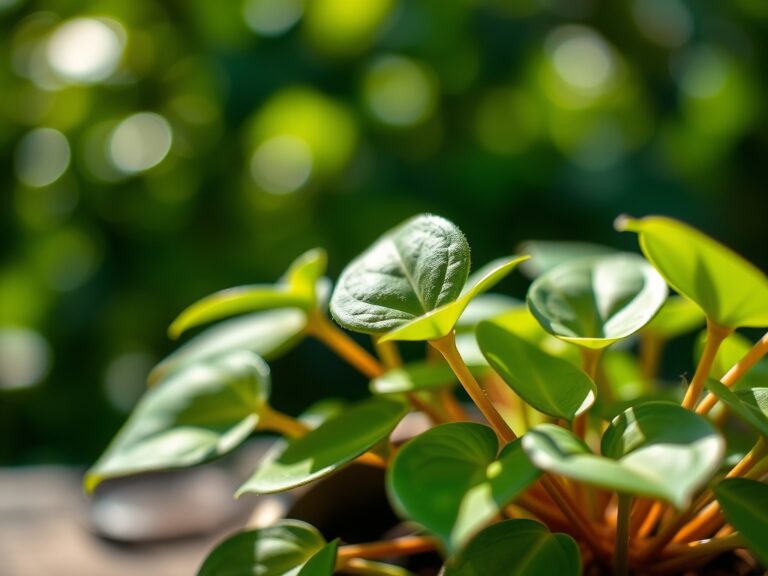
Healthy Scindapsus pictus foliage exhibits a distinct rigidity known as turgor pressure; a state where water pushes against the cell walls to maintain structural integrity. You can feel the leathery texture of the matte green cuticle against the silver variegation. Mastering the steps to scindapsus pictus care requires moving beyond casual observation to precise physiological management. This Araceae family member thrives when the rhizosphere maintains a specific balance of oxygen and moisture. Success is measured by internodal spacing and leaf size.
Proper cultivation begins with understanding that this species is an epiphyte. In its native Southeast Asian habitat, it climbs trees using adventitious roots. In a domestic setting, you must replicate this arboreal environment through substrate porosity and vertical support. Neglect leads to leaf senescence and root rot. Precision in light exposure and nutrient delivery ensures the plant remains in a perpetual vegetative state, producing the thick, velvety leaves that characterize a healthy specimen. We will focus on the technical requirements of the species to ensure maximum biomass production and cellular health.
Materials:
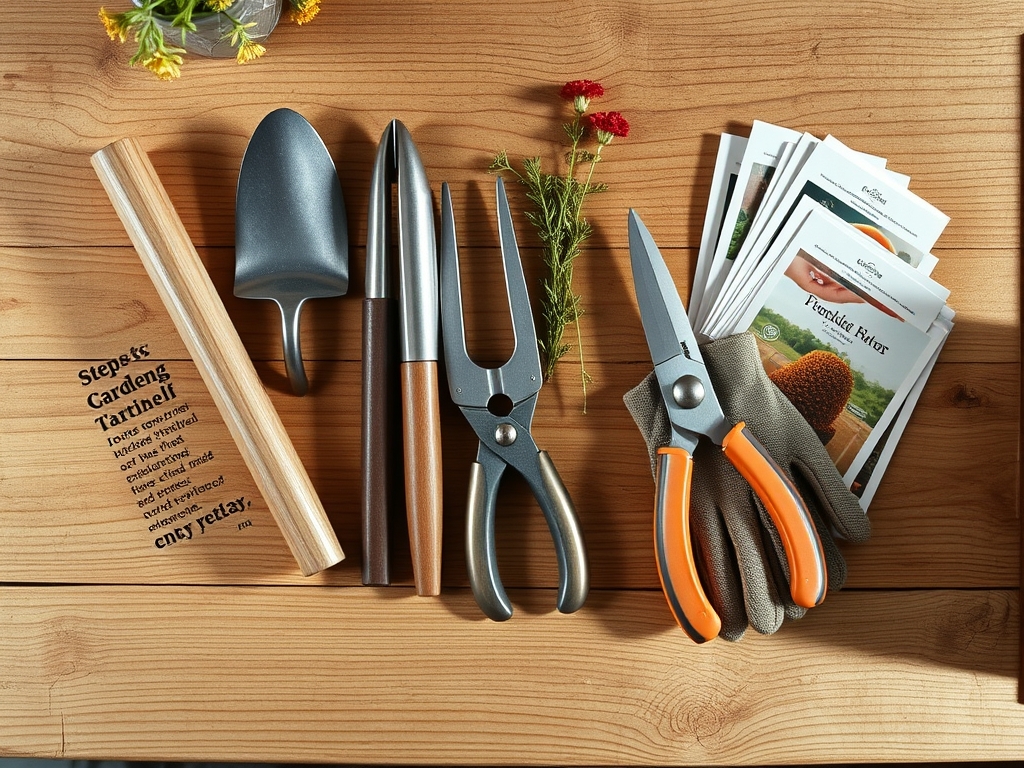
Substrate selection is the foundation of Scindapsus health. You require a friable loam or a soilless mix with a high Cation Exchange Capacity (CEC) to retain and exchange essential nutrients. The ideal pH range is 6.0 to 6.5.
- Substrate Components: Mix two parts coco coir, one part perlite, and one part orchid bark. This creates the macropores necessary for gas exchange at the root zone.
- Nutrients: Use a water soluble fertilizer with an NPK ratio of 20-10-20 or 20-20-20. High nitrogen levels are critical for chlorophyll production and leaf expansion.
- Containers: Select a pot with multiple drainage apertures. Terracotta is preferred for its evaporative cooling properties and gas permeability.
- Water: Use filtered water or rainwater to avoid the accumulation of fluoride and chlorine salts, which can cause marginal leaf necrosis.
Timing:
Scindapsus pictus is strictly a tropical perennial. It is hardy only in USDA Zones 10 through 12. In all other zones, it must be maintained in a climate-controlled environment where temperatures never drop below 60 degrees Fahrenheit (15.5 degrees Celsius).
The biological clock of the plant is driven by the photoperiod. While it does not require a specific day length to remain healthy, its metabolic rate increases significantly during the spring and summer months. This is the primary vegetative phase. During the winter solstice, the plant enters a period of semi-dormancy where cellular respiration slows. You must calibrate your irrigation and fertilization schedules to these metabolic shifts. Do not attempt propagation or heavy pruning if the ambient temperature is consistently below 65 degrees Fahrenheit, as the rate of callus formation and root initiation will be insufficient to prevent fungal infection.
Phases:
Sowing and Propagation
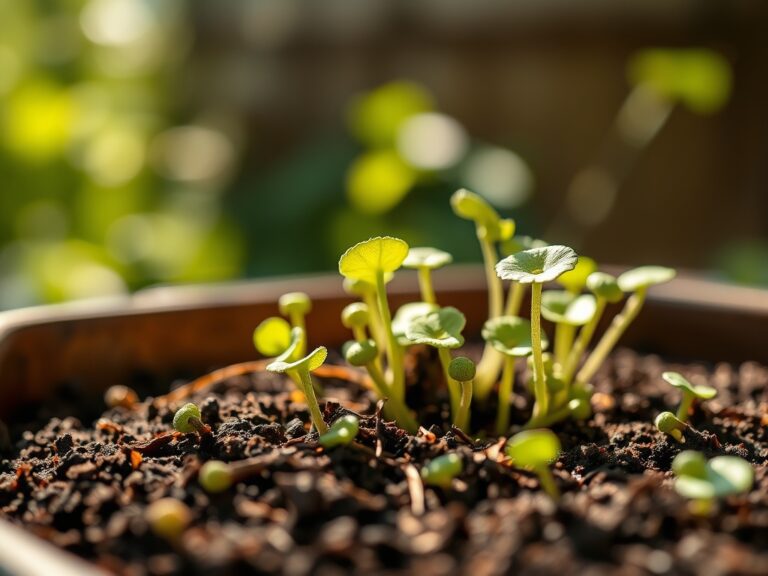
Scindapsus pictus is rarely grown from seed in a domestic setting; instead, use stem cuttings. Locate a node and cut 0.5 inches below it. Ensure the cutting has at least two leaves to provide the photosynthetic surface area needed for energy production.
Pro-Tip: Use a rooting hormone containing Indole-3-butyric acid (IBA). This synthetic auxin mimics the plant's natural hormones to trigger the differentiation of undifferentiated parenchyma cells into root tissue, a process known as adventitious root formation.
Transplanting
When roots reach 2 to 3 inches in length, move the cutting to the permanent substrate. Ensure the root system is spread laterally to maximize contact with the soil particles. Avoid "pot-bound" conditions which restrict the movement of water and nutrients through the xylem.
Pro-Tip: Incorporate mycorrhizal fungi into the transplant hole. This creates a symbiotic relationship where the fungi extend the reach of the root system, increasing the uptake of phosphorus and water in exchange for plant sugars.
Establishing
During the first 21 days post-transplant, maintain high humidity (above 60 percent). This reduces the vapor pressure deficit (VPD) and prevents the plant from losing more water through transpiration than the new roots can absorb. Monitor the apical meristem for new growth as a sign of successful establishment.
Pro-Tip: Avoid moving the plant frequently. Constant changes in light direction trigger phototropism, forcing the plant to expend metabolic energy reorienting its leaves toward the light source instead of investing that energy in root development.
The Clinic:
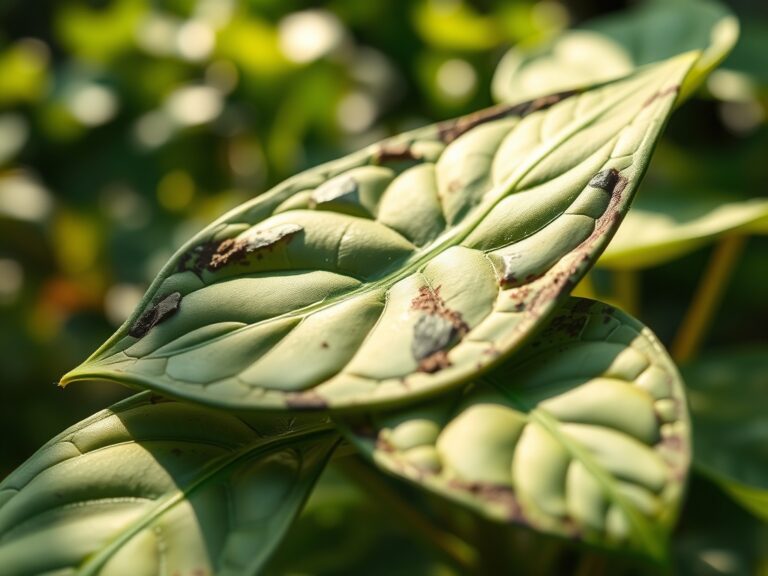
Physiological disorders in Scindapsus are often the result of environmental stressors rather than pathogens.
- Symptom: Interveinal Chlorosis (Yellowing between veins).
Solution: This indicates a Magnesium deficiency. Apply a solution of 1 tablespoon of Epsom salts per gallon of water to restore chlorophyll function. - Symptom: Leaf Tip Burn (Necrosis).
Solution: This is typically caused by salt accumulation in the substrate or low humidity. Flush the soil with three times the volume of the pot using distilled water to leach out excess minerals. - Symptom: Epinasty (Downward curling of leaves).
Solution: This is a classic sign of overwatering and subsequent root hypoxia. Allow the substrate to dry until the top 2 inches are devoid of moisture. - Symptom: Small, stunted new growth.
Solution: Nitrogen deficiency. Increase the frequency of your 20-10-20 NPK applications during the active growing season.
Maintenance:
Precision maintenance prevents the onset of senescence. Use a soil moisture meter to verify that the root zone is at a "Level 3" or "4" before adding water. Generally, the plant requires approximately 1.5 inches of water per week, delivered directly to the substrate to avoid wetting the foliage.
Pruning should be performed with sterilized bypass pruners. Make cuts 0.25 inches above a node to encourage lateral branching. If the plant becomes root-bound, use a hori-hori knife to slice through the outer inch of the root ball before repotting; this stimulates the growth of new, more efficient feeder roots. Maintain light levels between 150 and 250 foot-candles for optimal variegation and growth rates.
The Yield:
While Scindapsus pictus is not an edible crop, the "yield" is measured in healthy vine length and leaf density. To maintain "day-one" freshness for cuttings intended for gifting or further propagation, submerge the cut ends in room temperature water immediately. Use a sharp blade to ensure the xylem vessels remain open and uncrushed, allowing for maximum water uptake.
FAQ:
Why are my Scindapsus leaves curling?
Leaves curl when the plant experiences a high vapor pressure deficit or underwatering. The plant reduces its surface area to minimize transpiration. Check the substrate moisture with a soil moisture meter and increase ambient humidity to above 50 percent.
How much light does Scindapsus pictus need?
It requires bright, indirect light between 1,500 and 2,500 lux. Direct solar radiation will cause photo-oxidation, destroying chlorophyll and bleaching the leaves. Insufficient light leads to etiolation, where the plant produces long, weak stems with minimal foliage.
What is the best fertilizer for Scindapsus?
Use a balanced, water-soluble fertilizer with an NPK ratio of 20-20-20. Apply at half-strength every 14 to 21 days during the spring and summer. This provides the nitrogen, phosphorus, and potassium necessary for robust cellular development and root health.
Can I grow Scindapsus pictus in water?
Yes, Scindapsus can grow hydroponically. However, the roots produced in water are physiologically different from soil roots. If moving from water to soil, the plant may experience transplant shock as it adapts to a lower oxygen environment.
How do I stop my plant from losing its silver spots?
Loss of variegation is usually a response to low light. The plant produces more chlorophyll to compensate for the lack of energy. Move the plant to a location with higher foot-candle measurements to encourage the return of the silver markings.