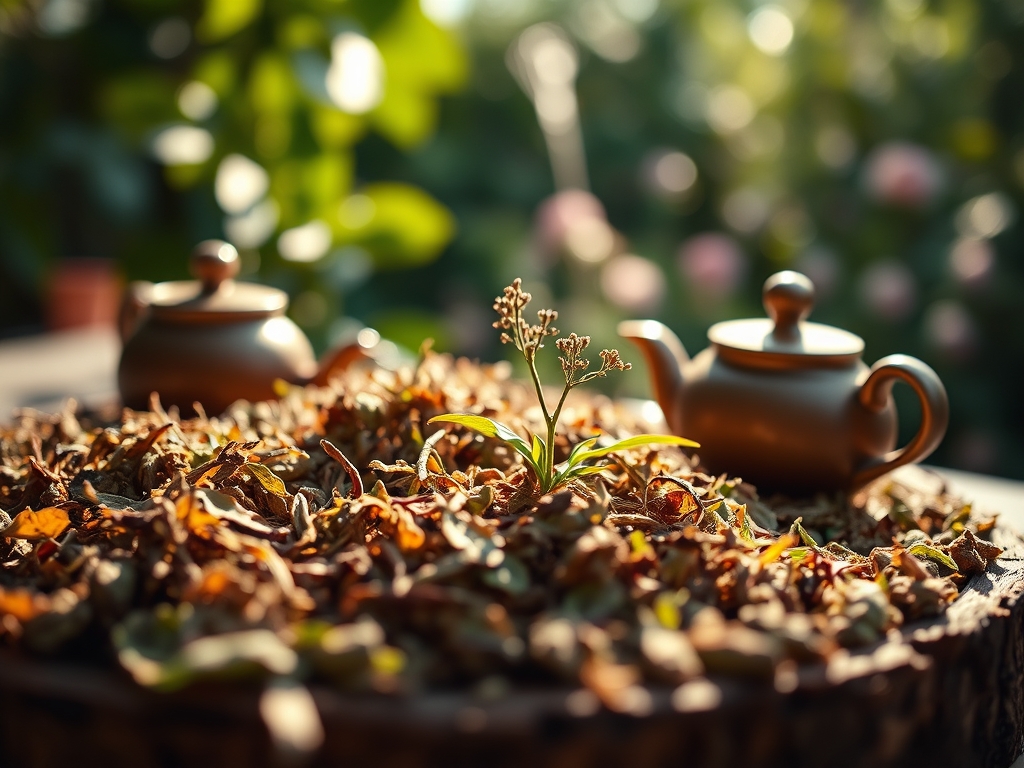
9 Zen Ways How to Design a Tea Garden
The smell of damp earth after a light rain signals the activation of microbial life within the rhizosphere. When the turgor pressure in a Camellia sinensis leaf is at its peak; the foliage feels firm and resilient to the touch. Mastering how to design a tea garden requires a shift from aesthetic decoration to functional botanical engineering. This process demands a deep understanding of soil chemistry and plant physiology to ensure that every leaf harvested possesses the correct concentration of polyphenols and amino acids. Success depends on the precise calibration of light exposure and drainage.
Materials:
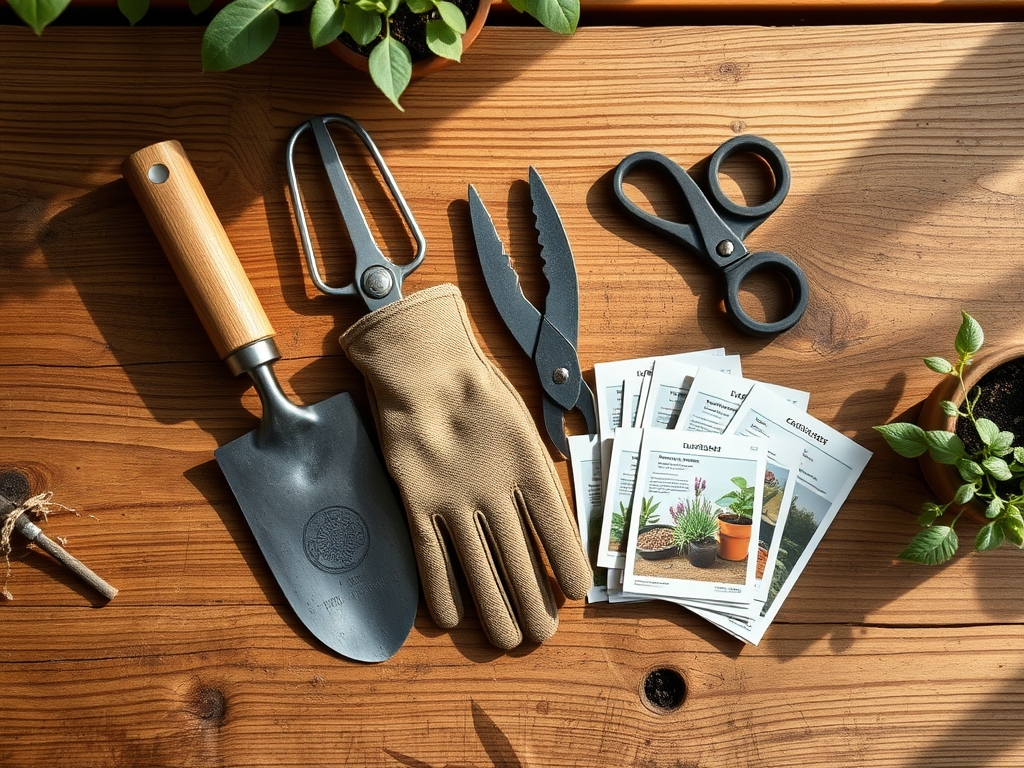
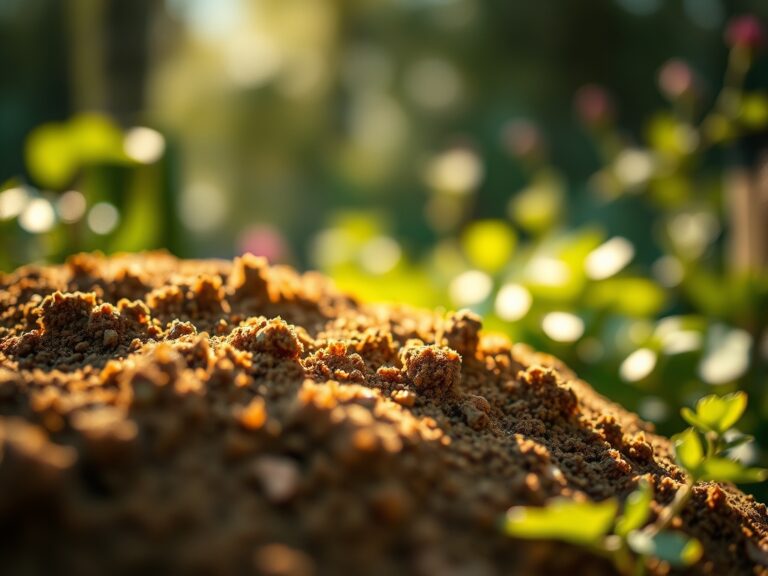
The foundation of a high-yield tea garden is a **friable loam** with a high Cation Exchange Capacity (CEC). This texture allows for rapid root penetration while maintaining moisture without saturation. You must maintain a **soil pH between 4.5 and 5.8** for acid-loving species like Camellia sinensis. If the pH rises above 6.5; the plant will suffer from iron chlorosis.
For the vegetative stage; utilize a fertilizer with an NPK ratio of 10-5-5. Nitrogen is the primary driver of leaf production. During the establishment phase; transition to a 5-10-10 ratio to prioritize root development and lignification of the stems. Incorporate organic matter such as pine bark or elemental sulfur to maintain acidity. Ensure your substrate contains at least 5 percent organic matter to support the microbial communities necessary for nutrient cycling.
Timing:
Timing is dictated by the thermal requirements of your specific cultivars. Most tea-producing plants thrive in USDA Hardiness Zones 7 through 9. You must schedule your planting window for the early spring; specifically two to four weeks after the last frost date. This allows the root system to establish before the heat of the summer increases the rate of evapotranspiration.
The biological clock of the plant is governed by the photoperiod. As days lengthen; the plant transitions from winter dormancy into a vigorous vegetative stage. Avoid transplanting during the reproductive stage when the plant is diverting energy to flower and seed production. Monitoring the Growing Degree Days (GDD) helps predict the first "flush" of new growth; which typically occurs when soil temperatures consistently reach 55 degrees Fahrenheit.
Phases:

Sowing and Stratification
Starting from seed requires a cold stratification period of 60 to 90 days at temperatures between 35 and 40 degrees Fahrenheit. This process breaks the seed's physiological dormancy by mimicking winter conditions. Sow seeds 1 inch deep in a sterile starting mix.
Pro-Tip: Maintain consistent moisture to prevent the seed coat from hardening. This ensures the emerging radicle can penetrate the substrate without exhausting its stored starch reserves.
Transplanting
When seedlings reach 6 inches in height and have developed at least two sets of true leaves; they are ready for the field. Dig a hole twice the width of the root ball. Position the crown exactly at the soil line to prevent stem rot. Space plants 3 to 5 feet apart to allow for adequate air circulation.
Pro-Tip: Inoculate the planting hole with mycorrhizal fungi. This symbiotic relationship expands the surface area of the root system; significantly increasing the plant's ability to uptake phosphorus and water.
Establishing and Pruning
During the first two years; focus on structural pruning. Use a hori-hori knife to remove weeds that compete for nutrients. Cut back the main leader to 12 inches to encourage lateral branching. This creates a "plucking table" that makes future harvests more efficient.
Pro-Tip: Practice apical dominance suppression by pinching off the terminal buds. This redirects auxins to the lateral buds; resulting in a bushier plant with more harvestable leaf nodes.
The Clinic:
Physiological disorders often stem from environmental stressors rather than pathogens. Observe the foliage closely for signs of distress.
-
Symptom: Interveinal chlorosis (yellowing between leaf veins while veins remain green).
Solution: This indicates a Magnesium or Iron deficiency caused by high pH. Apply chelated iron or magnesium sulfate (Epsom salts) to the soil.
Fix-It: Lower the soil pH immediately using elemental sulfur or aluminum sulfate. -
Symptom: Marginal leaf burn or browning at the tips.
Solution: This is often a sign of Potassium deficiency or salt accumulation from over-fertilization.
Fix-It: Flush the soil with 3 inches of water to leach excess salts and apply a high-potash organic fertilizer. -
Symptom: Wilting despite moist soil.
Solution: This suggests Root Rot (Phytophthora) caused by poor drainage.
Fix-It: Improve soil porosity by adding perlite or coarse sand and elevate the planting bed by 6 inches.
Maintenance:
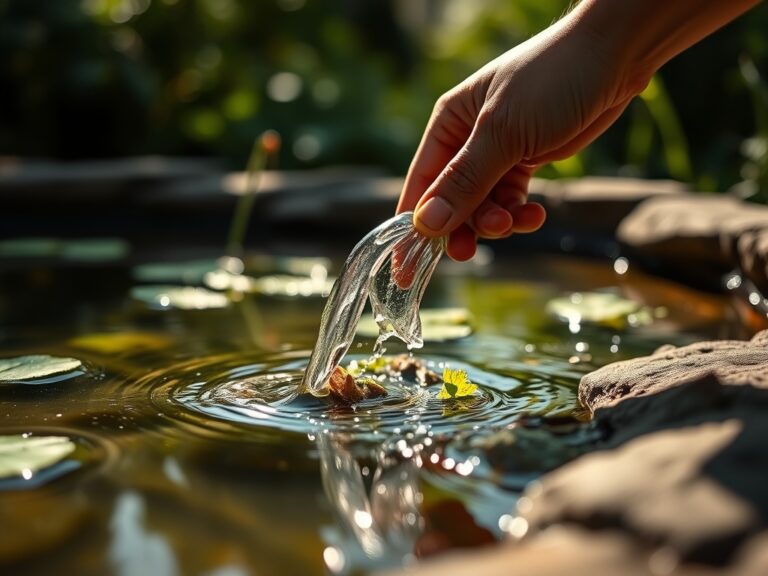
Precision is the difference between a surviving plant and a thriving one. Deliver 1.5 inches of water per week at the drip line; not the trunk. Use a soil moisture meter to ensure the root zone remains at 60 to 70 percent field capacity. Over-watering leads to anaerobic conditions that kill beneficial aerobic bacteria.
Maintain a 3-inch layer of acidic mulch; such as pine needles; to suppress weeds and regulate soil temperature. Use bypass pruners for all cuts to ensure clean wounds that heal quickly. Sterilize your tools with 70 percent isopropyl alcohol between plants to prevent the mechanical transmission of pathogens. Every three years; conduct a professional soil test to recalibrate your NPK and micronutrient applications.
The Yield:
Harvesting; or plucking; begins once the plant is three years old. The highest quality tea comes from the "fine pluck"; which consists of the terminal bud and the first two leaves. Use your thumb and forefinger to snap the stem cleanly. Do not pull; as this can damage the vascular tissue of the remaining branch.
Harvest in the early morning after the dew has evaporated but before the sun reaches its zenith. This timing ensures the highest concentration of L-theanine. Immediately spread the leaves in a thin layer in a cool; shaded area. This prevents heat buildup from cellular respiration; which causes the leaves to wilt prematurely and lose their chemical integrity. For "day-one" freshness; process the leaves within two to four hours of harvest.
FAQ:
What is the best soil for a tea garden?
The ideal substrate is a friable loam with a pH between 4.5 and 5.8. It must have high organic matter and excellent drainage to prevent root rot while maintaining consistent moisture levels for the rhizosphere.
How much sun does a tea plant need?
Camellia sinensis requires 6 to 8 hours of filtered sunlight. In hotter climates; provide afternoon shade to prevent leaf scorch and reduce transpirational stress. Total shade will result in spindly growth and low polyphenol content.
When should I fertilize my tea plants?
Apply a high-nitrogen fertilizer in early spring as new growth begins. Follow with a balanced application in mid-summer. Avoid fertilization in late autumn to prevent new growth that could be damaged by winter frosts.
Can I grow tea in a container?
Yes; use a 10 to 15-gallon container with drainage holes. Utilize an ericaceous potting mix designed for acid-loving plants. Monitor moisture levels daily; as containers lose water faster than in-ground plantings.