7 Easy Ways How to Build Cold Frames
The first frost warning arrives, and tender seedlings face certain death without protection. A cold frame extends your growing season by 6 to 8 weeks on either end, capturing solar radiation during the day and insulating crops at night. Learning how to build cold frames transforms a gardener's relationship with climate, turning marginal spring and fall days into productive growing windows. The structure is simple: a bottomless box with a transparent lid angled toward the sun.
Materials
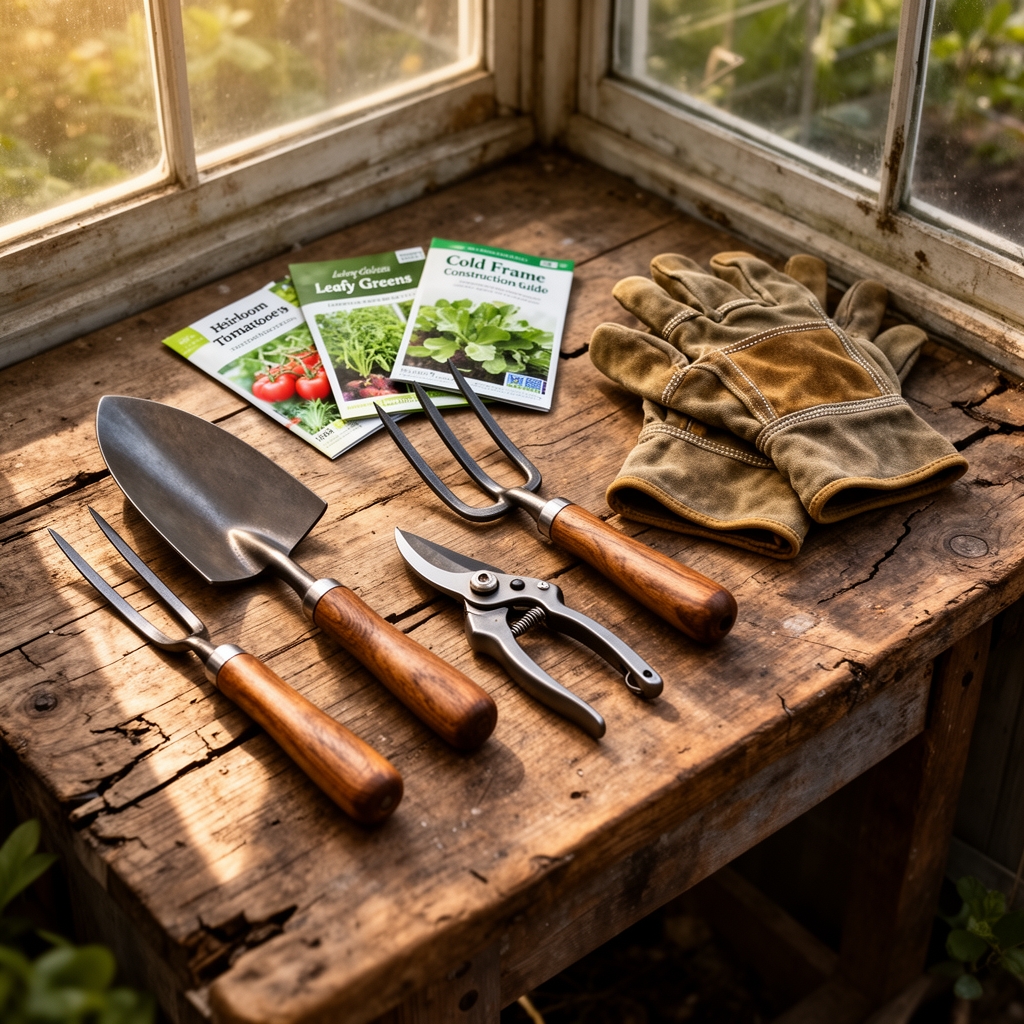
Select rot-resistant lumber for the frame walls. Cedar and redwood contain natural preservatives with pH-neutral properties that won't leach compounds into surrounding soil. Untreated pine costs less but requires annual replacement in moist climates. Dimensions should measure 3 feet wide by 6 feet long, with the back wall at 18 inches and the front at 12 inches to create proper solar angle.
The glazing layer determines heat retention. Polycarbonate panels provide superior insulation with R-values near 1.7, while standard glass offers only R-0.9 but lasts decades. Recycled window sashes work well if frames remain square and glass stays intact. Avoid acrylic sheets in high-wind zones due to brittleness below 20°F.
Hardware requirements include brass hinges resistant to moisture corrosion, a vent prop to prevent overheating, and corner brackets for structural integrity. Apply a 3-inch base layer of coarse sand beneath the frame to improve drainage and maintain stable cation exchange capacity in the root zone. Amend planting beds inside with compost at a 4-4-4 NPK ratio, providing balanced nutrition without excessive nitrogen that promotes weak, frost-sensitive growth.
Timing
Cold frames function optimally across USDA Hardiness Zones 3 through 8. In Zone 5, install frames 4 weeks before the average last spring frost, typically mid-March. This allows soil warming to begin while outdoor temperatures still dip into the 20s at night.
Fall installations should occur 6 weeks before the first frost date. Zone 6 gardeners target late August for establishment, ensuring crops mature before diminishing solar angles in November reduce daily heat accumulation below functional thresholds.
Southern gardeners in Zones 8 and 9 use cold frames primarily for winter production. Install in October when ambient temperatures drop below 75°F, preventing heat stress on cool-season crops.
Phases
Sowing
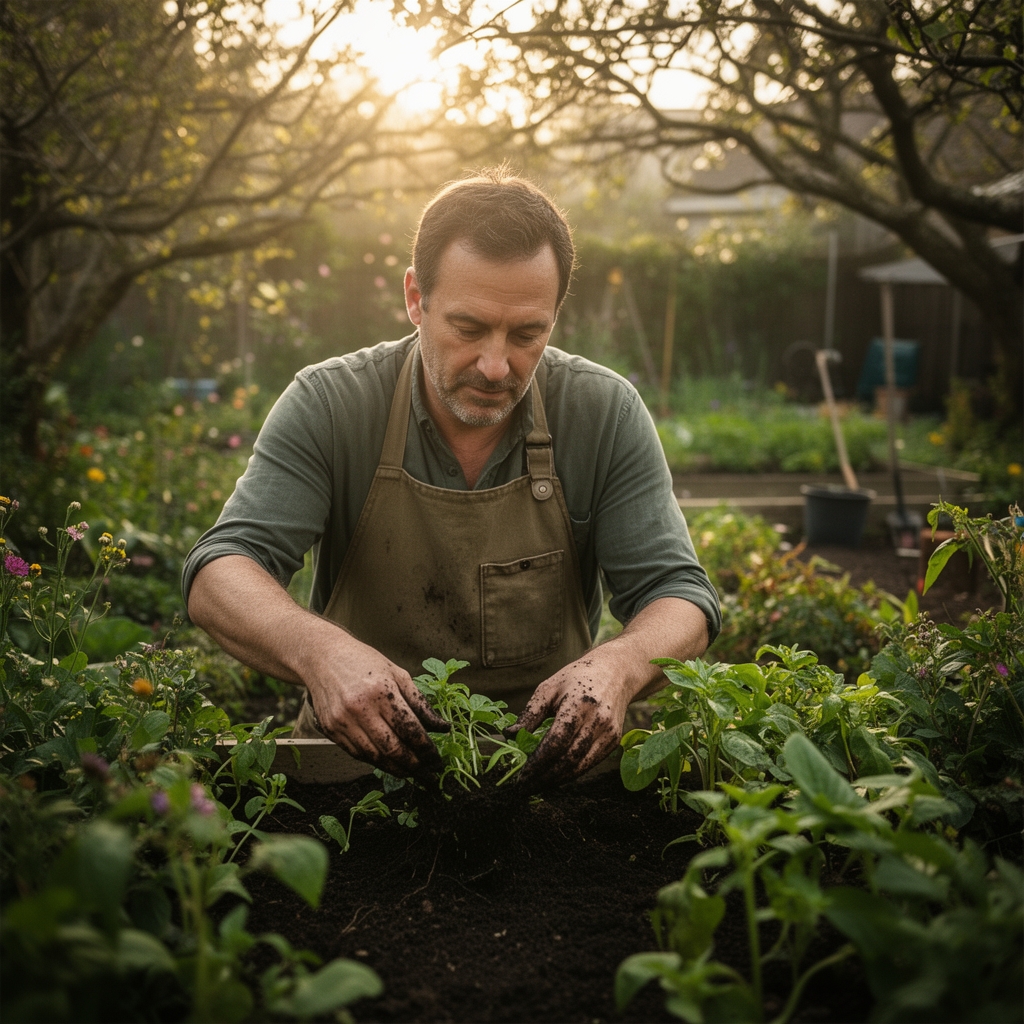
Direct-seed hardy crops into prepared beds 2 weeks after frame installation. Soil temperature should reach 45°F at 2-inch depth before planting spinach, lettuce, or Asian greens. Scatter seeds at twice the normal density to compensate for reduced germination rates in cool conditions.
Pro-Tip: Inoculate seeds with mycorrhizal fungi before sowing. This symbiotic relationship enhances phosphorus uptake in cold soils where nutrient mobility drops significantly. Mix 1 teaspoon of inoculant per 100 seeds.
Transplanting
Move seedlings started indoors into the cold frame when they develop two true leaves. Harden off plants by opening the lid progressively over 5 days, starting with 2 hours of exposure and adding 90 minutes daily. Plant at the same depth as container soil level to avoid disturbing auxin distribution in stem tissue.
Pro-Tip: Transplant during overcast conditions or after 4 p.m. to minimize transplant shock. Water with a solution containing 1 tablespoon kelp extract per gallon to stimulate root initiation through natural cytokinins.
Establishing
Monitor internal temperature daily during the establishment period. Prop the lid open when interior readings exceed 70°F, even if outdoor air sits at 40°F. Excessive heat disrupts photosystem II efficiency and causes premature bolting in leafy crops.
Pro-Tip: Install a maximum-minimum thermometer to track temperature swings. If nighttime lows inside the frame drop below 28°F, drape row cover directly over plants. This secondary barrier adds 4 to 6 degrees of protection without reducing light transmission significantly.
Troubleshooting
Symptom: Leggy seedlings with pale leaves and elongated internodes.
Solution: Inadequate light reaching plants. Clean glazing to remove dust and algae film. Reduce plant density by 30 percent to improve light penetration to lower leaves.
Symptom: Damping-off disease causing seedling collapse at soil line.
Solution: Excessive moisture and poor air circulation. Water only in morning hours. Sprinkle milled sphagnum moss around seedling bases to suppress Pythium and Rhizoctonia fungi.
Symptom: Aphid colonies clustering on growing tips.
Solution: Cold frames create ideal aphid habitat with reduced predator access. Release lacewing larvae at 10 per square foot. Apply insecticidal soap at 2 percent concentration if populations exceed 20 aphids per plant.
Symptom: Leaf margins turning brown and crispy.
Solution: Salt accumulation from overfertilization in enclosed environment. Flush soil with 2 gallons of water per square foot. Resume feeding at half-strength with a 2-3-3 formula.
Maintenance
Vent the cold frame whenever internal temperature climbs above 65°F. This typically occurs by 10 a.m. on sunny days, even when outdoor air remains at 45°F. Close vents by 3 p.m. to trap heat for nighttime retention.
Water plants when the top inch of soil feels dry to touch. Apply 1 inch of water weekly, measured with a rain gauge placed inside the frame. Cold conditions slow evapotranspiration rates by 40 percent compared to summer norms.
Remove snow accumulation from glazing within 2 hours of storms ending. Weight exceeding 15 pounds per square foot cracks polycarbonate and shatters glass panels.
Replace weatherstripping around the lid annually each spring. Gaps larger than 1/8 inch allow heat loss equivalent to removing 20 percent of the glazing area.
FAQ
How deep should a cold frame be?
Back wall height of 18 inches accommodates mature lettuce and spinach while maintaining proper solar angle. Front wall at 12 inches creates a 10-degree slope for optimal light capture at 40° latitude.
Can I use a cold frame in summer?
Remove or prop the lid fully open. The structure provides wind protection for young transplants while allowing full ventilation. Avoid enclosed use above 75°F ambient temperature.
What crops work best in cold frames?
Hardy greens tolerate internal temperatures of 25°F: spinach, kale, mache, claytonia, arugula, and Asian mustards. Avoid fruiting crops requiring insect pollination.
How much warmer is a cold frame than outside air?
Expect 15 to 25 degrees of heat gain during sunny days. Nighttime temperatures run 5 to 10 degrees warmer than ambient air with the lid closed.
Do cold frames need artificial heat?
Passive solar gain suffices in Zones 5 and warmer. Add a thermostatically controlled heating cable set to 35°F for Zone 4 winter production.