7 Simple Steps to Check Ladder Hinges
Damp earth releases a sharp, geosmin scent when the spade pierces the rhizosphere. A healthy plant maintains high turgor pressure; its cellular walls remain rigid and upright against the pull of gravity. Maintaining an orchard or a vertical garden requires more than just soil science; it requires structural safety. Before ascending to prune the canopy, you must master the steps to check ladder hinges to ensure mechanical stability. A failure in the locking mechanism during a high-reach harvest is as catastrophic as a root rot infestation in a prized specimen.
Stability begins at the ground level where the ladder feet meet the friable loam. If the hinges are fouled with grit or oxidation, the lateral force of a climber can cause a shear failure. We approach ladder maintenance with the same clinical precision used to calibrate a pH meter. Every pivot point must move without resistance, and every locking pawl must seat with an audible, metallic snap. This protocol ensures that your focus remains on the botanical task at hand rather than the physics of a fall.
Materials:
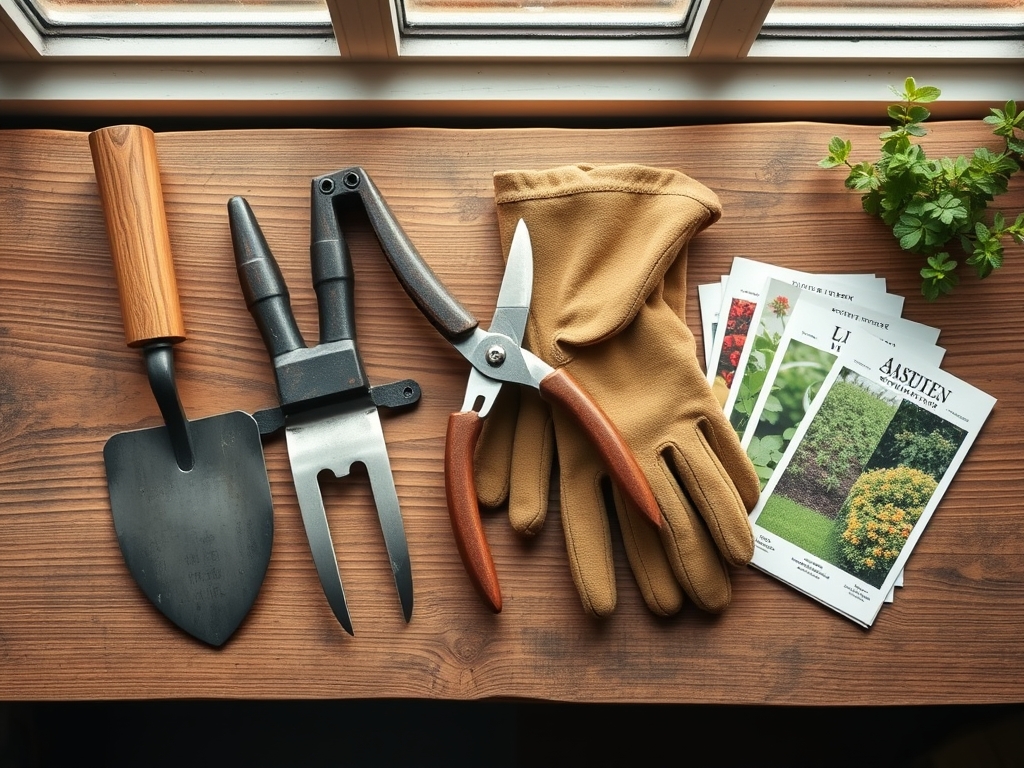
While the ladder is a mechanical tool, its environment is strictly biological. The ideal substrate for ladder placement is a **well-draining, friable loam** with a **pH between 6.0 and 7.0**. This soil density provides the necessary resistance to prevent the ladder rails from sinking unevenly. For the maintenance of the hinges themselves, you require specific inputs:
* **Dry Graphite Lubricant:** Unlike oils, graphite does not attract dust or pollen, preventing the buildup of abrasive paste.
* **Stainless Steel Brush:** Used to remove oxidation without introducing reactive metallic ions to the hinge assembly.
* **Nitrogen-Rich Cleaning Agent:** A mild surfactant to strip organic resins and sap from the metal surfaces.
* **Microfiber Cloth:** To ensure no lint remains to trap moisture, which could lead to localized corrosion.
Timing:
The timing of ladder inspection aligns with the Biological Clock of the garden. In Hardiness Zones 5 through 8, the primary window for heavy ladder use occurs during the transition from the vegetative stage to the reproductive stage. This usually falls between the last frost date in late April and the peak harvest in September.
During the photoperiod shifts of autumn, as trees enter senescence, the wood becomes more brittle and the need for precision pruning increases. Perform a comprehensive hinge check before the first frost, as cold temperatures can cause metal contraction and exacerbate existing hairline fractures. A secondary check is mandatory in the spring when humidity levels rise, potentially accelerating oxidation on steel components.
Phases:

Sowing the Inspection Foundation
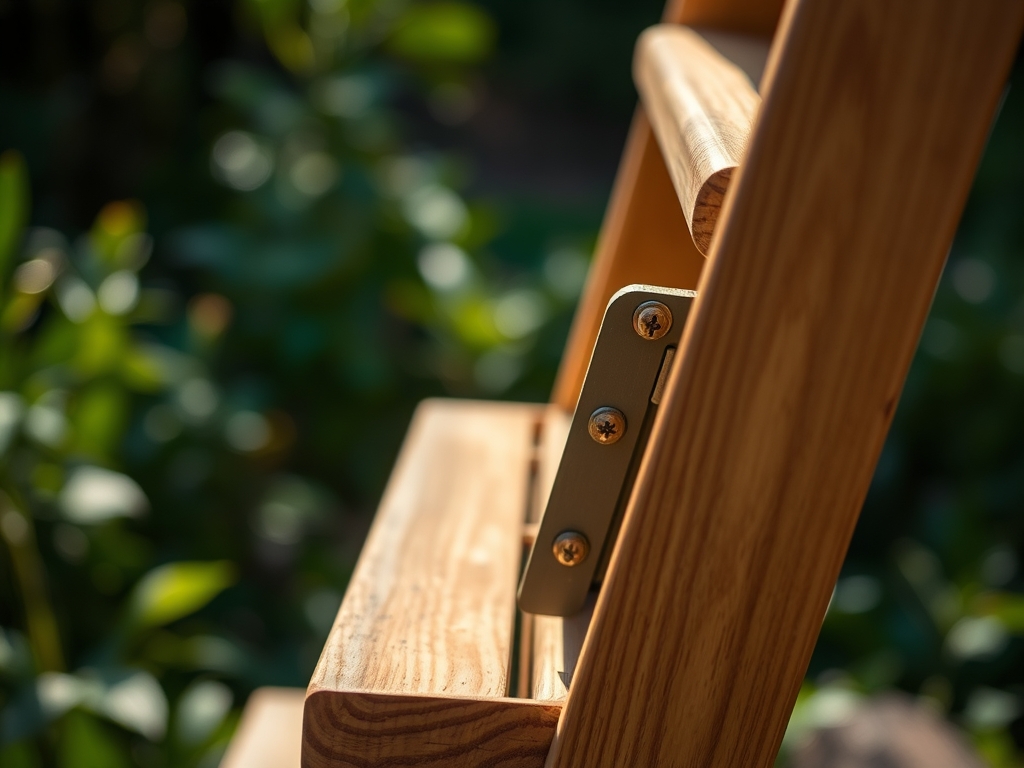
Begin by laying the ladder horizontally on a clean, dry surface. Inspect the spreader bars and the pivot pins. Look for "slop" or excessive play in the joint. A gap exceeding 0.5 millimeters indicates wear that could lead to structural instability.
Pro-Tip: Just as phototropism causes a plant to lean toward light, a ladder with uneven hinge wear will lean under load. Checking for symmetry ensures the center of gravity remains over the base.
Transplanting to the Vertical Plane
Stand the ladder up and engage the locking mechanism. Apply downward pressure to the first rung while observing the hinge. There should be zero vertical movement within the joint. If the hinge "walks" or shifts, the internal bushings have reached the end of their service life.
Pro-Tip: This phase mimics the establishment of mycorrhizal symbiosis. The connection between the ladder segments must be as seamless as the interface between fungal hyphae and root hairs to facilitate the safe transfer of energy and weight.
Establishing Structural Integrity
Fully extend the ladder and engage all locks. Use a level to ensure the rungs are horizontal. If the hinges are misaligned, one rail will sit higher than the other, creating a twisting force known as torque. This torque can cause the ladder to "kick out" during a climb.
Pro-Tip: Inhibit auxin suppression by keeping the ladder upright and balanced. In plants, auxins regulate apical dominance; in horticulture safety, balance regulates the integrity of the vertical ascent.
The Clinic:
Even with rigorous care, mechanical systems and biological specimens face challenges. Observe the following symptoms and apply the necessary fixes.
- Symptom: Grinding noise during hinge articulation.
- Solution: This indicates particulate contamination. Flush the joint with compressed air and apply a dry lubricant.
- Symptom: Discoloration or "pitting" on the hinge plate.
- Solution: This is the mechanical equivalent of Nitrogen chlorosis. The metal is starving for protection. Scour the oxidation and apply a zinc-rich cold galvanizing spray.
- Symptom: The locking pawl fails to seat automatically.
- Solution: The internal spring has lost its turgor. Replace the spring immediately; do not attempt to "bend" it back into shape.
Fix-It for Nutrient Deficiencies: If your garden soil shows signs of low Cation Exchange Capacity (CEC), your ladder storage area may also be prone to high humidity. Improve drainage in the shed and store the ladder off the ground to prevent galvanic corrosion between the metal and the soil.
Maintenance:
Precision maintenance extends the life of your tools and your plants. After every use in the orchard, wipe down the ladder hinges to remove fruit sugars and acidic saps. These organic compounds can etch the metal over time.
Use a soil moisture meter to check the ground before setting up. Never place a ladder on soil with a moisture reading above 80 percent, as the risk of "sinkage" is too high. For pruning, use high-quality bypass pruners or a hori-hori knife for smaller tasks, ensuring you never overreach. If you must reach more than 12 inches outside the ladder rails, descend and move the ladder. Apply 1.5 inches of water per week at the drip line of your trees to ensure the root systems are strong enough to support the weight of a ladder leaning against the trunk if necessary.
The Yield:
A well-maintained ladder yields a safe harvest. When picking pome fruits or stone fruits, timing is dictated by the conversion of starches to sugars. Use the ladder to reach the "king fruit" at the top of the cluster. Handle the fruit with the pads of your fingers to avoid bruising the delicate epidermis. Post-harvest, keep the produce at a constant 34 to 38 degrees Fahrenheit to slow the respiration rate and maintain "day-one" freshness. Your safety during this process is entirely dependent on the seven steps to check ladder hinges performed earlier in the season.
FAQ:
How often should I lubricate ladder hinges?
Lubricate hinges every six months or after exposure to heavy rain. Use dry graphite to prevent the accumulation of grit and organic debris. This maintains smooth articulation without attracting abrasive particles that cause mechanical wear.
Can I use WD-40 on my ladder hinges?
Avoid standard WD-40 as it acts as a solvent and attracts dust. Use a silicone-based or dry graphite spray. These specialized lubricants provide a protective barrier without creating a sticky residue that compromises the locking mechanism.
What is the "Three-Point Contact" rule?
Always maintain three points of contact: two feet and one hand, or two hands and one foot. This ensures stability if a hinge shifts. Never stand on the top two rungs, as this shifts the center of gravity dangerously high.
How do I identify a hairline fracture in a hinge?
Clean the hinge with a surfactant and inspect it under bright light. Look for thin, jagged lines that disrupt the reflection of the metal. If a crack is found, the ladder must be decommissioned immediately to prevent structural failure.