10 Best Staples for Garden Fabric
The scent of damp, anaerobic earth rising from a freshly turned bed signals the start of the primary planting season. Success in the field depends on the structural integrity of your weed suppression systems; specifically, the anchoring of geotextiles against wind shear and soil heave. Selecting the best staples for garden fabric ensures that your barrier remains flush with the soil surface, preventing light penetration that triggers weed seed germination. A loose fabric allows for moisture evaporation and disrupts the thermal regulation of the upper rhizosphere. Securing these barriers with heavy duty steel pins maintains the necessary turgor pressure in your crops by stabilizing the microclimate of the root zone.
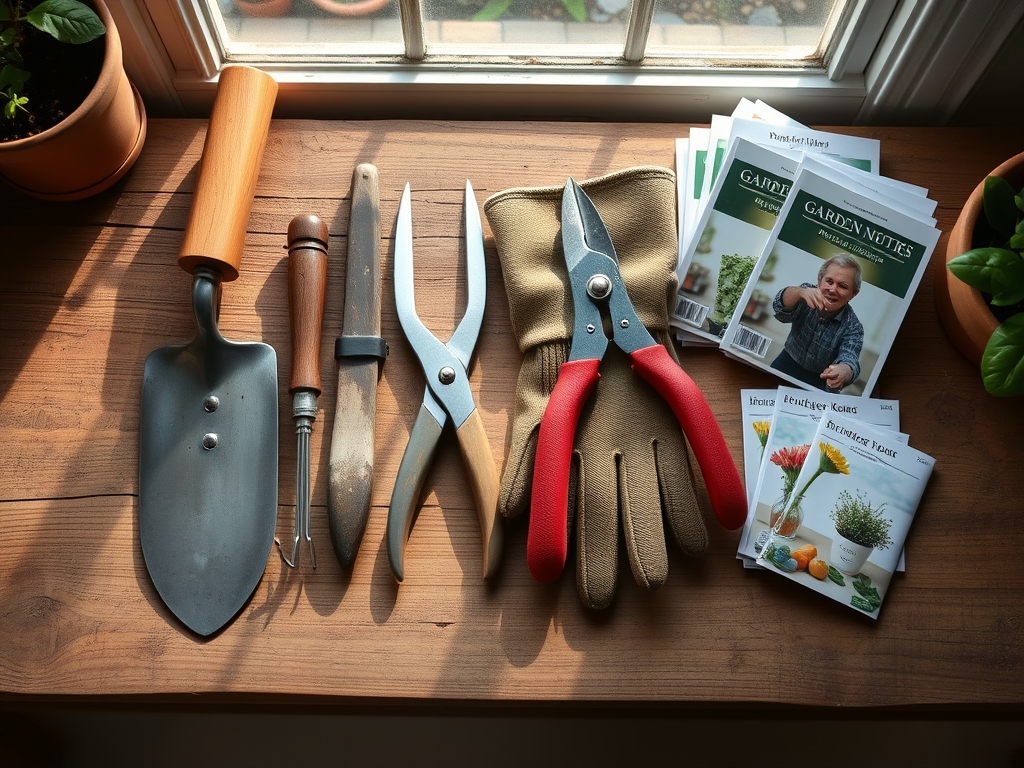
Materials:
The performance of garden staples is dictated by the Cation Exchange Capacity (CEC) and the pH of your substrate. In a **friable loam** with a pH range of **6.2 to 6.8**, standard 11 gauge steel staples provide sufficient friction. However, in acidic soils (pH below 5.5), galvanized or polymer coated staples are required to resist rapid oxidation.
For optimal plant health, the substrate beneath the fabric should be amended based on specific NPK requirements. A baseline application of 10-10-10 is standard for general vegetable production, while heavy feeders like Brassicas require a higher nitrogen ratio such as 15-5-10 to support early leaf development. If the soil test indicates low phosphorus, a 5-20-10 starter fertilizer should be incorporated into the top 3 inches of soil before the fabric is pinned down. High CEC soils, typically those with higher clay or organic matter content, will retain these nutrients longer than sandy soils, which require more frequent, low dose applications to prevent leaching.
Timing:
Installation must align with your USDA Hardiness Zone and local frost dates. In Zones 5 through 7, fabric should be laid at least two weeks before the last expected frost to allow the soil temperature to stabilize. This pre-heating phase accelerates the transition from the vegetative stage to the reproductive stage by increasing microbial activity in the soil.
The biological clock of the plant is sensitive to soil temperature; for example, Solanaceous crops require a consistent soil temperature of 65 degrees Fahrenheit for optimal root development. Installing the best staples for garden fabric during the early spring window ensures the barrier is taut before the photoperiod extends beyond 12 hours, which is when most weed species initiate rapid growth. Monitor the soil moisture meter to ensure the substrate is at 60 percent field capacity before sealing the bed with fabric.
Phases:
Sowing
When sowing seeds through garden fabric, use a hori-hori knife to create precise "X" incisions. This minimizes the disturbance of the soil structure and prevents the exposure of dormant weed seeds to light. Ensure the staple placement is within 3 inches of the incision to prevent the fabric from flapping and damaging delicate hypocotyls.
Pro-Tip: Proper spacing prevents auxin suppression. When plants are overcrowded, the shade avoidance response triggers an overproduction of auxins, leading to "leggy" growth and reduced structural integrity.
Transplanting
For transplants, the hole must be deep enough to accommodate the entire root ball without "J-rooting." After placing the plant, firm the soil to eliminate air pockets and pin the fabric tightly around the stem base. Use 6-inch staples in loose soil and 4-inch staples in compacted or rocky clay to ensure a permanent hold.
Pro-Tip: Maintaining close contact between the soil and the fabric encourages mycorrhizal symbiosis. This fungal network extends the reach of the root system, improving the uptake of phosphorus and water.
Establishing
During the establishment phase, the plant focuses on root expansion. Monitor the tension of your fabric staples weekly. Soil expansion from heavy rains can push staples upward, a phenomenon known as frost heave or soil cycling. Re-seat any loose pins to maintain the barrier's integrity.
Pro-Tip: Consistent fabric tension supports phototropism. By eliminating ground level reflections and light leaks, the plant can more efficiently orient its foliage toward the primary light source for maximum photosynthesis.
The Clinic:
Physiological disorders often stem from poor soil management beneath the fabric.
Symptom: Interveinal chlorosis (yellowing between leaf veins).
Solution: This typically indicates a magnesium deficiency or a pH imbalance. Test the soil; if pH is above 7.0, the plant cannot uptake micronutrients.
Fix-It: Apply a foliar spray of magnesium sulfate at a rate of 1 tablespoon per gallon of water to bypass soil lockout.
Symptom: Blossom end rot in tomatoes or peppers.
Solution: This is caused by localized calcium deficiency due to inconsistent moisture levels.
Fix-It: Use a soil moisture meter to ensure the root zone stays at a consistent 70 percent saturation. Avoid heavy nitrogen applications which can exacerbate the issue.
Symptom: Purpling of lower leaves.
Solution: This is a classic sign of phosphorus deficiency, often occurring in cold soils where nutrient mobility is low.
Fix-It: Increase soil temperature by using black plastic or fabric, and ensure staples are tight to trap ground heat.
Maintenance:
Precision is the hallmark of a professional garden. Use a soil moisture meter daily to ensure the crop receives exactly 1.5 inches of water per week delivered at the drip line. This prevents moisture from sitting on the foliage, which reduces the risk of fungal pathogens.
Keep your bypass pruners sharp and disinfected with a 10 percent bleach solution between plants to prevent the spread of systemic viruses. If the fabric begins to sag, use additional best staples for garden fabric to re-tension the material. Inspect the perimeter of the fabric for "piping," where water erodes small channels under the barrier; fill these with additional loam and secure with 8-inch heavy duty pins.
The Yield:
Harvesting should occur during the period of maximum turgor, usually just before sunrise. This is when the plant's cells are most hydrated, ensuring a crisp texture and longer shelf life. For leafy greens, use a sharp blade to cut 1 inch above the soil surface to allow for regrowth.
Post-harvest handling is critical for maintaining "day-one" freshness. Immediately submerge harvested produce in 40 degree Fahrenheit water to remove field heat and slow the rate of senescence. For flowers, a clean cut at a 45 degree angle with a hori-hori knife increases the surface area for water uptake, extending the primary display life.
FAQ:
What is the best gauge for garden staples?
For most soil types, 11 gauge steel is the professional standard. It provides the necessary rigidity to penetrate compacted clay without bending while offering enough surface area to grip loose, sandy substrates effectively.
How far apart should I space fabric staples?
Space staples every 12 to 24 inches along the perimeter and every 3 feet in the center. In high wind areas or sloped terrain, increase the frequency to every 12 inches to prevent wind uplift and fabric shifting.
Can I reuse garden staples next season?
Yes, provided they are not severely corroded. Clean them with a wire brush and soak in a 10 percent bleach solution to kill soil-borne pathogens. Discard any staples that have lost structural integrity or show significant thinning from rust.
Will staples rust in the soil?
Plain steel staples will oxidize over time, which actually increases their "holding power" by creating a rougher surface. However, in highly acidic soils, use galvanized or stainless steel pins to prevent the staples from disintegrating within a single season.