7 Sharp Ways How to Sharpen a Lawn Edger
The scent of crushed chlorophyll and damp, friable earth signals a successful cut; however, a dull blade tears the grass blades rather than slicing them. This mechanical trauma forces the plant to divert energy from root development to wound healing. To maintain high turgor pressure and prevent the entry of fungal pathogens, you must master how to sharpen a lawn edger. A clean edge ensures the rhizosphere remains undisturbed and the aesthetic boundary between turf and mulch remains crisp.
Materials:
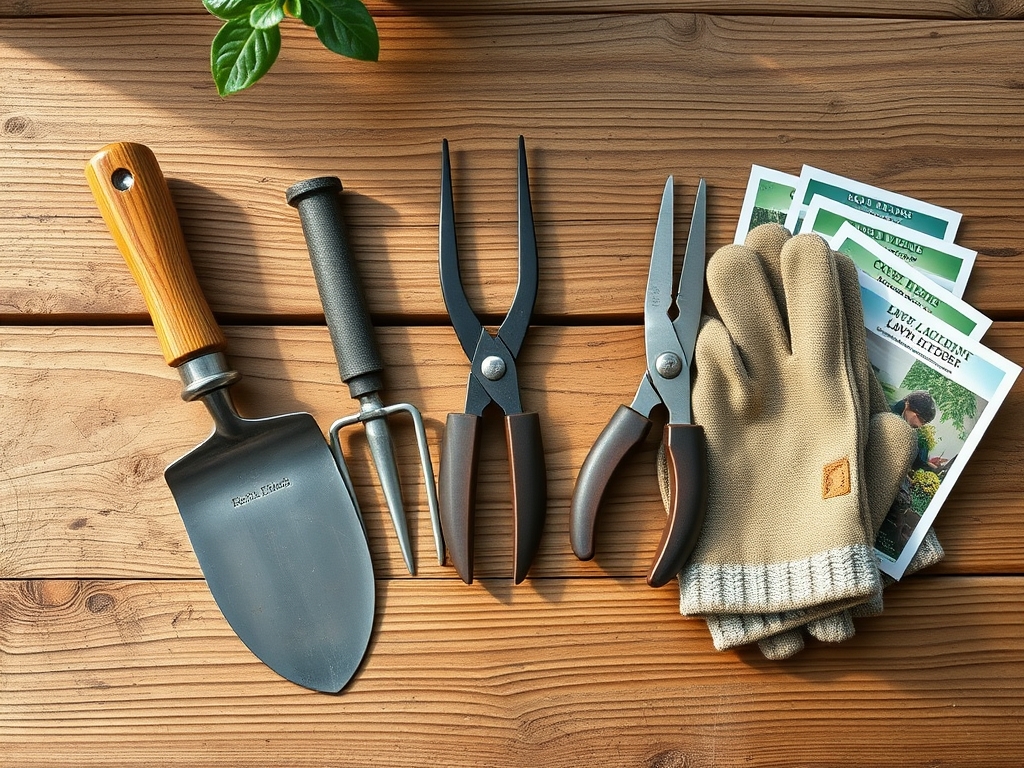
Before addressing the steel, ensure your soil is prepared to receive a clean cut. Ideal turf growth occurs in **friable loam** with a **pH between 6.2 and 7.0**. This acidity range optimizes the **Cation Exchange Capacity (CEC)**, allowing for the efficient uptake of nutrients. For high-traffic edges, maintain an **NPK ratio of 4-1-2** during the peak growing season. You will need a **10-inch mill bastard file**, a **bench grinder with a 60-grit wheel**, safety goggles, and a **wire brush** to remove calcified soil and organic debris from the blade surface.
Timing:
Sharpening should occur before the first flush of spring growth, typically when soil temperatures reach a consistent 55 degrees Fahrenheit. In Hardiness Zones 5 through 7, this window opens between late March and mid-April. This timing aligns with the plant's biological clock as it transitions from winter dormancy to the vegetative stage. Sharpening during this transition prevents excessive moisture loss through ragged leaf tips during the high-evapotranspiration periods of early summer. Avoid sharpening or edging during the senescence phase in late autumn, as the plant requires maximum leaf surface area to store carbohydrates in the root system for winter survival.
Phases:

Sowing the Foundation: Cleaning and Inspection
Begin by disconnecting the spark plug wire to prevent accidental ignition. Use a wire brush to scrub the blade until the bare steel is visible. Inspect the metal for stress fractures or significant gouges. If the blade has lost more than 20 percent of its original mass, replace it to maintain rotational balance.
Pro-Tip: Removing organic buildup prevents the harboring of anaerobic bacteria. This practice protects the mycorrhizal symbiosis in the soil by ensuring that no pathogens are mechanically injected into the root zone during the next edging cycle.
Transplanting the Edge: Grinding and Filing
Secure the blade in a heavy-duty vise. If using a bench grinder, maintain the factory bevel angle, which is typically 30 to 45 degrees. Move the blade across the stone in smooth, even strokes to prevent overheating. If the steel turns blue, you have compromised the temper, making the metal brittle. For manual sharpening, use a mill bastard file, pushing in one direction away from your body.
Pro-Tip: Maintaining a precise bevel angle reduces the force required to sever plant tissue. This minimizes auxin suppression caused by mechanical stress, allowing the grass to continue lateral expansion via rhizomes or stolons without interruption.
Establishing the Finish: Honing and Balancing
After grinding, use a whetstone to remove the "burr" or wire edge from the flat side of the blade. This creates a surgical finish. Check the balance by placing the center hole of the blade on a nail or a dedicated balancing tool. If one side dips, remove more material from that end until the blade sits perfectly horizontal.
Pro-Tip: A balanced blade reduces vibration in the edger's crankshaft. High-frequency vibrations can cause soil compaction at the edge, which limits oxygen diffusion to the rhizosphere and stunts local root respiration.
The Clinic:
Physiological disorders in turf often stem from poor mechanical cuts. Observe the following symptoms to diagnose your sharpening frequency.
Symptom: White, frayed leaf tips.
Solution: This indicates the edger is shredding the vascular bundles. Sharpen the blade immediately to ensure a clean transverse cut across the xylem and phloem.
Symptom: Brown "die-back" at the turf margin.
Solution: This is often Nitrogen chlorosis exacerbated by wound stress. Apply a 24-0-4 fertilizer to boost protein synthesis and recovery, but only after ensuring the blade is sharp enough to stop further tissue tearing.
Symptom: Localized wilting despite adequate moisture.
Solution: Check for soil compaction caused by a dull, vibrating blade. Use a soil moisture meter to verify hydration levels. If the soil is wet but the plant is wilted, the root hairs may be damaged from mechanical impact.
Maintenance:
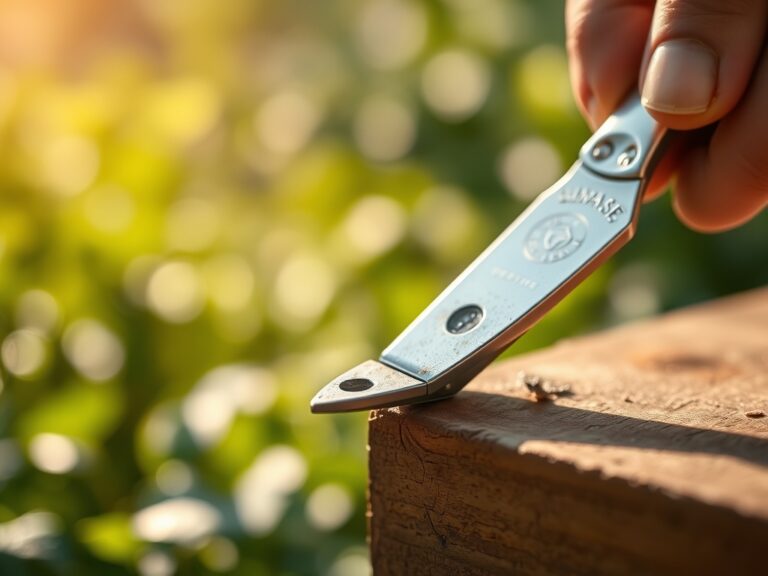
A sharp edger is only effective if the turf is biologically supported. Provide 1.5 inches of water per week, delivered in two deep sessions to encourage deep rooting. Use a hori-hori knife to manually remove tap-rooted weeds that the edger cannot reach. Every 30 days, use a soil moisture meter to check for "dry spots" along the pavement edge, where heat radiation from concrete can accelerate transpiration. Wipe the edger blade with a light coat of vegetable oil after each use to prevent oxidation and maintain the integrity of the sharpened edge.
The Yield:
While a lawn edger does not produce a harvestable crop, the "yield" is measured in the density of the turf stand and the precision of the boundary. A properly sharpened blade allows for a clean "day-one" look that lasts longer because the grass heals faster. By slicing cleanly through the stolons, you stimulate the plant to produce more lateral shoots, resulting in a thicker, more resilient turf carpet that naturally outcompetes opportunistic weed species.
FAQ:
How often should I sharpen my edger blade?
Sharpen the blade every 10 to 15 hours of operation. If you frequently strike gravel or concrete, inspect the edge for nicks after every use. A sharp blade maintains turgor pressure and prevents ragged, brown leaf tips.
Can I use a dremel tool for sharpening?
Yes, a rotary tool with a grinding attachment works for small nicks. However, a mill bastard file provides better control over the bevel angle. Consistent angles ensure the blade slices through the cellulose of the grass stem efficiently.
Why does my edger blade wear down so fast?
Rapid wear occurs when the blade frequently contacts hardscapes like sidewalks. Maintain a 0.25-inch gap between the blade and the concrete. Soil with high sand content also acts as an abrasive, dulling the steel through constant friction.
Should I oil the blade after sharpening?
Apply a thin layer of biodegradable oil to the blade. This prevents surface oxidation and rust. Protecting the steel ensures that the next cut is smooth, preventing the introduction of pathogenic spores into the freshly cut plant tissue.