5 Quick Ways How to Build Split Rails
The sharp crack of a splitting maul against seasoned wood echoes through quiet mornings when fence lines demand repair. Learning the steps to build split rails transforms raw timber into enduring barriers that age into silvered monuments of function. White oak, black locust, and eastern red cedar logs become hand-riven posts and rails through techniques unchanged since colonial settlers first cleared American hardwood forests.
Materials
Logs measuring 8 to 10 feet in length and 10 to 14 inches in diameter form the foundation. Select straight-grained specimens free of knots within the first 6 feet. White oak (Quercus alba) splits cleanly along radial rays due to its high lignin content and predictable fiber orientation. Black locust (Robinia pseudoacacia) offers superior rot resistance, with heartwood lasting 50-plus years in ground contact due to natural extractives like robinetin and dihydrorobinetin.
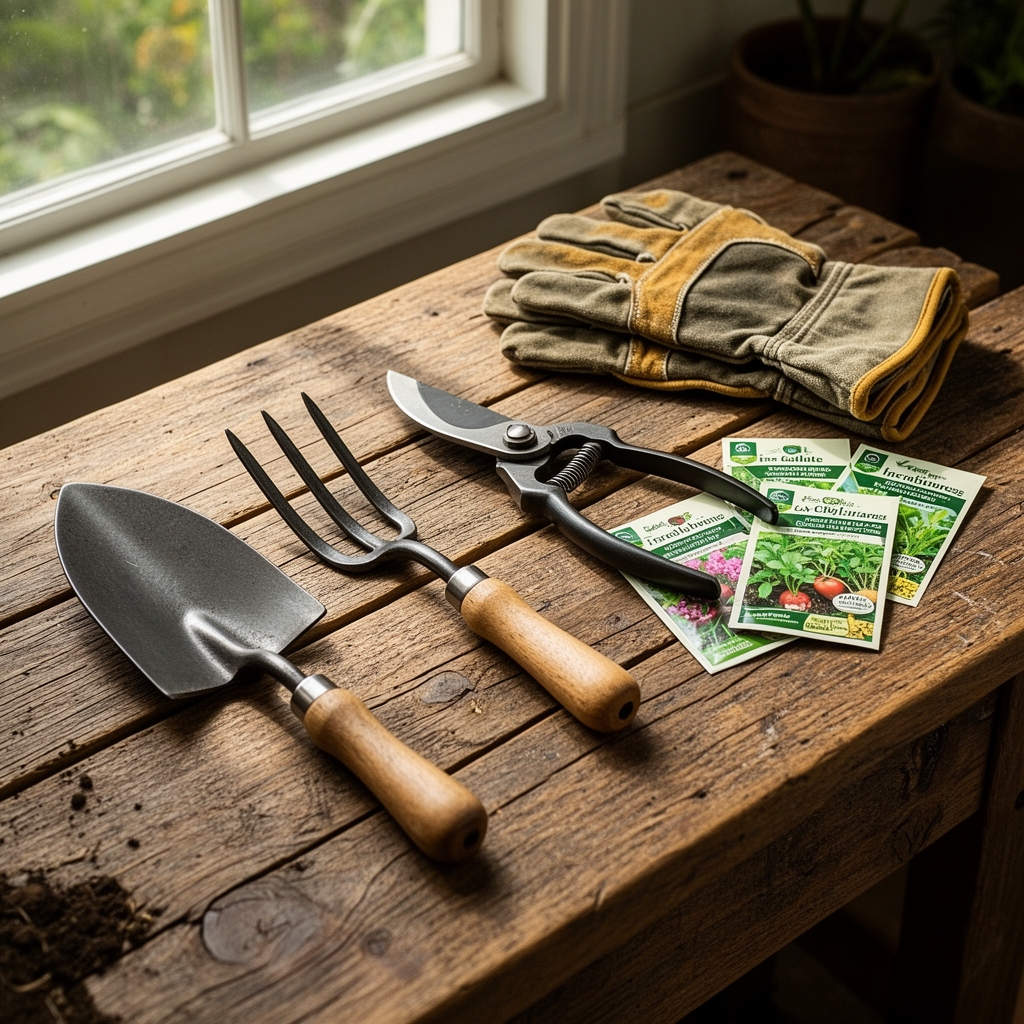
Tools include a splitting maul (8 pounds), three steel wedges, a froe (18-inch blade), and a wooden mallet. Glut wedges fashioned from dogwood (Cornus florida) drive splits without mushrooming. A drawknife removes sapwood, reducing moisture content from 60% to 20% and eliminating habitat for powder post beetles (Lyctidae family).
For post anchoring, use crushed limestone (pH 7.5-8.0) as backfill to improve drainage and discourage wood-boring larvae. Avoid nitrogen-rich amendments near fence lines. Excess nitrogen (values above 40 ppm soil nitrate) promotes rapid herbaceous growth that harbors voles and increases moisture against wood surfaces.
Timing
Execute splitting during dormant season in USDA Hardiness Zones 3-8, between November and March when sap flow ceases. Trees felled after leaf drop contain 15-20% less moisture, and frozen wood fibers separate with less tool effort. In Zone 6, target January through February when soil remains frozen but daytime temperatures reach 35-45°F for comfortable working conditions.
Allow fresh-split rails to season 6-9 months before installation. Stack horizontally with 2-inch spacers to permit air circulation on all surfaces. Equilibrium moisture content of 12-15% prevents checking and twisting after assembly.
Phases

Initial Splitting
Buck logs into 8-foot sections using a chainsaw. Identify the pith (central growth ring) and mark quartering lines radiating outward. Drive the first wedge 3 inches from one end along a radial line. Add a second wedge 18 inches further along the same plane. Strike alternately until the log halves separate.
Pro-Tip: Rub wedge faces with beeswax to reduce friction and prevent the tool from binding in compression wood zones common in leaning trees.
Quartering and Riving
Split each half into quarters by following natural ray fleck patterns visible on fresh-cut ends. Position the froe blade parallel to growth rings, never across them. Strike the froe spine with the mallet, then lever the handle downward to propagate the split. Each quarter yields 2-3 rails measuring 3-4 inches wide and 2 inches thick.
Pro-Tip: Maintain rail thickness above 1.75 inches. Thinner sections lose structural integrity as cellulose and hemicellulose degrade, reducing flexural strength by 30% over a decade.
Post and Rail Assembly
Dig post holes 30 inches deep, extending below local frost line depth. Set posts 8 feet apart on center for two-rail fences or 7 feet for three-rail configurations. Auger holes through posts at 12-inch and 36-inch heights using a 2-inch spoon bit. Insert rails through mortises, allowing 2 inches of overlap at joints.
Pro-Tip: Drill mortises at a 5-degree upward angle from horizontal. This prevents water accumulation in holes, reducing fungal colonization by Serpula lacrymans and extending post life by 40%.
Troubleshooting
Symptom: Rails twist or cup after installation, creating gaps.
Solution: Select only radially split pieces where growth rings intersect rail faces at 45-90 degrees. Tangentially split wood (flat-sawn pattern) moves twice as much across its width during humidity fluctuations.
Symptom: Carpenter ants (Camponotus spp.) excavate galleries in posts.
Solution: Remove all sapwood during initial processing. Ants colonize only wood with moisture content above 15%. Apply borate solution (disodium octaborate tetrahydrate at 1 pound per gallon) to end grain.
Symptom: Posts lean after winter freeze-thaw cycles.
Solution: Backfill holes with 6 inches of 3/4-inch crushed stone at the base before setting posts. Stone improves drainage, reducing frost heave forces. Tamp soil in 4-inch lifts around posts.
Symptom: Sapwood develops black staining within one year.
Solution: Staining indicates early soft rot decay fungi (Ascomycetes). Remove affected sapwood immediately. Future splits require complete sapwood removal before seasoning begins.
Maintenance
Inspect fence lines each April and October. Clear vegetation within 18 inches of posts to maintain air circulation and reduce moisture retention. Apply no fertilizers within 3 feet of the fence line. Phosphorus and nitrogen promote root growth that physically displaces posts and accelerates wood decomposition through increased microbial activity.
Replace individual rails when deflection exceeds 1 inch at center span under hand pressure. This indicates loss of lignin structure and compromised load-bearing capacity. Posts require replacement when probe tests (using a flathead screwdriver) penetrate more than 0.5 inches into heartwood 6 inches above grade.
Avoid power washing or surface sealants. These practices trap moisture in wood cellular structure and reduce the material's natural ability to shed water through surface checking. Natural weathering to a silver-gray patina indicates stable equilibrium with ambient humidity.
FAQ
How long do split rail fences last?
Black locust and white oak heartwood lasts 40-60 years in ground contact without treatment. Cedar posts last 20-30 years. Lifespan doubles when posts rest on stone footings above direct soil contact.
Can I use green wood immediately?
No. Green wood shrinks 8-12% radially as it dries. Install rails at 12-15% moisture content to prevent joint failure and warping.
What species split most easily?
White oak, black locust, and eastern red cedar split cleanly due to low spiral grain (less than 1-degree deviation per foot of length). Avoid elm, sycamore, and sweetgum, which have interlocking grain patterns.
Should I treat split rails chemically?
Heartwood of appropriate species contains natural extractives providing decay resistance. Chemical treatments are unnecessary and prevent the development of protective surface patina.
How do I prevent rot at ground contact?
Char post ends at 400°F for 3 minutes to create a carbon layer that resists moisture absorption, or set posts on flat stones 2 inches above grade and backfill with gravel.