10 Pro Tips How to Grow Neon Pothos Plants
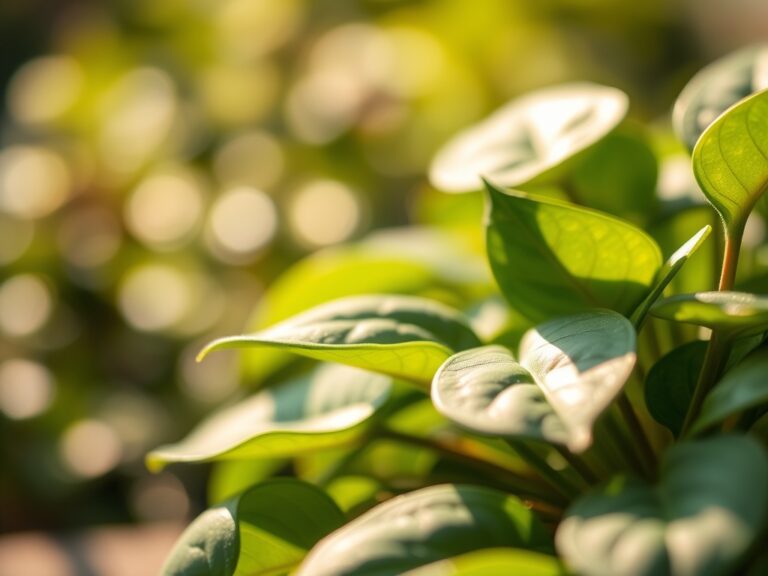
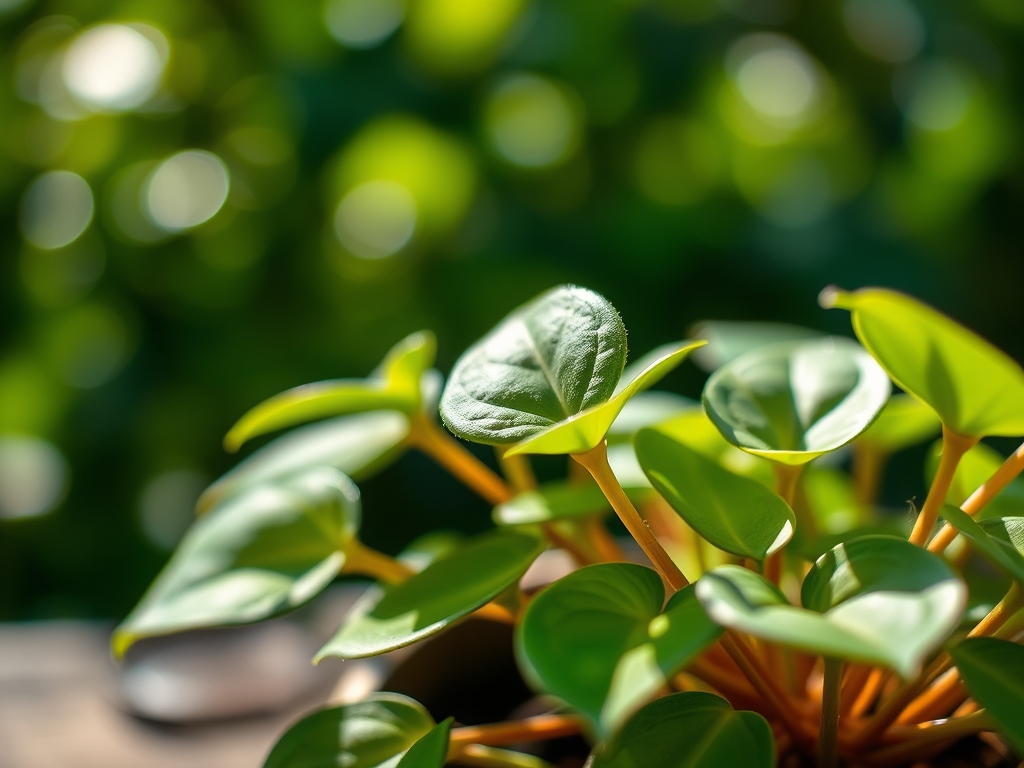
Neon pothos (Epipremnum aureum 'Neon') trails electric chartreuse foliage across shelves and walls, demanding less fuss than most houseplants while delivering outsized visual impact. Learning how to grow neon pothos plants begins with understanding their epiphytic heritage: they evolved clinging to rainforest trees in French Polynesia, where filtered canopy light and high humidity shaped their tolerance for indoor neglect. The luminous yellow-green leaves contain lower chlorophyll concentrations than standard pothos, making light management critical to preserving that signature fluorescent coloration.
Materials

Select a potting mix with pH 6.1–6.5 and cation exchange capacity above 12 meq/100g. Combine two parts peat moss or coco coir with one part perlite and one part orchid bark to mimic the chunky, aerated substrate these aroids encounter on tree bark. A 4-4-4 organic fertilizer (bloodmeal, bonemeal, kelp) supplies balanced macronutrients without the salt accumulation of synthetics. Incorporate 10% worm castings by volume to introduce beneficial microbes and humic acids.
Containers require drainage holes. Terracotta breathes but demands more frequent watering; glazed ceramic or plastic retains moisture longer. For propagation, keep sterile pruning shears, rooting hormone with 0.1% indole-3-butyric acid (IBA), and glass jars for water rooting. A moisture meter eliminates guesswork in the root zone.
Mycorrhizal fungi inoculants (Glomus intraradices) colonize pothos roots, extending phosphorus uptake by up to 30%. Mix one teaspoon of spore powder per gallon of substrate during potting.
Timing
Neon pothos thrive in USDA Hardiness Zones 10–12 outdoors but adapt to any indoor climate year-round. Initiate new cuttings or repotting in late spring (April through June in the Northern Hemisphere) when lengthening photoperiods trigger faster auxin distribution and root development. Avoid transplanting during winter dormancy when metabolic rates drop by half.
Indoor growers face no frost constraints but should align fertilization with the growing season. Begin feeding in March and taper off by October. The plant's circadian rhythm responds to natural light cues even through windows, so autumn marks a physiological slowdown despite stable indoor temperatures.
Phases

Propagation: Cut four-inch stem sections below a node, where adventitious root primordia cluster. Each cutting requires at least one node and one leaf. Submerge nodes in dechlorinated water (let tap water sit 24 hours to off-gas chlorine) or insert directly into moist substrate. Water propagation displays root emergence within 7–10 days. Change water every three days to prevent anaerobic bacterial blooms.
Pro-Tip: Scrape 1/8 inch of the stem's outer epidermis with a clean blade before applying rooting hormone. This wounding stimulates callus formation and accelerates adventitious root differentiation by 40%.
Transplanting: Once roots reach two inches long, pot cuttings into four-inch containers. Bury nodes one inch deep to encourage secondary root development. Firm substrate gently to eliminate air pockets that desiccate fragile root hairs. Water until drainage flows freely.
Pro-Tip: Add one tablespoon of horticultural charcoal per quart of mix. Activated carbon adsorbs phenolic compounds that roots exude, preventing allelopathic stunting in young plants.
Establishing: Position plants in bright, indirect light measuring 10,000–20,000 lux. East-facing windows provide ideal morning sun without afternoon scorching. Neon pothos tolerate lower light (2,500 lux) but revert to darker green as chlorophyll production compensates for reduced photon flux. Rotate containers 90 degrees weekly to ensure even auxin distribution and prevent phototropic leaning.
Pro-Tip: Prune growing tips every eight weeks at a 45-degree angle, cutting 1/4 inch above a node. Angular cuts shed water, reducing fungal entry points. This apical pruning redirects cytokinins to lateral buds, doubling node density within three months.
Troubleshooting
Symptom: Pale, washed-out leaves losing neon intensity.
Solution: Increase light to 15,000+ lux. Supplement with 5000K full-spectrum LED grow lights 12 inches above foliage for 12 hours daily.
Symptom: Brown, crispy leaf edges with yellowing margins.
Solution: Classic fluoride or chlorine toxicity from tap water. Switch to distilled or rainwater. Flush soil with three times the pot volume to leach accumulated salts.
Symptom: Black stem bases with mushy texture.
Solution: Root rot from Pythium or Phytophthora. Unpot immediately, excise infected tissue with sterilized shears, dust cuts with cinnamon (natural antifungal), and repot in fresh, dry substrate. Reduce watering frequency by 30%.
Symptom: Sticky residue on leaves with yellowing speckles.
Solution: Spider mites (Tetranychus urticae). Spray all surfaces with 1% neem oil solution (5 ml per 500 ml water) every five days for three weeks. Raise humidity above 50% to suppress reproduction.
Symptom: Stunted growth with hard, white crust on soil surface.
Solution: Mineral salt buildup. Leach soil monthly. Switch to fertilizer at half-strength (2-2-2 NPK).
Maintenance
Water when the top two inches of substrate feel dry to the touch, approximately every 7–10 days in standard indoor conditions. Provide 0.5 inches of water per session, measured by weight (8 ounces per six-inch pot). Overwatering causes more fatalities than underwatering in aroids.
Maintain 40–60% relative humidity. Group plants to create a transpiration microclimate or use a humidifier. Mist foliage only if humidity drops below 35%, as wet leaves invite Pseudomonas leaf spot.
Feed every four weeks during active growth with liquid 3-1-2 fertilizer diluted to 200 ppm nitrogen. Flush soil every third watering to prevent nutrient lockout from pH drift.
Repot every 18–24 months in spring, increasing pot diameter by two inches. Root-bound specimens exhibit stunted internodes and chlorotic new growth.
FAQ
How fast do neon pothos grow?
Expect six to twelve inches of stem elongation monthly during peak growing season under optimal light and fertility. Winter growth slows to two inches monthly.
Can neon pothos survive low light?
They survive but lose their neon coloration, shifting olive-green as chlorophyll density increases to capture scarce photons. Minimum 2,500 lux maintains health.
Why are my leaves turning dark green?
Insufficient light triggers compensatory chlorophyll synthesis. Move the plant closer to a window or add supplemental lighting.
Are neon pothos toxic?
Yes. All pothos contain calcium oxalate crystals causing oral irritation, drooling, and digestive upset in pets and humans. Keep away from children and animals.
Do they need support structures?
Optional. Climbing a moss pole encourages larger leaf fenestration (mature specimens only). Trailing growth remains equally healthy.