7 Best Jade Plant Pruning Tips for Shape
Crushing a succulent leaf between your fingers reveals the high turgor pressure that defines a healthy Crassula ovata. The scent is faint; it is the smell of stored water and cool, cellular respiration. Achieving a structural masterpiece requires more than luck. It demands an understanding of apical dominance and the precise application of the best jade plant pruning tips to transform a leggy specimen into a woody, arborescent form. Without intervention, a jade plant will often become top heavy; its own weight eventually snaps the brittle, water-logged stems. To prevent this mechanical failure, you must master the art of the strategic cut. We focus on directing energy away from vertical elongation and toward lateral girth. This process begins with recognizing the nodal points where new growth originates. Every cut you make triggers a hormonal shift within the plant. By suppressing the lead terminal bud, you force the redistribution of auxins to dormant lateral buds. This creates a dense, balanced canopy capable of supporting its own massive water weight.
Materials:
Success in pruning is predicated on the health of the rhizosphere. A jade plant struggling in compacted, anaerobic soil will not recover from heavy pruning. The ideal substrate is a friable loam with high porosity. Aim for a soil pH between 6.0 and 7.0 to ensure optimal nutrient bioavailability. The Cation Exchange Capacity (CEC) should be moderate; this allows the soil to hold onto essential minerals without becoming waterlogged.
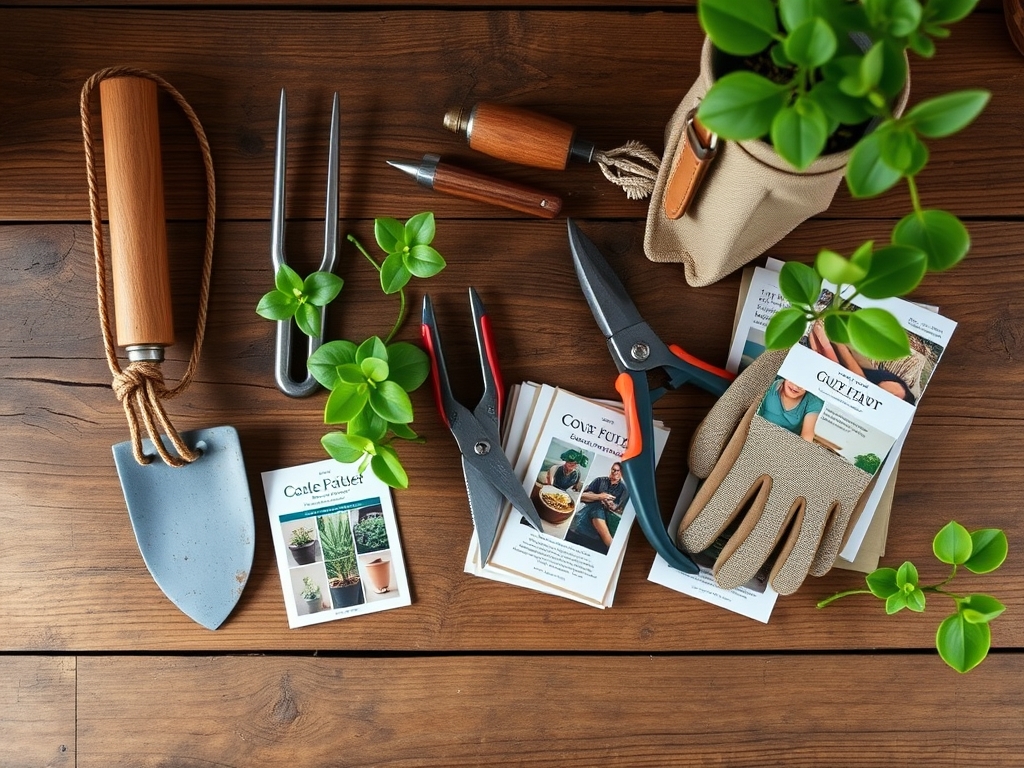
For the recovery phase after pruning, utilize a low-nitrogen fertilizer with an NPK ratio of 5-10-5. High nitrogen levels encourage weak, etiolated growth that lacks the structural integrity required for a tree-like shape. Ensure your tools are surgical grade. Use bypass pruners or a sharp hori-hori knife to ensure clean cuts that do not crush the vascular tissue. Sterilize all equipment with 70 percent isopropyl alcohol between every cut to prevent the transmission of pathogens.
Timing:
Jade plants are hardy in USDA Zones 10 through 11. In these regions, they can remain outdoors year round. For gardeners in cooler climates, the biological clock is dictated by light intensity and temperature. The optimal window for heavy pruning is late spring or early summer, just as the plant enters its peak vegetative growth stage. This timing ensures the plant has maximum photosynthetic capacity to heal wounds and push out new buds.
Avoid pruning during the winter senescence when the photoperiod is short. During this time, the plant's metabolic rate drops. Cutting into the plant during dormancy increases the risk of fungal infections because the plant cannot quickly callus over the wound. Observe the transition from vegetative to reproductive stages; if your jade is preparing to bloom, wait until the flowers have faded before beginning structural shaping.
Phases:
Sowing and Initial Growth
While most jade plants are started from cuttings, the initial growth phase is critical for setting the foundation. Place the plant in a location that receives at least six hours of direct sunlight daily. This prevents the internodal spacing from stretching. A compact internode distance is the primary requirement for a sturdy trunk.
Pro-Tip: Monitor the plant for phototropism. Rotate the pot 90 degrees every week. This ensures even auxin distribution across all sides of the stem, preventing the plant from leaning toward the light source and weakening its structural base.
Transplanting and Root Management
When the plant becomes root-bound, the Cation Exchange Capacity of the limited soil volume is exhausted. Transplant into a container only 2 inches wider than the current one. Use a terracotta pot to facilitate gas exchange and moisture evaporation through the porous walls.
Pro-Tip: During transplanting, lightly tickle the outer roots to break the circular growth pattern. This encourages the development of a robust lateral root system, which provides the physical leverage needed to support a heavy, pruned canopy.
Establishing the Structural Framework
The first major pruning involves identifying the "leader" stem. If you desire a single-trunk tree shape, remove all competing vertical stalks at the soil line. If you prefer a shrub-like appearance, allow multiple stems to remain but head them back to encourage branching.
Pro-Tip: Always cut 1/4 inch above a leaf node. This triggers auxin suppression in the terminal bud and activates the dormant buds at the node. This biological mechanism is known as "apical dominance release," and it is the key to creating a dense, bifurcated branch structure.
The Clinic:
Physiological disorders in jade plants often manifest as changes in leaf texture or color.
- Symptom: Soft, yellowing leaves at the base.
- Solution: This indicates overwatering and potential root rot. Reduce irrigation immediately. Ensure the substrate is dry to a depth of 2 inches before adding more water.
- Symptom: Thin, stretched stems with wide gaps between leaves.
- Solution: This is etiolation caused by insufficient light. Move the plant to a higher LUX environment. Prune back the leggy growth to force new, compact nodes.
- Symptom: Reddish tint on leaf edges.
- Solution: This is often a stress response to high light or cool temperatures. It is generally not harmful but indicates the plant is at its physiological limit for light absorption.
- Fix-It for Nitrogen Chlorosis: If new leaves are pale green or yellow while veins remain dark, the plant may lack nitrogen. Apply a balanced 10-10-10 water-soluble fertilizer at half strength to restore chlorophyll production.
Maintenance:
Precision maintenance prevents the need for drastic, stressful pruning later. Use a soil moisture meter to ensure the root zone is not sitting in stagnant water. As a general rule, provide the equivalent of 1.5 inches of water per week during the growing season, applied directly to the soil at the drip line. Avoid wetting the foliage, as this can encourage powdery mildew.
Keep your bypass pruners sharp. A dull blade tears the succulent tissue, creating a jagged wound that takes longer to callus. After every pruning session, allow the plant to sit in a dry, shaded area for three days. This allows the cuts to form a protective "scab" before they are exposed to direct sun or moisture.
The Yield:
While jade plants are not edible, the "yield" of a successful pruning regimen is a structurally sound, aesthetically balanced specimen. A well-pruned jade can live for decades, eventually developing a thick, corky bark that mimics an ancient tree. If you are pruning to propagate, take 4-inch stem cuttings. Let the cut end callus for five days in a cool, dry place. Insert the callused end into a 50/50 mix of perlite and peat moss. Maintain a temperature of 70 degrees Fahrenheit to encourage rapid root initiation.
FAQ:
How much can I prune at once?
Never remove more than 25 percent of the total leaf mass in a single session. Excessive pruning shocks the vascular system and depletes the plant's energy reserves, leading to slow recovery and increased susceptibility to opportunistic pathogens.
Where exactly should I make the cut?
Make cuts 1/4 inch above a leaf node or where a branch meets the main trunk. Do not leave long stubs; these will wither and become entry points for decay. Clean, flush cuts heal faster through the formation of callus tissue.
Why are my jade leaves falling off after pruning?
Minor leaf drop is a common stress response to changes in hormone levels. However, if the stems are also soft, it indicates overwatering. Ensure the plant has adequate light and dry soil to recover from the metabolic stress of pruning.
Can I prune a jade plant in winter?
It is not recommended. During winter, the plant enters a period of reduced metabolic activity. Cuts made during this time heal slowly, increasing the risk of fungal infections. Wait until active growth resumes in the spring for the best results.