5 Quick Steps to Use Mini Shelves
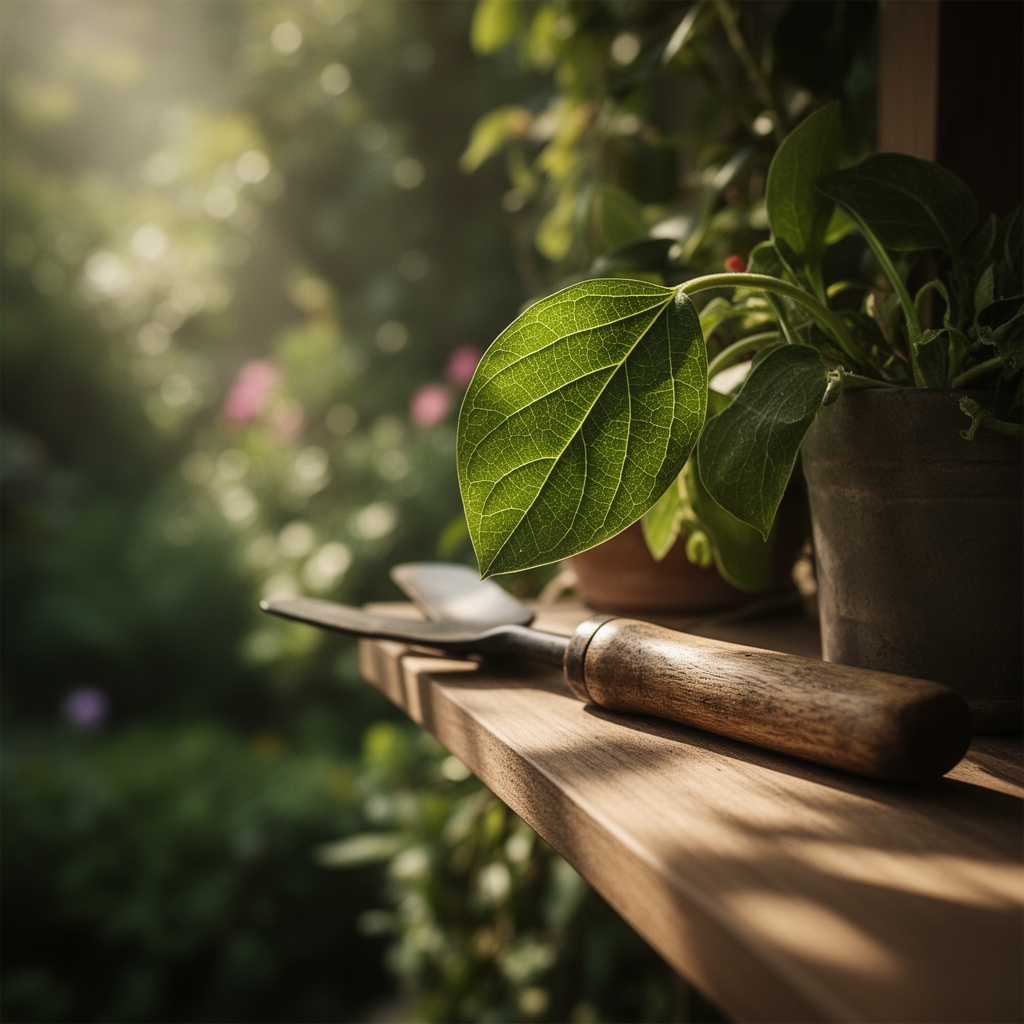
The workshop air carries the scent of fresh sawdust and potting soil as you arrange succulent cuttings along a narrow wooden ledge. Mini shelves transform vertical space into productive growing zones, and mastering the steps to use mini shelves efficiently means understanding weight distribution, light gradients, and moisture management within confined dimensions. These compact platforms, typically 4 to 12 inches deep, create microclimates that demand precision in plant selection and care protocols.
Materials
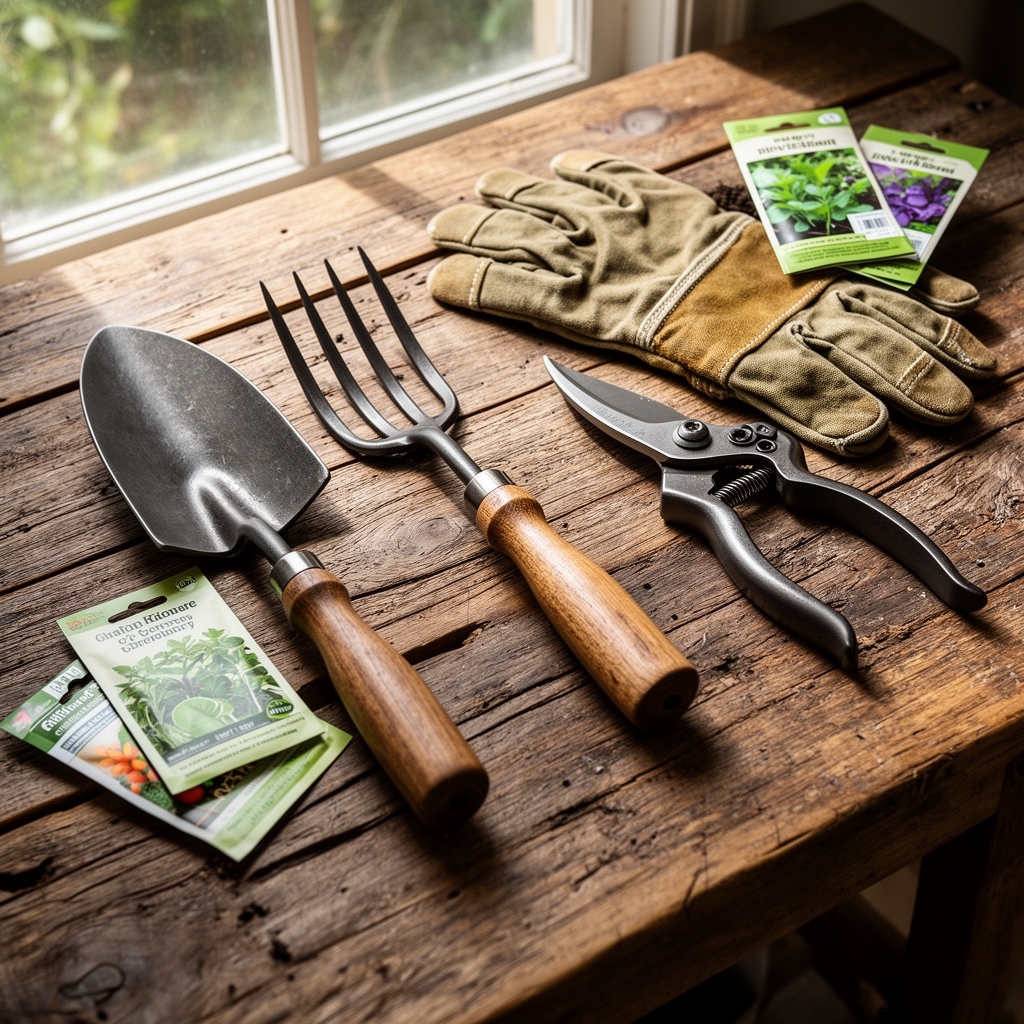
Select shelving materials based on load capacity and environmental resistance. Pine boards treated with linseed oil support 15 pounds per linear foot. Metal brackets anchored into wall studs handle 25 pounds per shelf when spaced 16 inches apart. Substrate choice dictates success: a 2-2-2 NPK cactus mix with pH 6.0-6.5 suits xerophytes, while a 4-4-4 organic meal blend at pH 6.5-7.0 supports compact culinary herbs.
Containers require drainage. Terra cotta pots 3 to 5 inches in diameter maintain adequate air exchange for root systems. Their porous structure prevents waterlogging that degrades cation exchange capacity in tight spaces. Pair containers with saucers to protect shelf surfaces and capture excess moisture. LED grow strips rated at 2000-3000 lumens per square foot compensate for low natural light, particularly on lower shelves where photon flux density drops by 40 percent compared to top tiers.
Mycorrhizal fungi inoculant at application rates of 1 teaspoon per gallon of substrate enhances phosphorus uptake in restricted root zones. A digital hygrometer monitors ambient humidity, critical for species requiring 40-60 percent relative moisture. Pruning shears with 30-degree beveled blades ensure clean cuts that minimize auxin distribution disruption during maintenance.
Timing
Installation timing aligns with indoor growing cycles rather than outdoor frost dates, though seasonal light variations matter. In USDA Hardiness Zones 3-7, winter months from November through February reduce natural daylight to 8-10 hours, necessitating supplemental lighting for 12-14 hours daily. Spring equinox marks the ideal propagation window when ambient temperatures stabilize between 65-75°F, reducing heating costs and stress on young transplants.
For gardeners propagating from seed, begin 8-10 weeks before the last expected frost date if planning outdoor transition. Indoor-exclusive setups maintain flexibility, though circadian rhythm consistency improves growth rates by 18 percent according to controlled environment agriculture studies. Adjust light timers to mimic natural photoperiods, extending duration by 15 minutes weekly during vegetative phases.
Phases
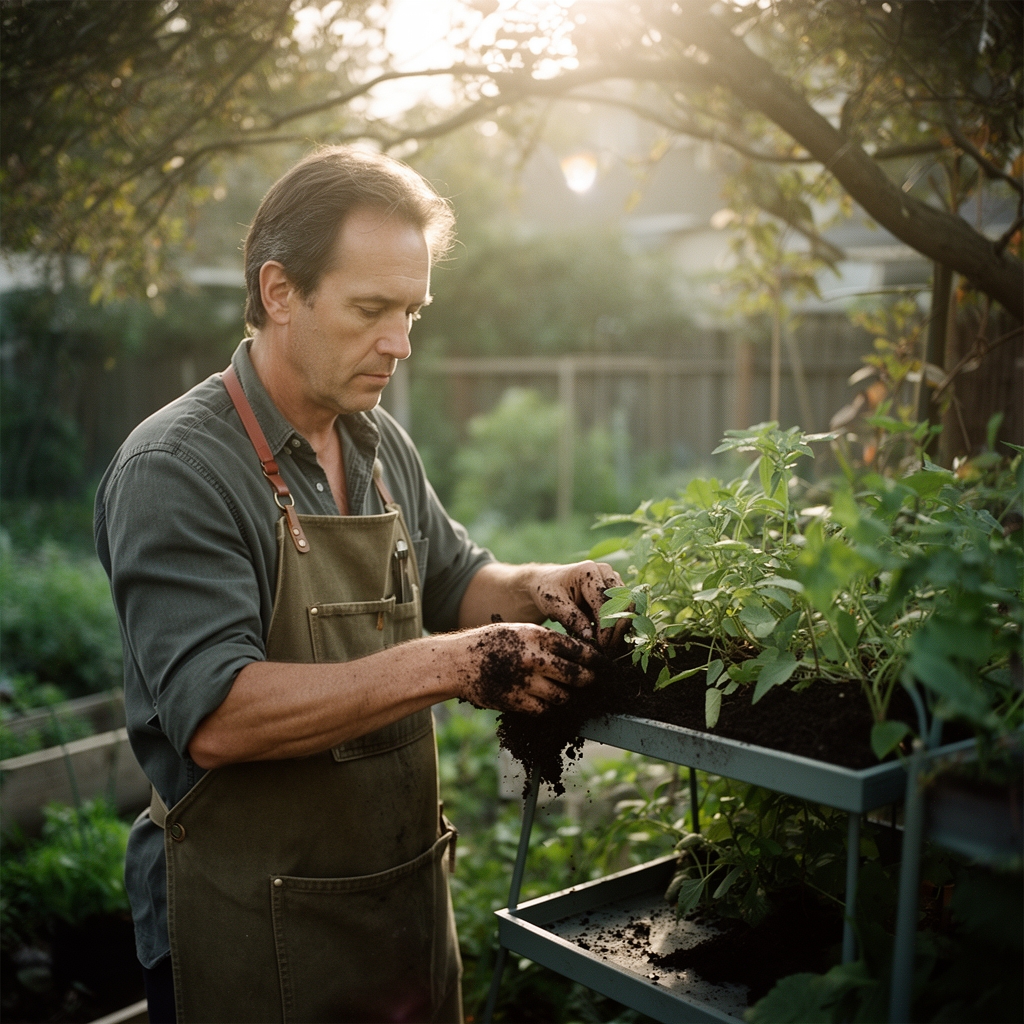
Sowing: Fill 2-inch cell trays with moistened seed-starting mix at pH 6.0. Press seeds to a depth of twice their diameter. Lettuce, basil, and parsley germinate within 7-14 days at 70°F. Cover trays with clear plastic domes to maintain 80 percent humidity until cotyledons emerge. Position trays on top shelves where heat accumulates, raising temperatures 3-5 degrees above ambient levels.
Pro-Tip: Dust seeds with Trichoderma harzianum at 0.1 grams per 100 seeds to prevent damping-off disease during vulnerable germination phases.
Transplanting: Move seedlings to permanent 4-inch containers when true leaves develop, typically 3-4 weeks post-germination. Handle by leaves, never stems, to avoid vascular damage. Bury stems up to the cotyledon node for species like tomatoes to encourage adventitious root formation. Water with diluted 3-1-2 NPK liquid fertilizer at quarter strength, approximately 150 ppm nitrogen, to reduce transplant shock.
Pro-Tip: Transplant during evening hours when stomatal conductance decreases, reducing water loss by 30 percent during the critical 48-hour establishment period.
Establishing: Position shade-tolerant species like pothos and philodendron on lower shelves receiving 500-1000 lumens. Reserve top shelves for light-demanding herbs requiring full-spectrum exposure. Rotate containers 90 degrees weekly to prevent phototropic leaning. Monitor leaf color: pale green indicates nitrogen deficiency, while dark green with purple undersides suggests phosphorus limitation.
Pro-Tip: Prune growing tips at 45-degree angles when plants reach 6 inches to promote lateral branching and increase yield density by 25 percent per square foot.
Troubleshooting
Symptom: Leggy growth with elongated internodes and weak stems.
Solution: Decrease distance between grow lights and canopy to 6-8 inches. Increase light duration to 16 hours daily. Apply potassium silicate at 50 ppm to strengthen cell walls.
Symptom: Brown leaf tips with crispy margins progressing inward.
Solution: Reduce fertilizer concentration by 50 percent. Flush substrate with pH-adjusted water at three times container volume. Check for salt accumulation, indicated by white crust on soil surface.
Symptom: Yellowing lower leaves while new growth remains green.
Solution: Indicates mobile nutrient deficiency, typically nitrogen. Apply fish emulsion at 5-1-1 NPK ratio, diluted to 200 ppm nitrogen, every 10 days during active growth.
Symptom: Webbing on leaf undersides with stippled yellow spots.
Solution: Spider mites thrive in low humidity. Increase ambient moisture to 50 percent. Spray neem oil at 2 tablespoons per gallon, covering all leaf surfaces every 5 days for three applications.
Symptom: White powdery coating on leaves and stems.
Solution: Powdery mildew results from poor air circulation. Space containers 2 inches apart. Apply potassium bicarbonate solution at 1 tablespoon per gallon weekly until resolved.
Maintenance
Water when the top inch of substrate feels dry to touch, typically every 3-5 days depending on species and container size. Apply 1/4 cup per 4-inch pot, allowing 10 percent runoff to prevent salt buildup. Use room-temperature water at pH 6.0-6.8 to avoid shocking root systems.
Fertilize every 14 days during active growth with balanced 5-5-5 NPK liquid feed at half the manufacturer's recommended strength. Reduce frequency to monthly during winter dormancy periods. Prune dead or yellowing foliage immediately to prevent fungal pathogen establishment. Wipe leaves monthly with damp cloth to remove dust that blocks stomata and reduces photosynthetic efficiency by 15 percent.
Inspect shelves weekly for structural integrity. Tighten loose brackets and redistribute weight if sagging exceeds 1/4 inch. Replace grow lights after 25,000 hours when photon output degrades below 70 percent of initial intensity.
FAQ
How much weight can mini shelves hold?
Standard residential wall anchors support 15-25 pounds per shelf when installed into studs. Distribute containers evenly and avoid clustering heavy pots on single brackets.
What plants work best on mini shelves?
Compact species with shallow root systems thrive: herbs like thyme and oregano, succulents, African violets, and small-leaf pothos varieties. Avoid plants exceeding 12 inches in mature height.
How far should grow lights be from plants?
Position LED strips 6-8 inches above foliage for high-light plants, 10-12 inches for shade-tolerant species. Adjust weekly as plants grow to maintain consistent photon flux density.
Can mini shelves work without supplemental lighting?
South-facing windows providing 6+ hours of direct sun support most herbs and succulents. North-facing exposures require artificial lighting for productive growth.
How often should I rotate plants?
Rotate containers 90 degrees weekly to ensure even light exposure and prevent directional growth patterns that compromise aesthetic form and structural stability.