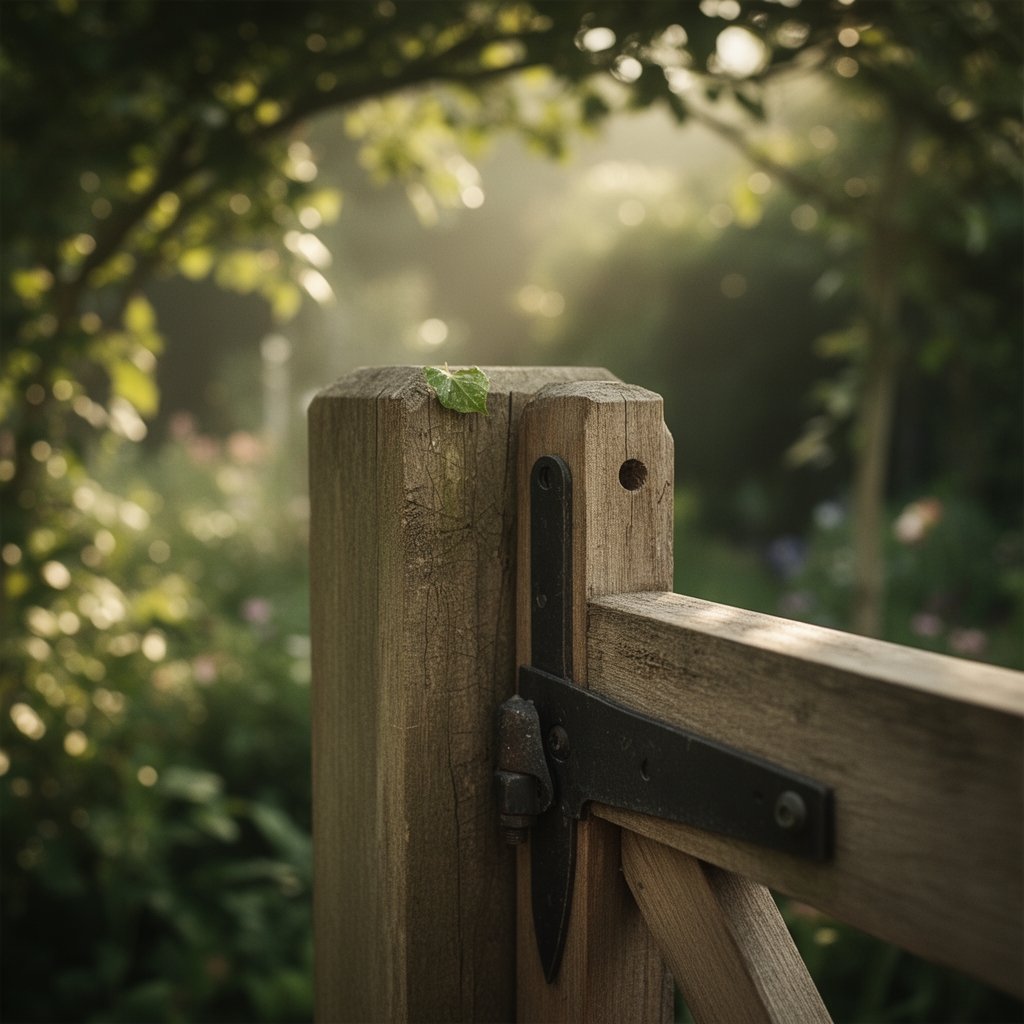
8 Simple Ways How to Build Garden Gates
The scent of cedar sawdust fills the air as you measure the first post for your garden gate. Understanding how to build garden gates transforms a simple boundary into an architectural feature that guides visitors through rows of tomatoes and beans while keeping deer from your lettuce beds. The process requires selecting rot-resistant lumber, calculating proper hinge loads, and accounting for seasonal wood movement across hardiness zones.
Materials
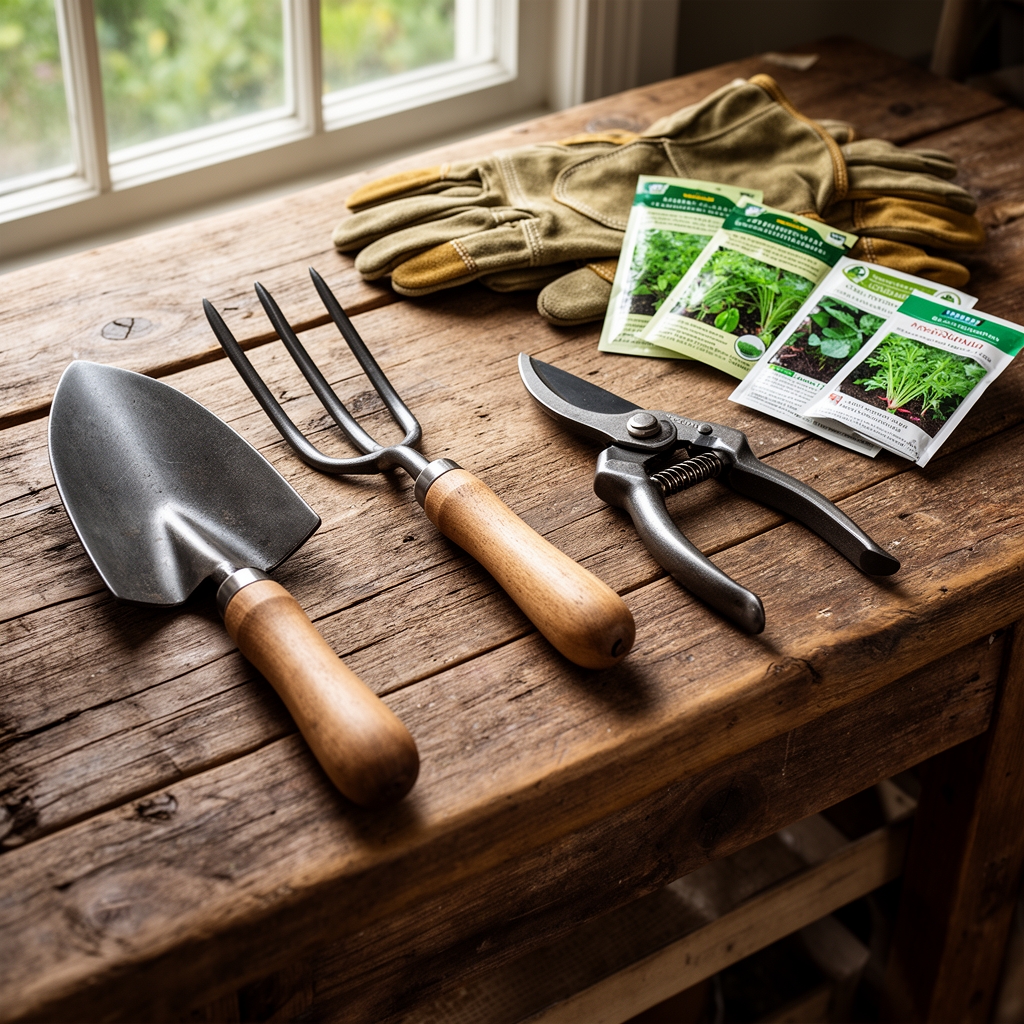
Cedar and redwood naturally resist decay without chemical treatment, lasting 15-20 years in direct soil contact. Pressure-treated pine costs 40% less but leaches copper compounds that alter soil pH by 0.3-0.5 points within a 12-inch radius of posts. For organic gardens, use untreated white oak or black locust heartwood.
Gate frames require 2×4 boards for spans under 4 feet, 2×6 for gates reaching 6 feet wide. Diagonal bracing prevents sagging caused by gravity and wind loads. Galvanized or stainless steel hardware resists oxidation in humid climates where iron corrodes within 18 months.
Concrete for post anchoring needs a 3:2:1 ratio of gravel, sand, and Portland cement. Set posts 24-30 inches deep in zones 3-5, 18-24 inches in zones 8-10 where frost heave is minimal. Apply a mycorrhizal fungi inoculant around wooden posts to accelerate beneficial decomposition that improves cation exchange capacity in surrounding soil over 5-7 years.
Hinges carry the structural load. Strap hinges distribute weight across 8-12 inches of frame. T-hinges work for lightweight gates under 30 pounds. Calculate 1.5 inches of hinge length per foot of gate height.
Timing
Install garden gates during dormant seasons when soil moisture is workable but not saturated. In zones 3-5, build between April 15 and May 30 or September 1-October 15. Zones 6-7 allow March 20-June 10 and August 15-November 1. Zones 8-10 permit year-round construction except during summer soil compaction periods when clay holds less than 15% moisture.
Wood expands across its width by 2-3% from winter to summer humidity cycles. Account for this when spacing vertical boards. Cut lumber when moisture content reads 12-15% on a pin-type meter. Green lumber above 19% moisture will shrink and crack.
Phases

Setting Posts
Mark post locations with surveying stakes. Dig holes 8 inches wider than post dimensions using a clamshell digger. Pour 4 inches of drainage gravel at the bottom. Set posts plumb using a 48-inch level checked on adjacent faces. Mix concrete in a wheelbarrow and pour in 6-inch lifts, tamping with a rod to eliminate air pockets.
Pro-Tip: Wrap the below-ground portion of cedar posts with 30-pound roofing felt. This barrier slows water wicking along the grain, extending post life to 25-30 years.
Building the Frame
Cut rails to span between posts with a 1/4-inch gap per 4 feet of width for expansion. Join corners using mortise-and-tenon joints or galvanized corner brackets rated for 200 pounds shear strength. Install the diagonal brace running from the bottom hinge-side corner to the top latch-side corner. This geometry counters gravitational sag through compression rather than tension.
Pro-Tip: Apply exterior wood glue to joints before fastening. Polyurethane glues expand into wood pores, increasing joint strength by 35% compared to mechanical fasteners alone.
Attaching Boards and Hardware
Space vertical boards 1/2 inch apart for airflow that reduces fungal growth while blocking rabbits. Use 2.5-inch deck screws, two per rail intersection. Pre-drill holes 1/16 inch smaller than screw shank diameter to prevent splitting.
Mount hinges 6-8 inches from top and bottom of frame. The pin axis should align vertically when the gate hangs. Secure hinges with bolts through the frame, not screws into end grain where pullout strength is 60% lower.
Pro-Tip: Rub hinge pins with paraffin wax every 6 months. This reduces friction and prevents the high-pitched squeak caused by metal-on-metal oxidation.
Troubleshooting
Symptom: Gate sags within first season
Solution: Add a turnbuckle to the diagonal brace. Tighten 1/4 turn monthly until the top latch-side corner lifts to level. This redistributes load through the compression brace.
Symptom: Posts lean after winter
Solution: Frost heave pushed posts upward then lateral. Reset posts 6 inches deeper with concrete extending below frost line. Local extension offices publish frost depth maps.
Symptom: Wood splits along fastener lines
Solution: Lumber was kiln-dried below 10% moisture then absorbed atmospheric water. Use stainless steel ring-shank nails that grip through expansion cycles. Pre-drill within 3 inches of board ends.
Symptom: Latch misaligns by summer
Solution: Wood expansion shifted strike plate. Install adjustable gate latches with 1-inch vertical slots for seasonal repositioning.
Maintenance
Apply penetrating oil finish every 18-24 months. Linseed or tung oil formulations prevent surface checking without forming a film that traps moisture. Coat all six sides of boards before assembly.
Tighten hinge bolts each spring. Seasonal wood movement can loosen nuts by 1/4 turn. Check diagonal brace tension by pressing the gate corner. Movement exceeding 1/2 inch requires turnbuckle adjustment.
Clear vegetation within 6 inches of posts. Auxin distribution in plant roots creates acidic zones that accelerate wood decay. Maintain a mulch-free border using pea gravel for drainage.
Inspect for carpenter bee holes each May. These 1/2-inch diameter tunnels weaken structural members. Fill with wood filler containing borate, then cover with aluminum flashing.
FAQ
How wide should a garden gate be?
36 inches accommodates wheelbarrows and most garden carts. 48 inches allows riding mower passage.
Do I need concrete for every post?
Yes, in clay and silt soils. Sandy soils with excellent drainage may use tamped gravel, but frost heave remains a concern in zones below 7.
What prevents wood rot fastest?
Ground contact causes 80% of rot. Elevate horizontal members on spacers for airflow. Use post caps to shed water.
Can I paint instead of staining?
Paint forms a moisture barrier that traps condensation. It fails within 3-5 years on outdoor gates. Oil penetrants last 8-12 years.
How much weight can gate hinges hold?
Strap hinges rated at 150 pounds support a 4×6-foot cedar gate. Add a third center hinge for gates exceeding 40 pounds or 5 feet height.