6 Best Gravel for Hot Tub Pads
Crushed stone underfoot releases the sharp, metallic scent of fractured limestone while the surrounding foliage maintains high turgor pressure from consistent irrigation. Establishing a foundation for a heavy vessel requires more than aesthetic consideration; it demands an understanding of load-bearing capacity and hydraulic conductivity. Selecting the best gravel for hot tub pads ensures that the structural integrity of the soil remains intact despite the localized pressure of several thousand pounds. A standard hot tub filled with water and occupants can exert over 100 pounds per square foot. Without a properly graded substrate, the soil profile collapses. This leads to uneven settling and potential mechanical failure of the tub frame. We look for materials that provide high friction and rapid drainage to prevent the rhizosphere of nearby plantings from becoming anaerobic due to runoff. The goal is a stable, porous base that manages moisture while resisting the shear forces of a heavy, vibrating load. Proper selection prevents the accumulation of stagnant water that could alter the local soil pH or encourage fungal pathogens in the surrounding landscape.
Materials:
The foundation begins with the native soil profile. Ideally, you are working with a friable loam that possesses a balanced **Cation Exchange Capacity (CEC)** of 10 to 20 milliequivalents per 100 grams. If the soil is heavy clay with a pH above 7.5, drainage will be sluggish. Conversely, sandy soils with a pH below 5.5 may lack the structural cohesion needed to hold a pad in place. Before laying stone, test the area for an **NPK ratio** of 5-10-10 if you plan to landscape the perimeter; high phosphorus levels encourage the strong root systems necessary to stabilize the soil around the excavation site. The gravel itself must be angular rather than rounded. Angular stones lock together to create a rigid surface.
- 3/4-Inch Crushed Limestone: High structural stability with a pH-neutralizing effect on acidic runoff.
- Pea Gravel: Best used as a decorative top layer only; its rounded edges lack the friction for primary load bearing.
- Decomposed Granite: Provides a fine, compactable texture that mimics a solid slab when dampened and tamped.
- Quarry Process (Crushed Stone Base): A mix of 3/4-inch stone and stone dust that packs to a concrete-like density.
- River Rock: Excellent for perimeter drainage channels to manage overflow without eroding the primary pad.
- Lava Rock: Highly porous with high surface area; useful for moisture dissipation in high-humidity zones.
Timing:
Installation should occur during the dormant season or early spring when the ground is not frozen but the "Biological Clock" of local flora is in the vegetative lag phase. In Hardiness Zones 4 through 7, the ideal window is after the last hard frost when soil moisture levels allow for maximum compaction without creating a muddy slurry. Excavating during the transition from vegetative to reproductive stages in nearby plants can cause unnecessary stress. Aim for a soil temperature of at least 55 degrees Fahrenheit to ensure any disturbed microbial life can recolonize the area quickly. Avoid installation during peak senescence in autumn, as falling organic matter will contaminate the gravel interstices and reduce hydraulic conductivity over time.
Phases:
Sowing the Foundation
Excavate the area to a depth of 6 to 8 inches. Clear all organic debris, including roots and macro-organisms. Level the subgrade to a 1 percent slope to direct water away from home foundations.
Pro-Tip: Use a heavy-duty geotextile fabric between the soil and the gravel. This prevents the migration of fines into the stone layer, which preserves the void space necessary for drainage. This separation maintains the structural integrity of the pad by preventing soil pumping under pressure.
Transplanting the Aggregate
Fill the excavation with 4 inches of 3/4-inch angular crushed stone. Use a plate compactor to achieve a minimum 95 percent Proctor density. This ensures the material will not shift under the weight of the tub.
Pro-Tip: Lightly mist the gravel during compaction. The water acts as a lubricant, allowing particles to slide into a tighter configuration before the surface tension locks them in place. This mimics the natural settling of lithic layers in high-pressure geological environments.
Establishing the Perimeter
Apply a final 2-inch layer of decorative stone or fine-grade gravel. Ensure the transition to the surrounding landscape includes a buffer zone of mulch or groundcover to prevent soil splash-back onto the hot tub cabinet.
Pro-Tip: Plant deep-rooted species like Panicum virgatum near the pad. These plants utilize rhizosphere respiration to help manage the increased moisture levels often found near hot tub drainage points, preventing the soil from becoming waterlogged and anaerobic.
The Clinic:
Even a perfectly engineered pad can face physiological or structural issues.
- Symptom: Gravel shifting or "rolling" underfoot.
- Solution: The material is likely rounded (pea gravel) rather than angular. Replace the top 2 inches with crushed fines or decomposed granite to increase the friction coefficient.
- Symptom: Standing water on the pad surface after rain.
- Solution: The gravel has become "blinded" by silt or organic matter. Use a hori-hori knife to probe the depth; if the fines reach the bottom, the gravel must be excavated, rinsed, and reinstalled with a filter fabric.
- Symptom: Yellowing of nearby foliage (Nitrogen chlorosis).
- Solution: High runoff from the tub may be leaching mobile nitrogen from the soil. Apply a slow-release 10-10-10 fertilizer to the surrounding area to restore the nutrient balance.
- Symptom: Algae growth on the north side of the pad.
- Solution: This indicates a lack of UV exposure and high moisture retention. Thin the overhanging canopy with bypass pruners to increase airflow and light penetration.
Maintenance:
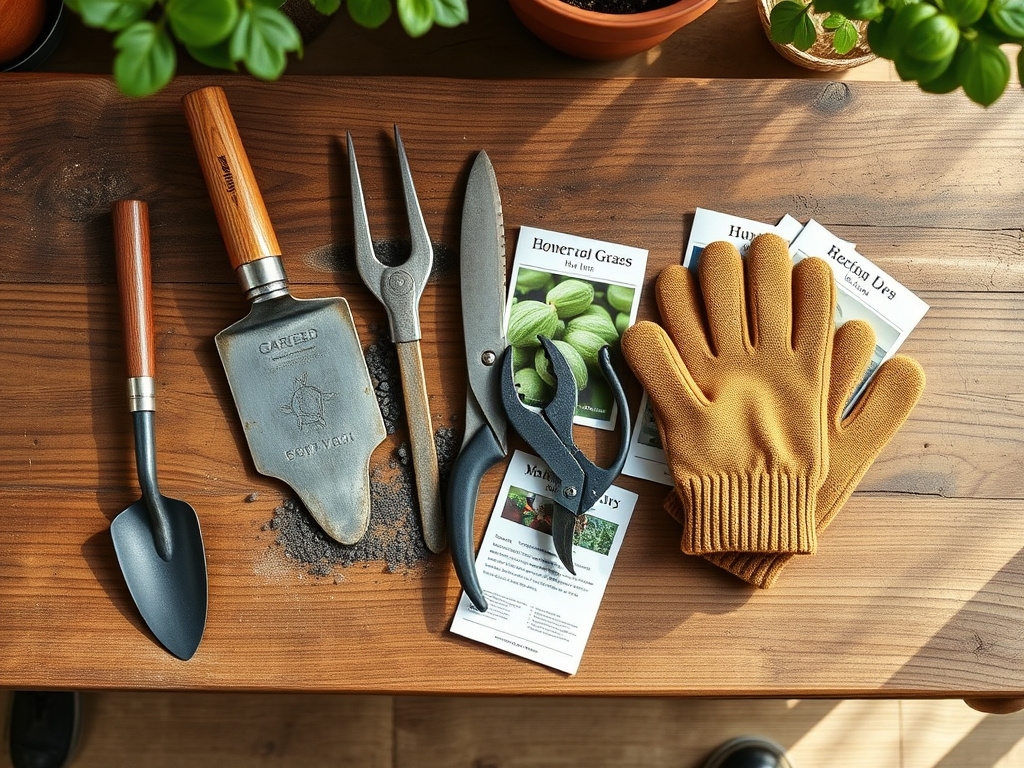
A gravel pad is not a "set and forget" feature. Check the level of the pad every six months using a four-foot spirit level. If the tub settles more than 1/4 inch across its width, use a pry bar to lift the low corner and pack additional crushed stone underneath. Monitor the moisture of the surrounding soil using a soil moisture meter. The plants at the drip line of the pad should receive approximately 1.5 inches of water per week, accounting for any tub splash-out. Use a hori-hori knife to remove any weeds that germinate in the gravel before their roots reach the subsoil. Every two years, top-dress the pad with a fresh half-inch of stone to replace material lost to displacement or compaction.
The Yield:
While a hot tub pad does not produce a harvestable crop, the "yield" is the longevity of your equipment and the health of the surrounding ecosystem. A stable pad prevents structural stress on the tub's shell, extending its service life by years. By managing drainage correctly, you ensure that the surrounding ornamental plants maintain high osmotic potential and do not suffer from root rot. The result is a seamless integration of heavy machinery and botanical health.
FAQ:
What is the best gravel for a hot tub base?
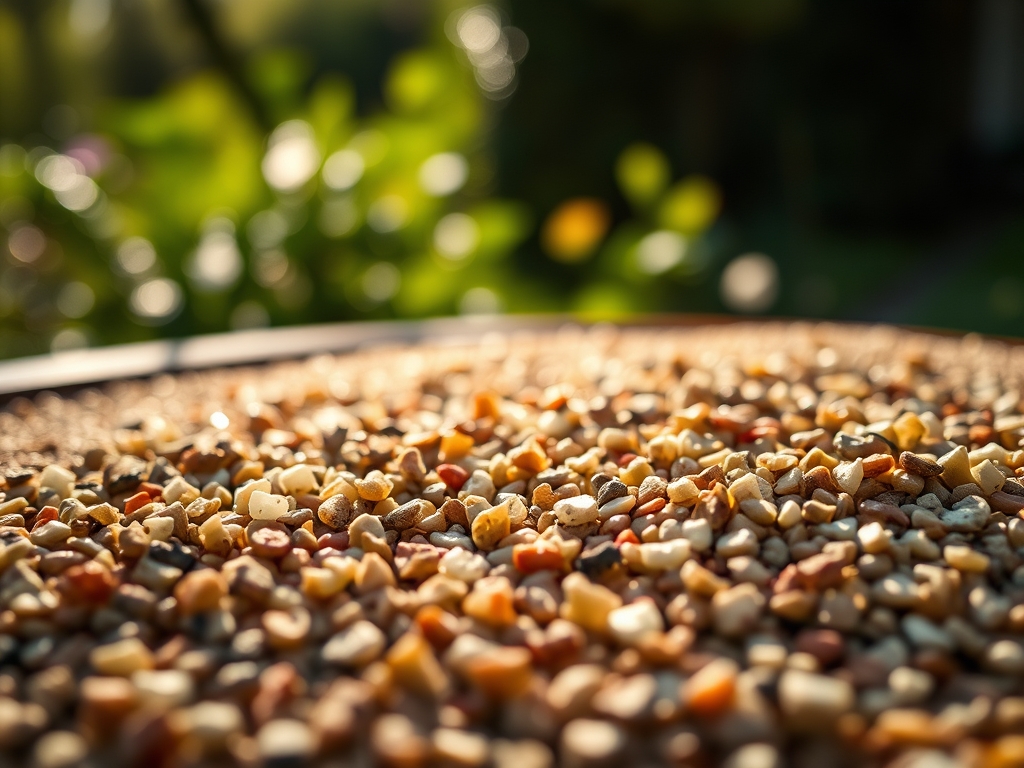
The best gravel is 3/4-inch crushed angular stone. The sharp edges lock together under pressure, providing a stable, non-shifting surface that supports the weight of the tub while allowing for maximum water drainage through the stone interstices.
How deep should a gravel pad be for a hot tub?
A gravel pad should be at least 6 inches deep. This includes 4 inches of compacted sub-base stone and 2 inches of leveled finishing stone. This depth ensures proper weight distribution and prevents the frost heave from shifting the tub.
Do I need a frame for a gravel hot tub pad?
Yes, a frame made of pressure-treated 4×4 or 6×6 timbers is essential. The frame contains the gravel, preventing lateral spreading under the immense weight of the water. It also provides a clean aesthetic edge for the surrounding landscape.
Can I put a hot tub on pea gravel?
Pea gravel is not recommended as a primary base. Because the stones are rounded, they act like ball bearings and shift under pressure. Use pea gravel only as a thin decorative top layer over a compacted base of angular crushed stone.