8 Best Artificial Grass for Dogs
The scent of crushed cell walls and damp earth usually signals a healthy lawn, but for dog owners, that smell is often replaced by the sharp tang of ammonia and the sight of yellowing, necrotic patches. Maintaining the turgor pressure of natural fescue under the constant stress of canine traffic is a losing battle against biology. High nitrogen levels in canine urine create localized chemical burns that exceed the buffering capacity of most topsoils. Transitioning to the best artificial grass for dogs requires a shift from organic horticulture to advanced polymer science and drainage engineering. You are no longer managing a living rhizosphere; you are managing a synthetic filtration system designed to withstand mechanical abrasion and chemical saturation.
Modern synthetic turfs for pets are engineered to mimic the structural integrity of C3 and C4 grasses while providing a porous sub-base that prevents fluid stagnation. Selecting the right product involves analyzing blade density, backing permeability, and heat dissipation properties. A high-quality installation functions as an extension of your landscape's drainage profile, ensuring that moisture moves vertically through the profile rather than pooling on the surface. This guide analyzes the technical specifications required to maintain a sterile, durable, and aesthetically consistent environment for high-traffic canine areas.
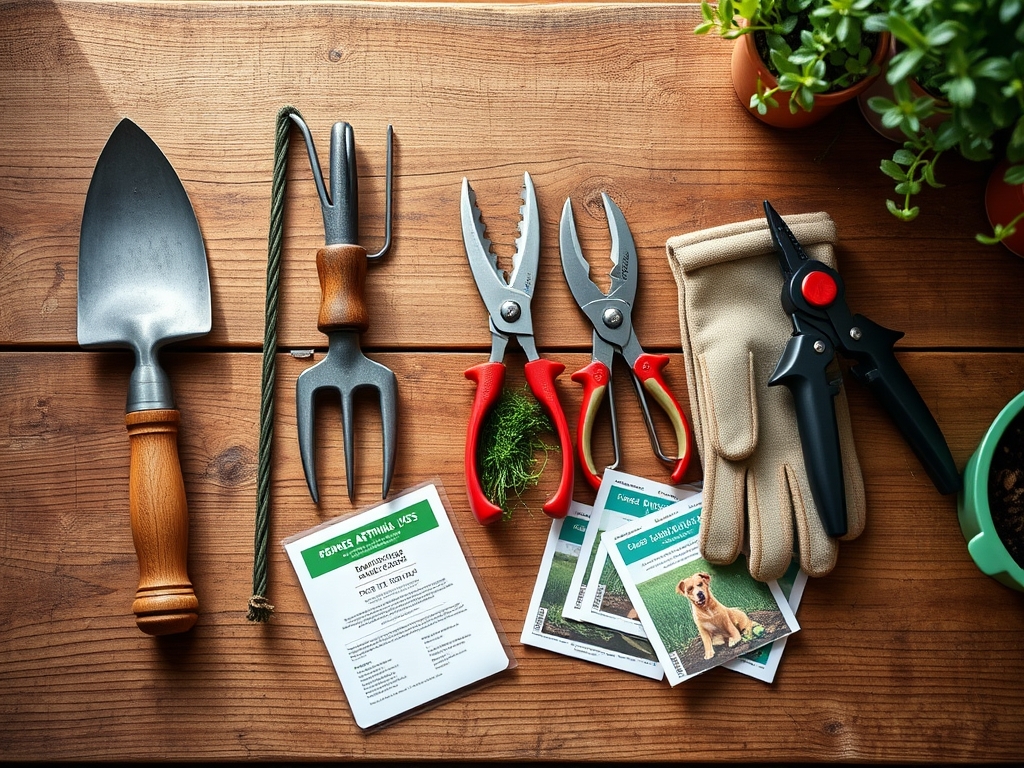
Materials:
While artificial turf is synthetic, the substrate beneath it must be treated with the same precision as a friable loam. The ideal base consists of a sub-grade of 3 to 4 inches of compacted crushed aggregate, typically a 3/4 inch minus road base. This provides a high Cation Exchange Capacity (CEC) if zeolite infills are utilized, as they chemically bind ammonium ions.
The chemical environment must remain neutral. While you are not managing soil pH for nutrient uptake, a pH of 7.0 in the base layer prevents the degradation of the turf backing. For the infill, avoid standard silica sand which can trap odors. Instead, utilize antimicrobial acrylic-coated granules or volcanic zeolite. These materials have a high surface area to volume ratio, allowing them to absorb moisture and neutralize odors through ion exchange. If you are integrating the turf alongside living garden beds, ensure the transition zone maintains an NPK ratio of 10-10-10 for surrounding ornamentals to prevent nutrient leaching from the synthetic area into the organic root zones.
Timing:
Installation timing is dictated by soil compaction physics and thermal expansion. In Hardiness Zones 3 through 7, the ideal window for installation is late spring or early autumn when ground temperatures are between 50 and 70 degrees Fahrenheit. Soil must be workable and not saturated; installing over frozen or muddy ground leads to uneven settling and "subsurface slumping" once the ground thaws.
The biological clock of your surrounding landscape also matters. Avoid installation during the peak senescence of deciduous trees, as falling leaf litter can clog the drainage pores of the new turf before the infill has settled. Aim for a period of moderate stasis in the surrounding flora. This allows you to establish a clean perimeter without interrupting the heavy vegetative growth phases of nearby perennials or the delicate flowering windows of local pollinators.
Phases:
Sowing the Sub-Base
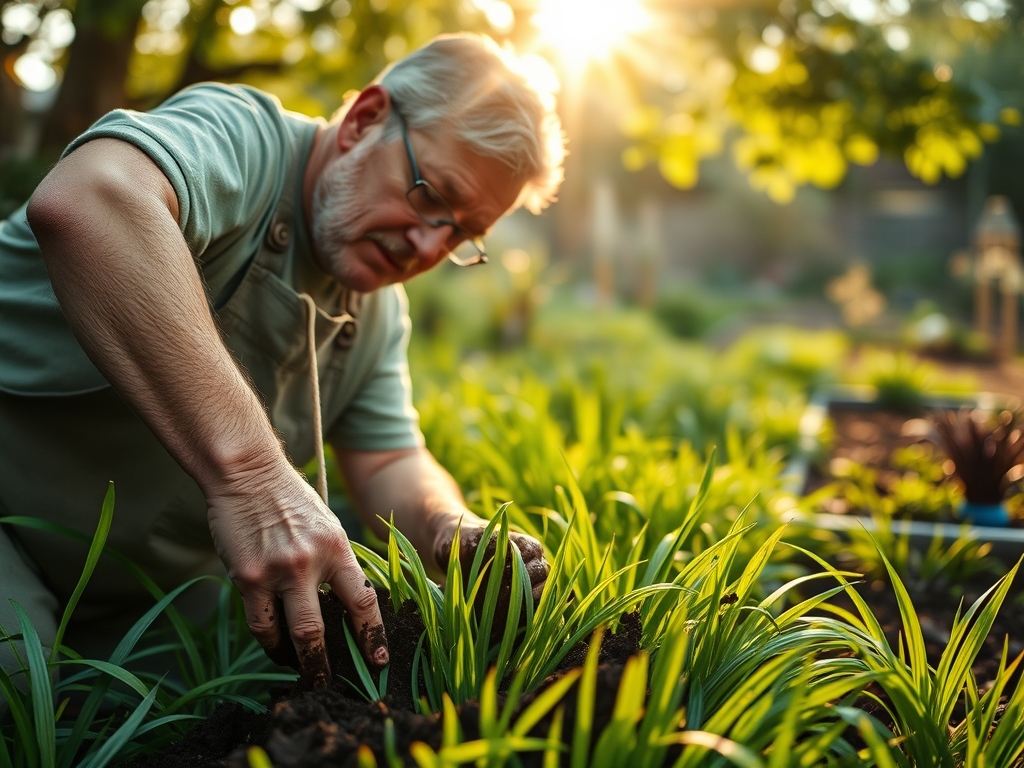
The "sowing" of an artificial lawn is the meticulous layering of the base. Excavate the area to a depth of 4 inches. Lay a non-woven geotextile weed barrier to prevent opportunistic seeds from reaching the surface. Spread the aggregate in 2-inch lifts, moisture-conditioning each layer to achieve 95 percent Proctor density via a vibratory plate compactor.
Pro-Tip: Proper compaction prevents "hydrostatic pressure" buildup. By creating a stable, porous base, you ensure that gravity pulls liquids away from the surface immediately, preventing the anaerobic conditions that lead to bacterial growth.
Transplanting the Turf
Roll out the synthetic turf and allow it to "acclimate" to the ambient temperature for at least 4 hours. This allows the backing to expand or contract to its natural state, preventing wrinkles. Trim the edges using a sharp utility knife, ensuring a 1/4 inch gap at the perimeter to allow for thermal expansion. Secure the seams using a non-toxic, industrial-grade adhesive or 6-inch galvanized turf nails spaced every 4 inches.
Pro-Tip: This acclimation period mimics the "hardening off" process in botany. It prevents mechanical stress on the polymer fibers, ensuring the "grass" blades maintain their vertical orientation through better structural memory.
Establishing the Infill
Apply the infill at a rate of 1.5 to 2 pounds per square foot. Use a power brush or a stiff-bristled broom to work the granules deep into the thatch. This weighted layer protects the backing from UV degradation and keeps the blades upright under the weight of a running dog.
Pro-Tip: Infill acts as the "synthetic mulch" of the system. It provides ballast and protects the primary backing from UV-induced photodegradation, much like organic mulch protects the soil from moisture loss and temperature extremes.
The Clinic:
Even a synthetic system can exhibit "physiological" failures. Monitor the installation for these specific symptoms:
-
Symptom: Surface Ponding.
Solution: This indicates a failure in the vertical drainage rate. Check for "fines" (tiny dust particles) clogging the backing. Use a high-pressure hose to flush the system. If ponding persists, the sub-base compaction may be too high, requiring a localized "perforation" of the base. -
Symptom: Fiber Matting.
Solution: Often caused by high-traffic "desire lines." Use a power broom to mechanically lift the fibers. If the fibers are fused, it may be due to "magnified heat" from low-emissivity (Low-E) windows. Install window film to diffuse the light. -
Symptom: Ammonium Odor.
Solution: This is the equivalent of "Nitrogen burn" in reverse. The zeolite infill has reached its saturation point. Apply a bio-enzymatic cleaner that breaks down uric acid crystals. Re-up the infill levels to restore the ion-exchange capacity. -
Fix-It: Perimeter Lifting.
Solution: Soil expansion and contraction can pull at the edges. Re-secure the perimeter using 8-inch spiral spikes driven at a 45-degree angle into the sub-base to provide better mechanical shear resistance.
Maintenance:
Maintenance is a matter of sanitation and mechanical grooming. Unlike a living lawn that requires 1.5 inches of water per week for survival, an artificial lawn requires water for cooling and cleaning. During peak summer months, "spritz" the lawn for 5 minutes daily to lower surface temperatures by up to 20 degrees.
Use a soil moisture meter at the edges of the turf to ensure that runoff isn't oversaturating the root zones of adjacent living plants. For grooming, avoid metal rakes which can tear the backing. Use a polypropylene brush or a specialized turf rake. If weeds appear at the edges, use a hori-hori knife to extract them manually, ensuring you do not puncture the primary backing. Every six months, check the infill depth; if it has settled below the 1/2 inch mark from the blade tips, add more material to maintain structural integrity.
The Yield:
While there is no edible harvest, the "yield" of a high-quality artificial lawn is measured in "operational uptime." A successful installation provides a 365-day usable surface regardless of rain or snow. To maintain "day-one" aesthetics, perform a deep-clean twice a year using a pressure washer set to no more than 1,500 PSI, held at a 12-inch distance to avoid dislodging the infill. This removes the fine particulate matter that can settle into the thatch and harbor pathogens.
FAQ:
Does artificial grass get too hot for dog paws?
Synthetic fibers can reach 150 degrees Fahrenheit in direct sun. Use light-colored "cool-yarn" technology and antimicrobial infills to reduce heat. Regular irrigation during peak sun hours will significantly lower surface temperatures through evaporative cooling.
How do I clean dog urine from the turf?
Rinse the area with water immediately to move liquids through the drainage backing. Use an enzymatic cleaner specifically formulated for synthetic turf to break down proteins and uric acid. This prevents the buildup of odors in the sub-base aggregate.
Will artificial grass affect my trees?
If installed too close to the trunk, it can restrict oxygen to the "root flare." Maintain a 3-foot radius of organic mulch around tree trunks. This ensures proper gas exchange and prevents "girdling" of the tree's vascular system.
How long does artificial grass last with dogs?
A high-density turf with a polyurethane backing typically lasts 10 to 15 years. Longevity depends on the "denier" (fiber thickness) and the frequency of mechanical grooming to prevent the blades from flattening and degrading under UV exposure.