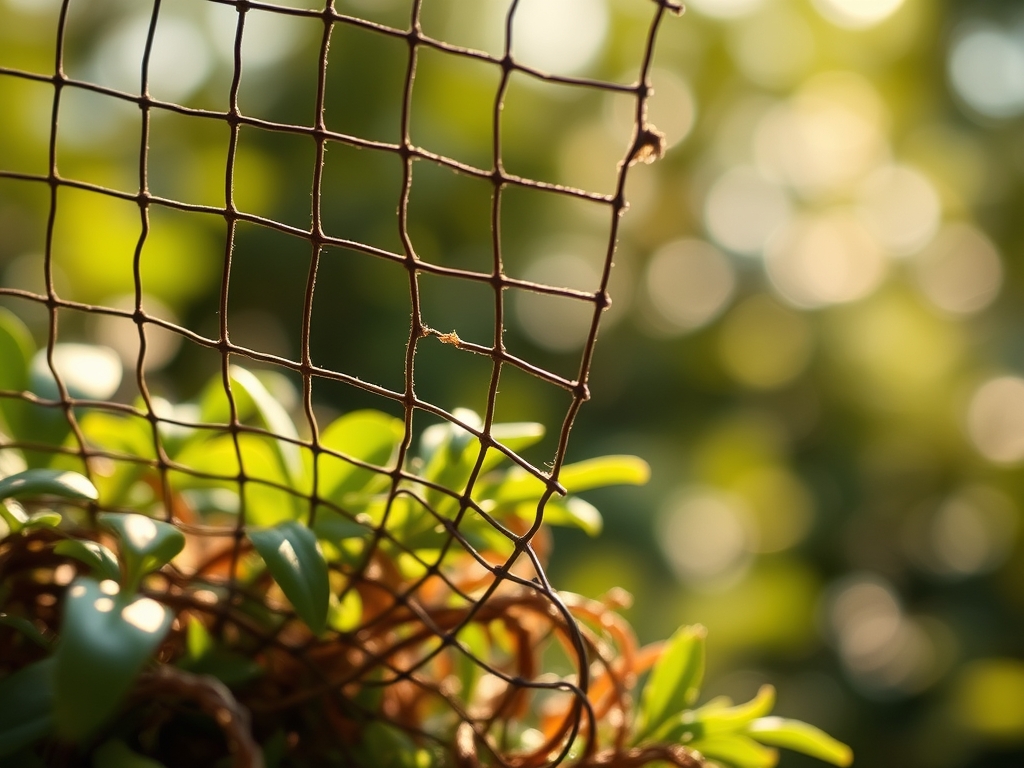
7 Best Wire mesh for Catios
The smell of damp earth and the crisp turgor of a healthy leaf define the success of any horticultural project; however, a true master gardener understands that the structural integrity of the enclosure is just as vital as the soil pH. When constructing an outdoor feline enclosure, selecting the best wire mesh for catios requires an understanding of tensile strength and corrosion resistance. The mesh must withstand environmental stressors while maintaining the safety of the interior botanical environment. Selecting a material that balances visibility with a high gauge rating ensures that the enclosure remains a functional extension of the garden.
Successful catio construction starts with a foundation that mimics the stability of a well-aggregated soil structure. You are not merely building a cage; you are establishing a controlled microclimate where both flora and fauna must coexist. The mesh serves as the primary barrier against external pressure and biological intrusion. It must be rigid enough to prevent sagging over time, yet flexible enough to be manipulated during the framing phase. A heavy 16-gauge or 14-gauge wire provides the necessary structural rigidity to resist the impact of climbing or external predators.
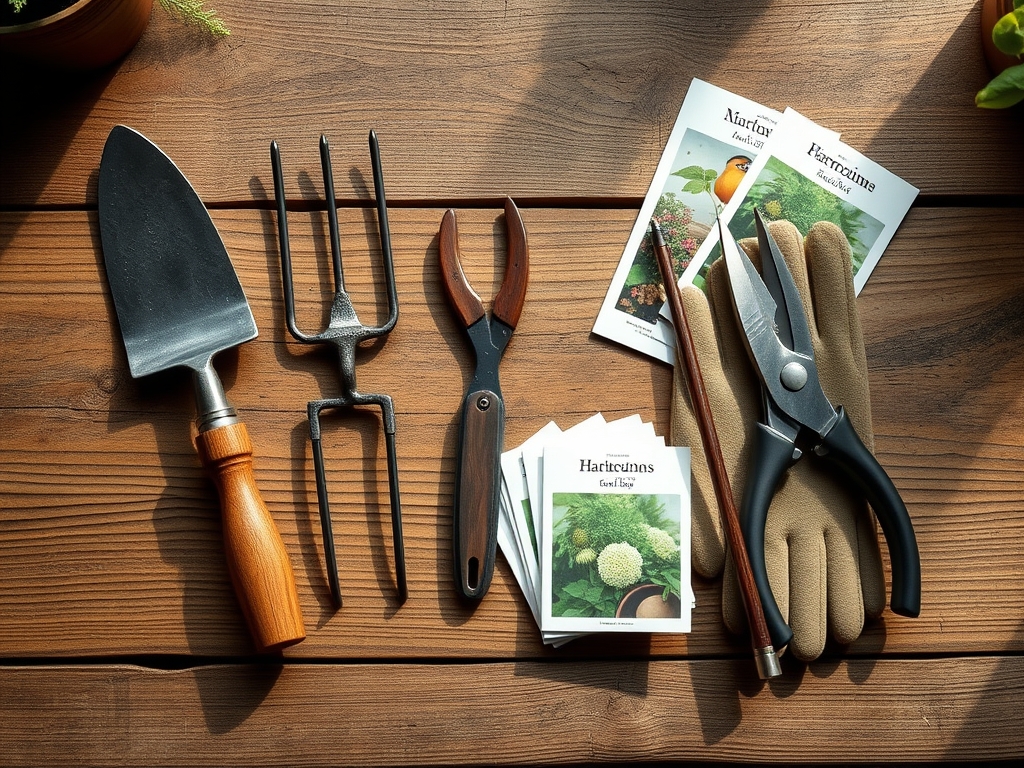
Materials:
The ideal substrate for any plantings within the catio should be a friable loam with a **Cation Exchange Capacity (CEC) between 15 and 25 milliequivalents per 100g**. This allows for optimal nutrient retention of essential ions. For cat-safe botanical additions, maintain a **soil pH between 6.0 and 7.0** to ensure the bioavailability of phosphorus and micronutrients.
When selecting the best wire mesh for catios, focus on these seven specific material grades:
- Black PVC-Coated Galvanized Steel: The gold standard for durability; the coating prevents oxidation and provides a neutral aesthetic.
- 19-Gauge Hardware Cloth: Features a 1/2-inch square opening, providing a barrier against even small rodents.
- Stainless Steel 304 Mesh: High corrosion resistance for coastal environments with high salt spray.
- Vinyl-Coated Welded Wire: Offers a softer tactile surface for climbing paws while maintaining a tensile strength of 60,000 PSI.
- 16-Gauge 2×2 Inch Fencing: Best for large-scale enclosures where maximum airflow is required.
- Pet Screen (Heavy-Duty Polyester): Useful for insect exclusion in high-humidity zones.
- Hexagonal Poultry Netting (Galvanized): A budget-friendly option that requires frequent tensioning to prevent senescence of the structural frame.
Timing:
Construction and planting should align with Hardiness Zones 4 through 9, specifically during the window between the last spring frost and the onset of summer heat. In Zone 7, this typically occurs between April 15 and May 10. Monitoring the biological clock of your integrated plants is essential; transition from vegetative growth to reproductive stages is triggered by the photoperiod. Ensure the catio mesh does not obstruct more than 15 percent of available PAR (Photosynthetically Active Radiation) to prevent etiolation in sun-loving species.
Phases:

Sowing and Site Preparation
Clear the footprint of all perennial weeds and excavate to a depth of 8 inches. Incorporate organic matter to achieve a bulk density of approximately 1.3 grams per cubic centimeter. This ensures the rhizosphere has sufficient oxygen for cellular respiration.
Pro-Tip: Use a hori-hori knife to check for soil compaction. Proper aeration encourages mycorrhizal symbiosis, where fungal hyphae extend the root system's reach for phosphorus uptake.
Transplanting and Frame Attachment
Secure the wire mesh to the cedar or pressure-treated frame using 1-inch galvanized poultry staples spaced every 4 inches. Ensure the mesh is pulled taut to avoid structural fatigue. When placing plants like Catnip (Nepeta cataria) or Wheatgrass (Triticum aestivum), ensure the root ball is level with the soil surface to avoid stem rot.
Pro-Tip: Maintain high turgor pressure in new transplants by watering immediately after installation. This prevents wilting by ensuring the xylem can transport water to the leaf margins through transpiration pull.
Establishing the Microclimate
Monitor the catio for "dead air" pockets. The mesh aperture size directly impacts wind velocity and gas exchange. A 1/2-inch grid provides the best balance of safety and airflow.
Pro-Tip: Prune lower branches of interior shrubs to encourage auxin suppression in the lateral buds. This promotes upward growth and prevents the plant from becoming a dense harbor for unwanted moisture.
The Clinic:
Physiological disorders in catio plants often stem from restricted root zones or improper mesh placement.
Symptom: Interveinal chlorosis on young leaves.
Solution: This indicates Iron deficiency, often caused by a pH above 7.2. Lower the pH using elemental sulfur to increase iron solubility.
Symptom: Purpling of older foliage.
Solution: Phosphorus deficiency. Check soil temperatures; if below 55 degrees Fahrenheit, phosphorus uptake is biologically inhibited regardless of soil concentration.
Symptom: Tip burn on Cat Grass.
Solution: Salt accumulation. Flush the soil with 2 inches of water to leach excess fertilizer salts from the root zone.
Fix-It Section: For Nitrogen chlorosis (general yellowing of older leaves), apply a water-soluble fertilizer with an NPK ratio of 10-5-5. Nitrogen is highly mobile in the plant; you should see a restoration of chlorophyll production within 7 to 10 days.
Maintenance:
Precision is the difference between a thriving enclosure and a failing one. Deliver 1.5 inches of water per week at the drip line using a soaker hose or drip irrigation system. Use a soil moisture meter to ensure the moisture level remains between 40% and 60% field capacity.
For the mesh, inspect for "zinc whiskers" or rust spots annually. Clean the wire with a mild solution of acetic acid (vinegar) to remove mineral deposits that can harbor pathogens. Use bypass pruners to remove any dead or senescent plant material that touches the mesh; this prevents the spread of fungal spores through contact.
The Yield:
When harvesting cat-safe herbs like Valerian or Catnip, timing is critical. Harvest during the early morning hours after the dew has evaporated but before the sun reaches its zenith. This is when essential oil concentration is at its peak. Use sharp shears to cut just above a node; this stimulates new axillary growth. For "day-one" freshness, place stems in a 10% sucrose solution and store at 40 degrees Fahrenheit to slow the metabolic rate.
FAQ:
What is the strongest mesh for a catio?
16-gauge galvanized steel wire with a PVC coating offers the highest tensile strength. It resists rust and withstands the force of a jumping adult cat, ensuring long-term structural integrity in varied climates.
Will chicken wire work for a catio?
Standard chicken wire is too thin and prone to stretching. It lacks the rigidity to prevent predators from pushing through. Use welded wire hardware cloth for superior protection and a more professional finish.
Does black mesh provide better visibility?
Yes. Black PVC-coated mesh absorbs sunlight rather than reflecting it. This reduces glare and allows the human eye to focus on the garden landscape beyond the wire, providing a more seamless visual experience.
How do I prevent the mesh from rusting at the bottom?
Ensure the mesh is elevated 2 inches above the soil line or attached to a rot-resistant baseboard. Use stainless steel fasteners to prevent galvanic corrosion between the wire and the staples.