9 Fun Ways How to Build a Garden Catio
The scent of damp humus and the gritty texture of decomposed granite underfoot signal the foundation of a functional outdoor structure. Successful cultivation requires more than just aesthetics; it demands an understanding of how to build a garden catio that integrates with the existing ecosystem. A well engineered enclosure provides safety for domestic felines while maintaining the physiological health of the surrounding flora. You must manage the microclimate within the mesh to prevent heat stress and ensuring the turgor pressure of the interior plantings remains high through consistent transpiration. This project requires a rigorous assessment of site drainage and light infiltration. By aligning the structural footprint with the local topography, you create a space where the rhizosphere remains undisturbed and the feline inhabitants can engage with a controlled slice of the outdoors. Professional execution relies on selecting materials that withstand environmental degradation while fostering a symbiotic relationship between the built environment and the living landscape.
Materials:
The success of the interior plantings depends on a **friable loam** substrate with a **pH range of 6.0 to 7.0**. For container-based catios, use a sterile potting medium with a high **Cation Exchange Capacity (CEC)** to ensure nutrient retention. The nutrient profile should focus on a **5-10-5 NPK ratio** for root development or a **10-10-10** for general maintenance. High nitrogen levels (above 15%) can lead to rapid, weak growth that is easily damaged by feline activity.
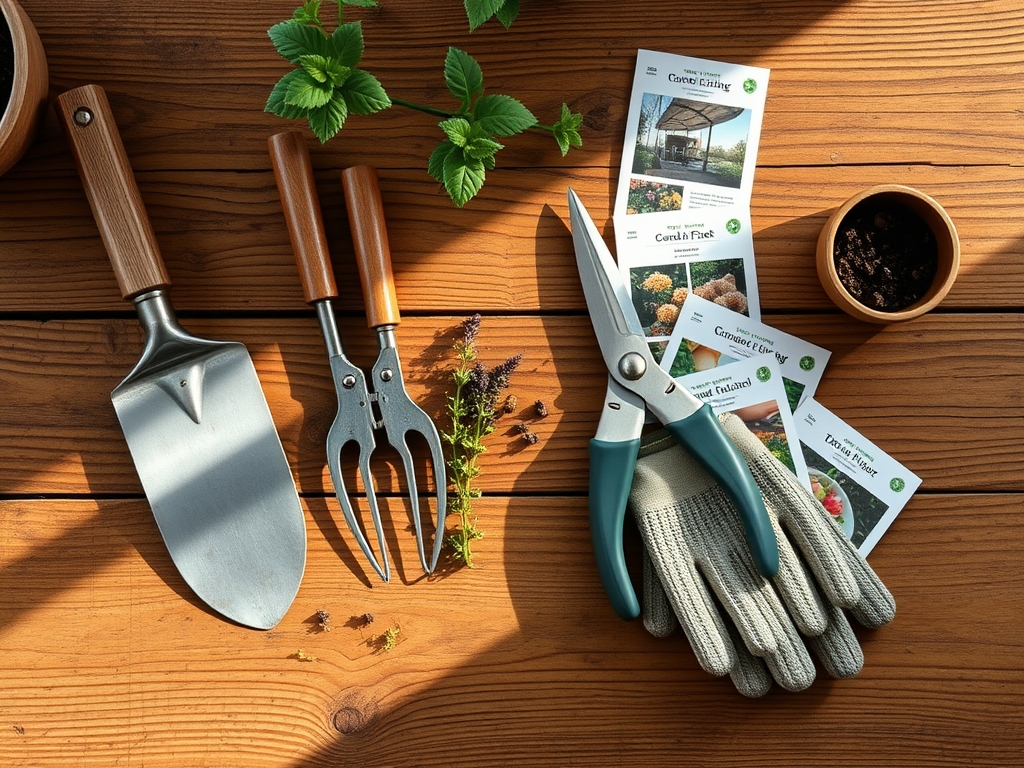
Structural components must include 16-gauge galvanized steel mesh with openings no larger than 1 inch by 1 inch. For the frame, utilize pressure-treated lumber rated for ground contact or naturally rot-resistant cedar. Hardware should be 304-grade stainless steel to prevent oxidation. If you are planting directly into the ground within the catio, incorporate 2 inches of organic compost to improve soil structure and microbial activity.
Timing:
Construction and planting should align with your specific USDA Hardiness Zone. For Zones 5 through 7, the ideal window for site preparation is the early spring, immediately after the last frost date when the soil temperature reaches a consistent 55 degrees Fahrenheit. This allows the root systems of cat-safe plants like Nepeta cataria or Chlorophytum comosum to establish before the peak heat of summer.
Understanding the biological clock of your plants is essential. Most temperate species transition from the vegetative stage to the reproductive stage based on the photoperiod. In the autumn, as day length decreases, plants begin senescence, moving nutrients from the leaves to the root system for winter storage. Ensure the catio structure does not cast excessive shade that would prematurely trigger this dormancy or cause etiolation (weak, leggy growth) due to insufficient light.
Phases:

Sowing
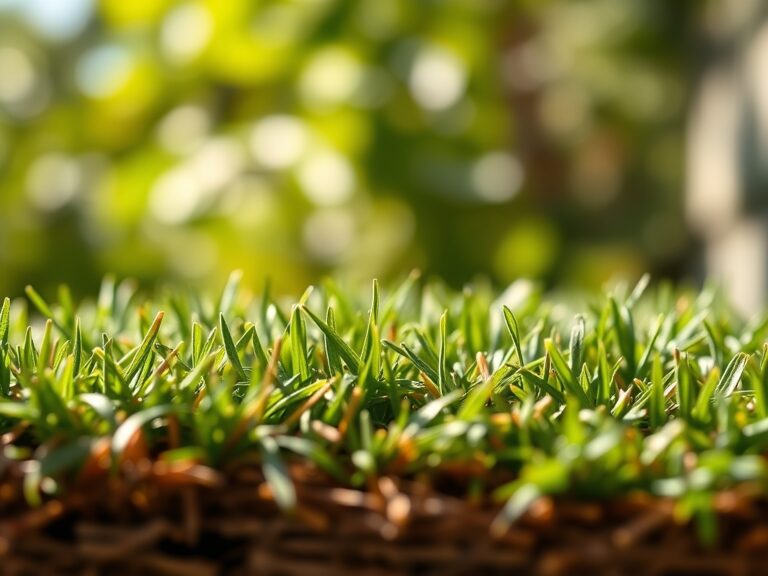
Direct sow seeds for feline-safe grasses, such as Avena sativa, at a depth of 0.25 inches. Maintain a soil moisture level of 70% field capacity until germination occurs.
Pro-Tip: Ensure seeds have adequate contact with the soil to facilitate imbibition. This is the process where the seed coat absorbs water to activate metabolic processes; without it, the embryo remains dormant.
Transplanting
When moving established plants into the catio, dig a hole twice the width of the root ball. Position the plant so the crown is level with the soil surface to prevent stem rot.
Pro-Tip: Gently tease the roots to break any circumnutation (root circling). This encourages the roots to grow outward into the new soil, utilizing mycorrhizal symbiosis to enhance water and nutrient uptake.
Establishing
During the first 21 days, plants require daily monitoring. Use a soil moisture meter to ensure the root zone does not drop below 30% moisture content.
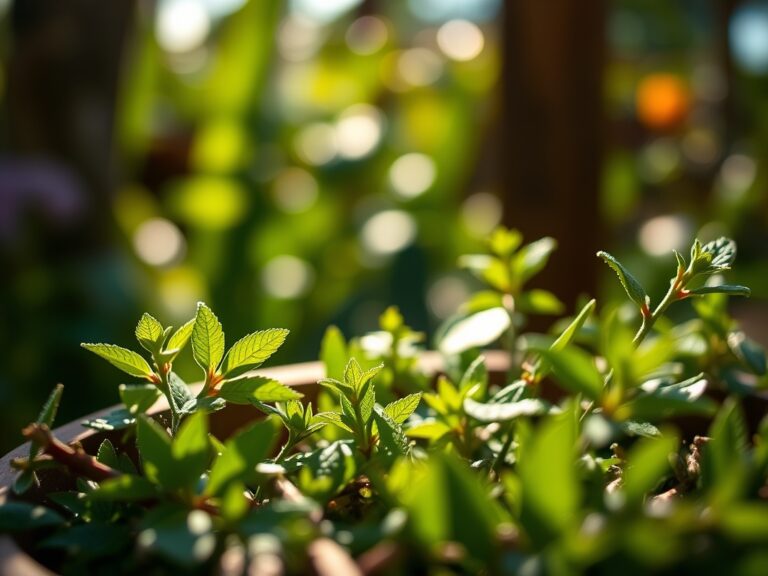
Pro-Tip: Implement pinching on young herbs to suppress apical dominance. By removing the terminal bud, you redirect auxins to lateral buds, resulting in a bushier, more resilient plant that can better withstand feline interaction.
The Clinic:
Physiological disorders often arise from environmental stress rather than pathogens. Monitor these specific symptoms:
- Leaf Scorch: Characterized by browning margins. This indicates excessive transpiration exceeding the roots' ability to supply water. Solution: Increase irrigation frequency and provide 30% shade cloth during peak UV hours.
- Nitrogen Chlorosis: Older leaves turn uniform pale yellow. Solution: Apply a liquid fertilizer with a 10-0-0 profile to provide immediate bioavailability.
- Edema: Small bumps or blisters on the underside of leaves. This is caused by high soil moisture and low atmospheric evaporation. Solution: Improve airflow within the catio using a small solar fan.
- Phosphorus Deficiency: Leaves exhibit a purplish tint, especially on the undersides. Solution: Incorporate bone meal or a high-phosphate fertilizer into the top 3 inches of soil.
Maintenance:
Precision is the hallmark of a professional garden. Provide 1.5 inches of water per week at the drip line; do not wet the foliage, as this encourages fungal growth. Use a hori-hori knife for deep weeding to ensure the entire taproot is removed without disturbing the surrounding rhizosphere.
Pruning should be performed with sharp bypass pruners to ensure clean cuts that heal quickly. Remove no more than 25% of the leaf mass at one time to avoid shocking the plant. Check the structural integrity of the mesh monthly; tighten any loose fasteners to maintain a secure perimeter. Every six months, top-dress the soil with 0.5 inches of vermicompost to replenish micronutrients and maintain a healthy soil structure.
The Yield:
If growing catnip or wheatgrass, harvest when the plant reaches 6 to 8 inches in height. Use sharp shears to cut the stems 1 inch above the soil line, leaving the basal meristem intact for regrowth. To maintain "day-one" freshness and potency of essential oils, harvest in the early morning after the dew has evaporated but before the sun reaches its zenith. This timing ensures the highest concentration of nepetalactone in catnip. For storage, hang bundles in a cool, dark location with low humidity to prevent mold while the moisture content drops to approximately 10%.
FAQ:
What is the best mesh for a garden catio?
Use 16-gauge galvanized steel wire with a 1-inch grid. This provides a balance of structural rigidity and visibility while preventing feline escape and keeping out most local wildlife.
How do I prevent soil compaction in the catio?
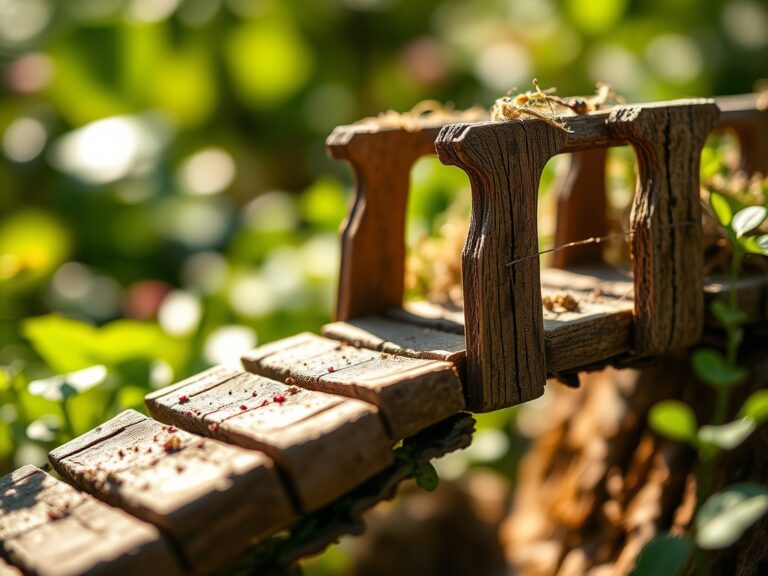
Install elevated cedar walkways or stepping stones. This distributes the weight of humans and animals, protecting the soil pore space and ensuring oxygen can reach the plant roots.
Are pressure-treated lumbers safe for catio plants?
Modern ACQ-treated lumber is generally safe; however, use a plastic liner between the wood and the soil if growing edibles. This prevents the leaching of copper-based preservatives into the rhizosphere.
How much sunlight does a garden catio need?
Aim for 6 hours of filtered sunlight daily. This supports the photosynthetic requirements of most temperate plants while preventing the enclosure from becoming a heat trap for the feline inhabitants.