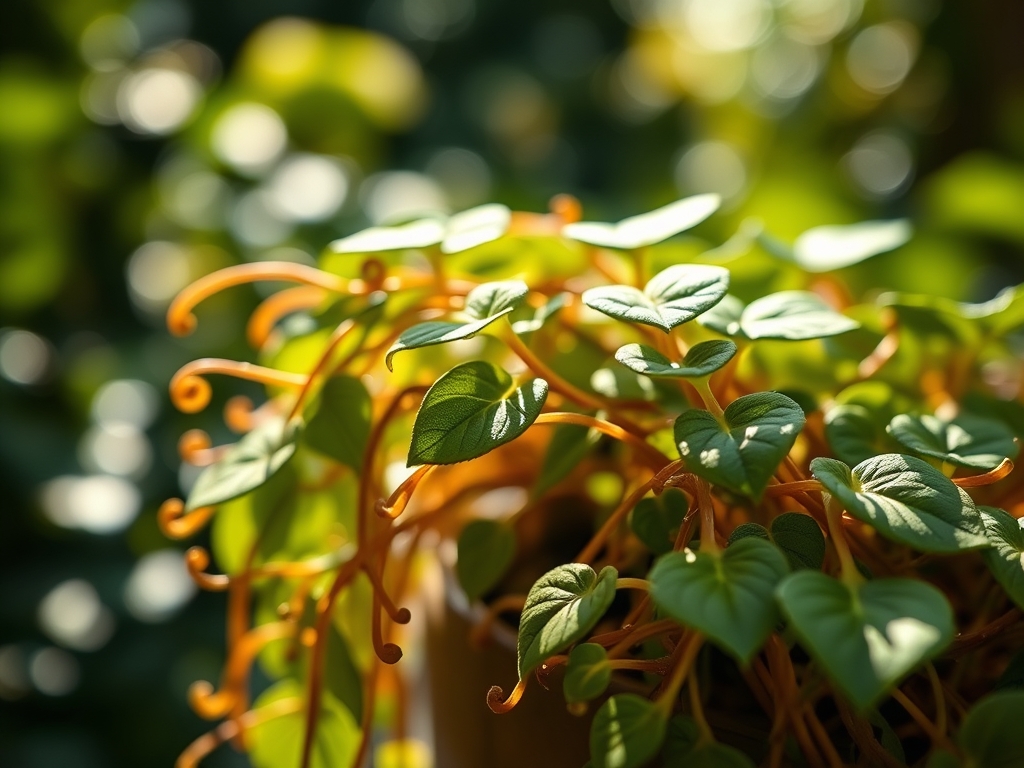
9 Vital Steps to Grow Pothos Golden Vines
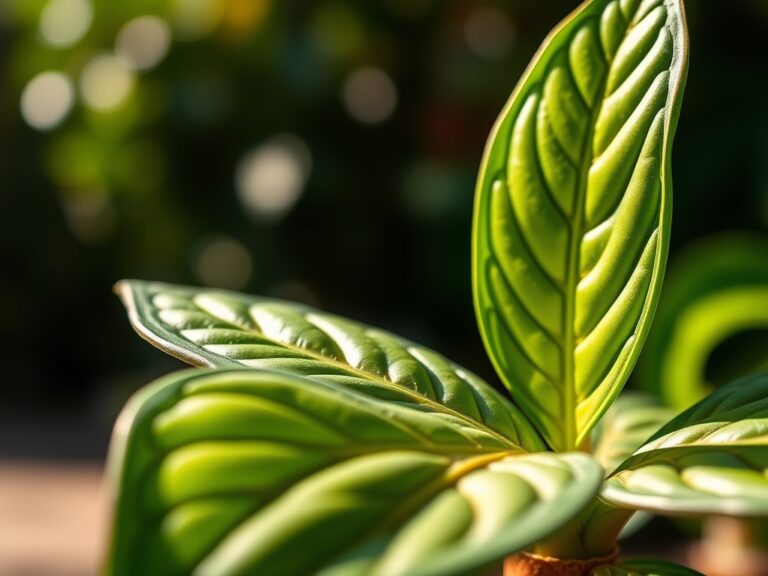
The golden pothos (Epipremnum aureum) climbs toward light with waxy, heart-shaped leaves marbled in cream and chartreuse. Its aerial roots grip bark and moss poles, releasing a faint, vegetal scent when pruned. For indoor gardeners seeking reliable foliage, mastering the steps to grow pothos golden vines transforms spare corners into cascades of year-round growth. These steps to grow pothos golden vines demand attention to substrate chemistry, node placement, and auxin distribution.
Materials
Pothos thrives in a well-aerated medium with pH 6.1–6.5. Combine two parts peat moss, one part perlite, and one part aged bark fines. This blend supports cation exchange capacity while preventing anaerobic pockets that rot adventitious roots.
For nutrition, apply a balanced 10-10-10 water-soluble fertilizer at quarter strength every watering during active growth. Alternatively, use a 4-4-4 organic granular meal amended with kelp. The nitrogen drives leaf expansion, phosphorus supports root initiation at nodes, and potassium regulates stomatal function under fluctuating indoor humidity.
Acquire 6-inch nursery pots with drainage holes, a sphagnum moss pole or cedar plank, and floral wire for training. Mycorrhizal fungi inoculant, though optional, colonizes roots and improves nutrient uptake in lean substrates.

Timing
Pothos is a tropical evergreen, hardy in USDA Zones 10–12 outdoors. Indoors, initiate propagation after the spring equinox when photoperiod exceeds 12 hours. Natural auxin synthesis peaks during lengthening days, accelerating root emergence from cuttings.
Avoid propagation during December and January unless supplemental grow lights provide 14–16 hours of 5000K spectrum light. Ambient temperatures should remain between 65–80°F. Below 55°F, cellular respiration slows and root primordia abort.
Phases
Sowing (Propagation)
Pothos propagates vegetatively. Select a 4–6 inch stem section bearing at least two nodes and three leaves. Using sterilized pruning shears, cut 0.25 inches below the lowest node at a 45-degree angle. This angle maximizes the cambium surface area exposed to rooting hormone.
Dip the cut end in 0.1% indole-3-butyric acid powder. Suspend the cutting in distilled water or insert directly into pre-moistened propagation medium. Change water every 72 hours to prevent bacterial biofilm. Roots emerge in 10–14 days.
Pro-Tip: Enclosing the cutting in a clear plastic dome elevates relative humidity to 85%, reducing transpiration stress before roots develop.

Transplanting
Once roots reach 2 inches in length, transplant into a 4-inch pot filled with the prepared substrate. Position the lowest node 0.5 inches below the soil surface. Firm the medium gently to eliminate air pockets around fragile root hairs.
Water with 6 ounces of room-temperature water amended with 1 gram of soluble mycorrhizal inoculant per gallon. The symbiotic fungi colonize within 21 days, extending the effective root zone by 40%.
Pro-Tip: Transplant during late afternoon. Reduced light intensity minimizes post-transplant wilting.
Establishing
After four weeks, train vines onto a moss pole inserted 3 inches from the stem base. Secure stems with floral wire loops every 8 inches, angled upward at 60 degrees. This orientation mimics the plant's natural scandent habit, encouraging larger leaf fenestration and pronounced variegation as the vine matures.
Rotate the pot 90 degrees weekly to balance auxin distribution and prevent phototropic lean. Pinch terminal buds every 12 inches to stimulate lateral branching and denser canopy architecture.
Pro-Tip: Mist the moss pole daily with distilled water. Aerial roots will anchor into the moist substrate, stabilizing the vine and increasing vascular uptake.
Troubleshooting
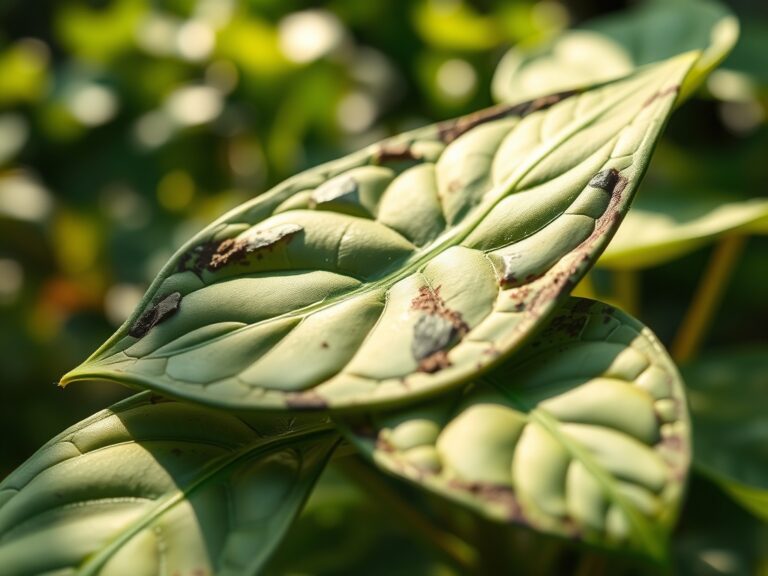
Symptom: Yellowing lower leaves with brown margins.
Solution: Excess soluble salts. Leach the substrate with distilled water at twice the pot volume. Reduce fertilizer concentration to one-eighth strength.
Symptom: Pale, washed-out variegation.
Solution: Insufficient light. Reposition to receive 200–400 foot-candles of indirect light for 10 hours daily. Avoid direct sun, which scorches thin leaf tissue.
Symptom: Black, mushy stem base.
Solution: Pythium root rot. Remove affected tissue 1 inch above lesion. Repot into fresh, sterile medium. Apply hydrogen peroxide drench at 1 teaspoon per cup of water.
Symptom: Sticky residue and deformed new growth.
Solution: Aphid infestation. Spray with insecticidal soap at 2% concentration, targeting leaf undersides. Repeat every 5 days for three applications.
Symptom: Stunted internodes and crispy leaf tips.
Solution: Low humidity below 40%. Place pot on a pebble tray filled with 0.5 inches of water. Use a humidifier to maintain 50–60% relative humidity.
Maintenance
Water when the top 1 inch of substrate feels dry to touch, typically every 7–10 days. Apply 8 ounces per 6-inch pot, allowing excess to drain freely. Overwatering collapses root aerenchyma and invites anaerobic pathogens.
Prune leggy vines in early spring, cutting just above a node. This stimulates dormant meristems and redirects energy to basal growth. Wipe leaves monthly with a damp cloth to remove dust, improving gas exchange through stomata.
Repot every 18–24 months or when roots circle the pot perimeter. Increase pot diameter by 2 inches, refreshing substrate to replenish humus and maintain cation exchange capacity.
FAQ
How fast do pothos golden vines grow?
Expect 12–18 inches of growth per month under optimal conditions: 70°F, 60% humidity, and 10 hours of indirect light.
Can I grow pothos in water permanently?
Yes, but growth slows by 30%. Refresh water weekly and add 0.5 ml of hydroponic nutrient solution per liter.
Why are my leaves smaller than nursery specimens?
Juvenile leaves remain small without vertical climbing support. Provide a moss pole to trigger mature foliage expression.
Is pothos toxic?
All parts contain calcium oxalate crystals. Ingestion causes oral irritation in pets and humans. Place out of reach.
How do I increase variegation intensity?
Select cuttings from highly variegated sections. Bright indirect light and slight nitrogen restriction (3-4-4 ratio) enhance cream pigmentation.