5 Easy Ways How to Grow String of Pearls
Turgor pressure defines the life of Senecio rowleyanus. When you compress a healthy epidermal vesicle between your thumb and forefinger, it should resist with the firm elasticity of a pressurized hydration vessel. The scent of a high-performing greenhouse is not floral; it is the metallic tang of wet perlite and the earthy musk of active fungal colonies in the rhizosphere. Learning how to grow string of pearls requires a shift from casual observation to precise physiological monitoring.
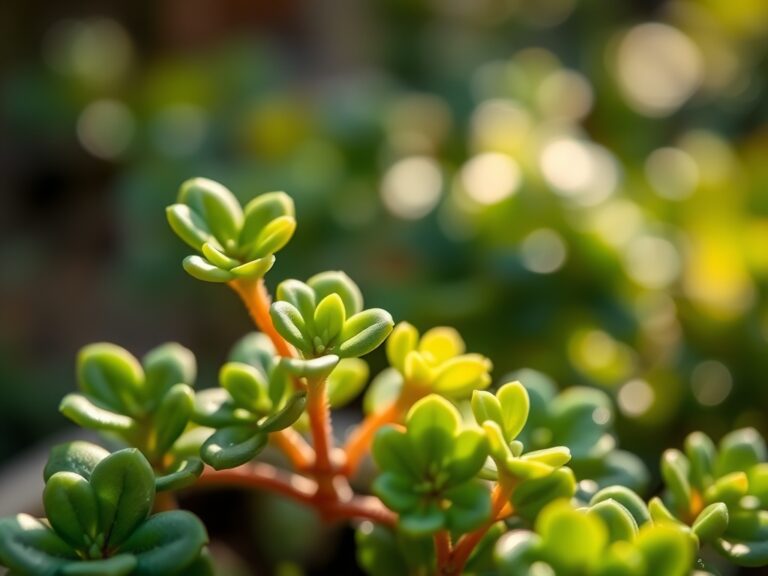
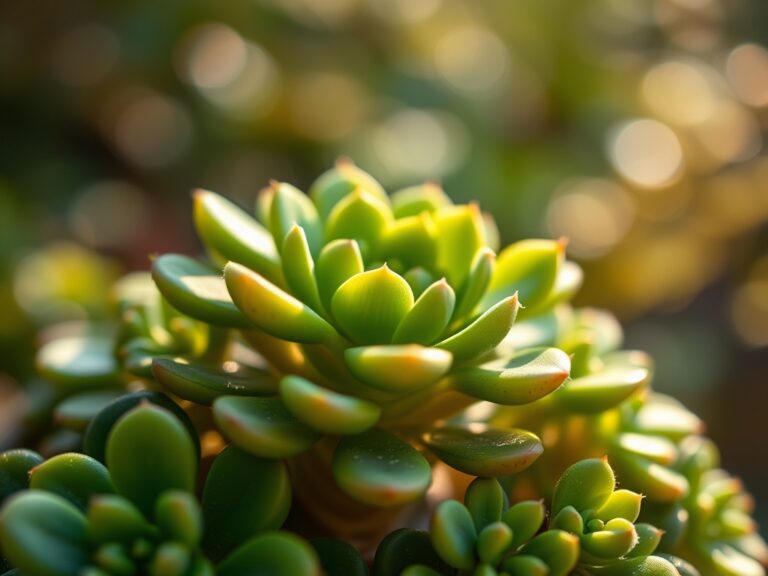
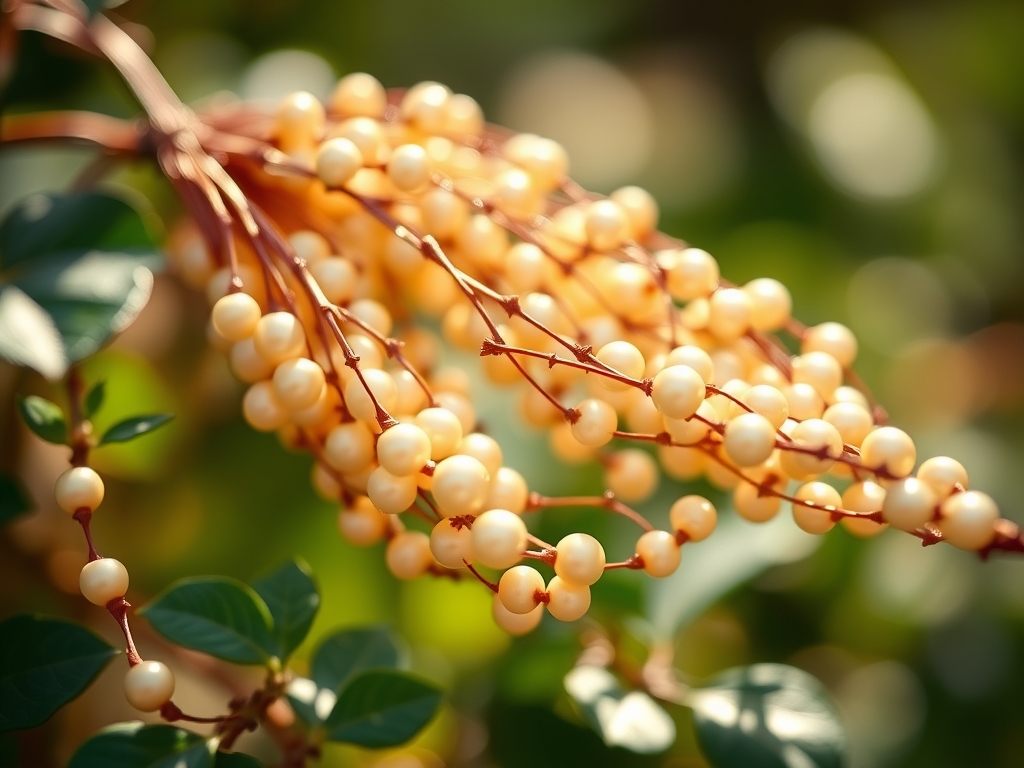
Success begins with understanding that these spheres are modified leaves designed for water storage in arid environments. Each pearl features a translucent epidermal window that allows light to penetrate the interior photosynthetic tissue. If the pearl feels soft or appears shriveled, the plant has exhausted its internal reservoirs. To master this species, you must balance light intensity with strict moisture control to prevent cellular collapse.
Materials:
The substrate is the most critical variable in the cultivation of this succulent. You require a medium with high macroporosity to ensure rapid drainage. A friable mineral mix is superior to standard potting soil. Aim for a pH range of 6.0 to 7.0. The Cation Exchange Capacity (CEC) should be moderate to allow for steady nutrient uptake without salt accumulation.
Assemble the following components for an ideal growing medium:
- 50 percent inorganic grit: Use coarse poultry grit, pumice, or calcined clay. This ensures the roots are never submerged in anaerobic conditions.
- 30 percent organic matter: High quality coconut coir or screened peat moss provides the necessary carbon base.
- 20 percent perlite: This increases the air porosity of the mix.
- Fertilizer: Use a controlled release formula with an NPK ratio of 10-10-10 or a liquid succulent fertilizer at half strength during the active growth phase. Avoid high nitrogen (N) formulas, as they induce weak, leggy growth and reduce the structural integrity of the stems.
Timing:
Senecio rowleyanus is hardy in USDA Zones 9 through 12. In these regions, it can remain outdoors year round provided temperatures do not drop below 45 degrees Fahrenheit. In cooler climates, the plant must be transitioned indoors before the first frost date. The biological clock of the plant is governed by the photoperiod.
Vegetative growth peaks during the spring and summer when daylight exceeds 12 hours. As the photoperiod shortens in autumn, the plant enters a semi-dormant state. This transition is essential for the reproductive stage. To induce flowering, the plant requires a "cool down" period of six to eight weeks during winter with temperatures maintained between 50 and 60 degrees Fahrenheit. This thermal stress triggers the development of cinnamon scented, white discoid flowers in early spring.
Phases:

Sowing and Propagation
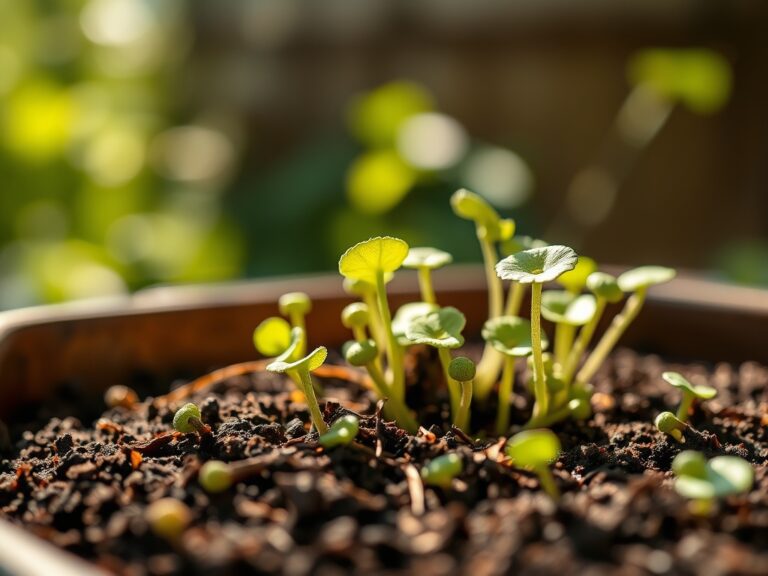
While seeds are an option, vegetative propagation via stem cuttings is the standard professional method. Select a healthy strand at least 4 inches long. Remove the pearls from the bottom 1 inch of the stem to expose the nodes.
Pro-Tip: Allow the cuttings to callus for 48 hours before placement. This prevents opportunistic pathogens from entering the vascular system. This process is driven by suberization, where the plant develops a waxy, protective layer over the wound to maintain internal osmotic pressure.
Transplanting
Place the callused stems directly onto the surface of the moistened substrate. Use a u-shaped floral pin to secure the nodes against the soil. Ensure the "windows" on the pearls are facing upward toward the light source.
Pro-Tip: Maintain high humidity around the cuttings for the first 14 days. This reduces the transpiration rate while the plant lacks a functional root system to replace lost moisture.
Establishing
Once roots reach a length of 1 inch, the plant is considered established. You will observe new terminal growth at the tips of the strands. At this stage, transition the plant to its permanent location with bright, indirect light.
Pro-Tip: Avoid frequent repositioning. The plant utilizes phototropism to orient its pearls for maximum light absorption. Constant movement forces the plant to expend energy reorienting its tissues, which can lead to stunted growth and reduced vigor.
The Clinic:
Physiological disorders in Senecio rowleyanus are usually the result of environmental imbalances rather than biotic agents.
-
Symptom: Mushy, blackened stems at the soil line.
Solution: This indicates root rot caused by anaerobic soil conditions. Immediately cease irrigation. Use bypass pruners to salvage healthy green tips and restart the propagation process in fresh, dry substrate. -
Symptom: Shrivelled pearls despite wet soil.
Solution: This is a sign of root senescence. If the roots have died due to overwatering, they can no longer transport water to the leaves. Check the root system; if it is brown and brittle, the plant requires a full substrate replacement and a reduction in watering frequency. -
Symptom: Pale, yellowing pearls (Chlorosis).
Solution: This is often a Nitrogen deficiency. Apply a balanced liquid fertilizer at 25 percent strength. If the yellowing persists, check the pH; a pH above 7.5 can lock out essential micronutrients like Iron and Magnesium. -
Fix-It: Edema.
Small tan bumps on the pearls indicate the plant has taken up more water than it can transpire. Increase airflow using a small fan and reduce the frequency of irrigation.
Maintenance:
Precision is the hallmark of professional maintenance. Use a soil moisture meter to verify that the top 2 inches of the substrate are completely dry before adding water. When you irrigate, apply water until it drains freely from the bottom of the pot. This flushes out accumulated mineral salts that can burn sensitive root hairs.
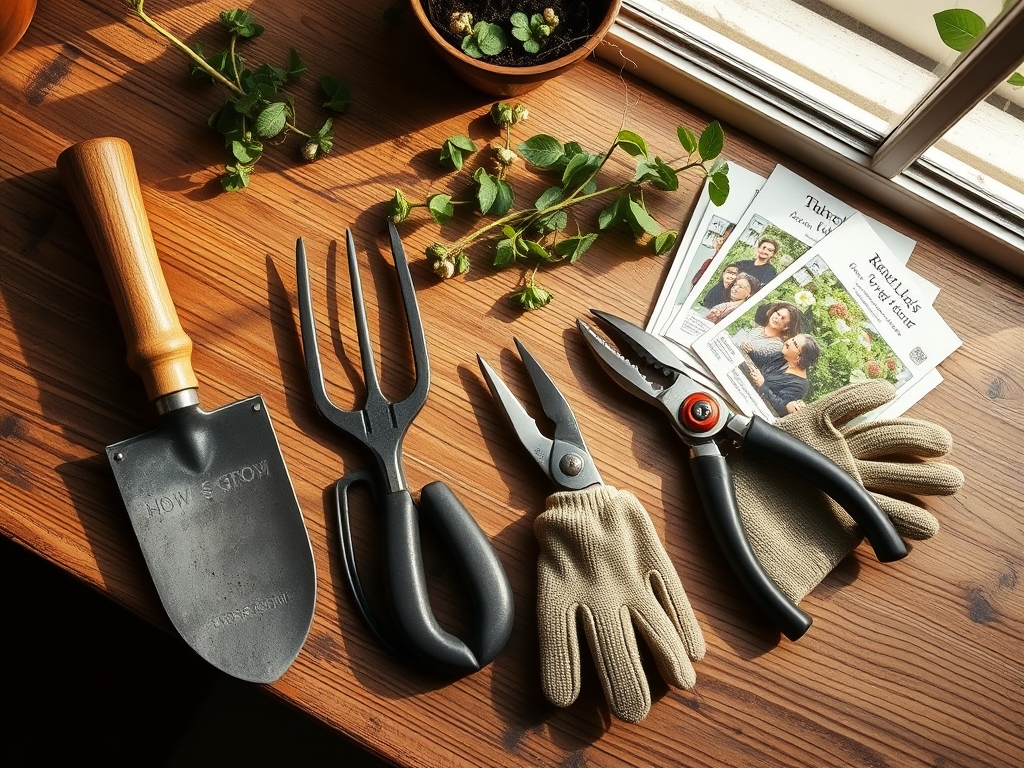
For indoor specimens, provide 12 to 14 hours of bright light. If using artificial lights, maintain a distance of 6 to 12 inches from the top of the plant to prevent thermal scorching. Pruning is necessary to maintain density. Use a hori-hori knife or sharp snips to remove leggy growth. Always cut just above a node to encourage branching. This manipulation of apical dominance redirects auxins to lateral buds, resulting in a fuller, more robust specimen.
The Yield:
While not an edible crop, the "yield" of a string of pearls is measured in the length and density of its strands. For professional display or gifting, harvest strands by cutting them at the desired length with sterilized tools. To maintain "day-one" freshness in a floral arrangement, sear the cut end of the stem or dip it in a rooting hormone to seal the vascular bundles. If the pearls are being used for propagation, keep them in a cool, shaded area until the callusing process is complete.
FAQ:
How much light does a string of pearls need?
Provide 6 to 8 hours of bright, indirect sunlight daily. Avoid direct afternoon sun, which causes leaf scorch. If using grow lights, aim for 10,000 to 15,000 lux to maintain compact growth and prevent etiolation.
Why are the pearls on my plant falling off?
Premature leaf abscission is typically caused by overwatering or sudden temperature shifts. Ensure the substrate dries completely between irrigation cycles and keep the plant away from cold drafts or heating vents that disrupt its internal stasis.
How often should I fertilize?
Apply a balanced, water soluble fertilizer at half strength once every four weeks during the spring and summer. Cease all fertilization during the winter dormancy period to prevent the accumulation of toxic mineral salts in the rhizosphere.
Can I grow string of pearls in a pot without drainage?
No. Lack of drainage leads to waterlogging and rapid root rot. Always use a container with multiple drainage holes and a porous substrate to ensure oxygen reaches the root system and maintains healthy cellular respiration.