10 Safe Ways How to Design a Pet Friendly Yard
The smell of damp earth after a morning rain signals more than just a change in weather; it indicates the activation of microbial life within the topsoil. Maintaining the turgor pressure of a healthy leaf requires a delicate balance of hydration and structural integrity. When you learn how to design a pet friendly yard, you are managing a living ecosystem that must withstand mechanical stress from paws while excluding phytotoxins. Success depends on selecting high-traffic cultivars and managing the rhizosphere to prevent compaction.
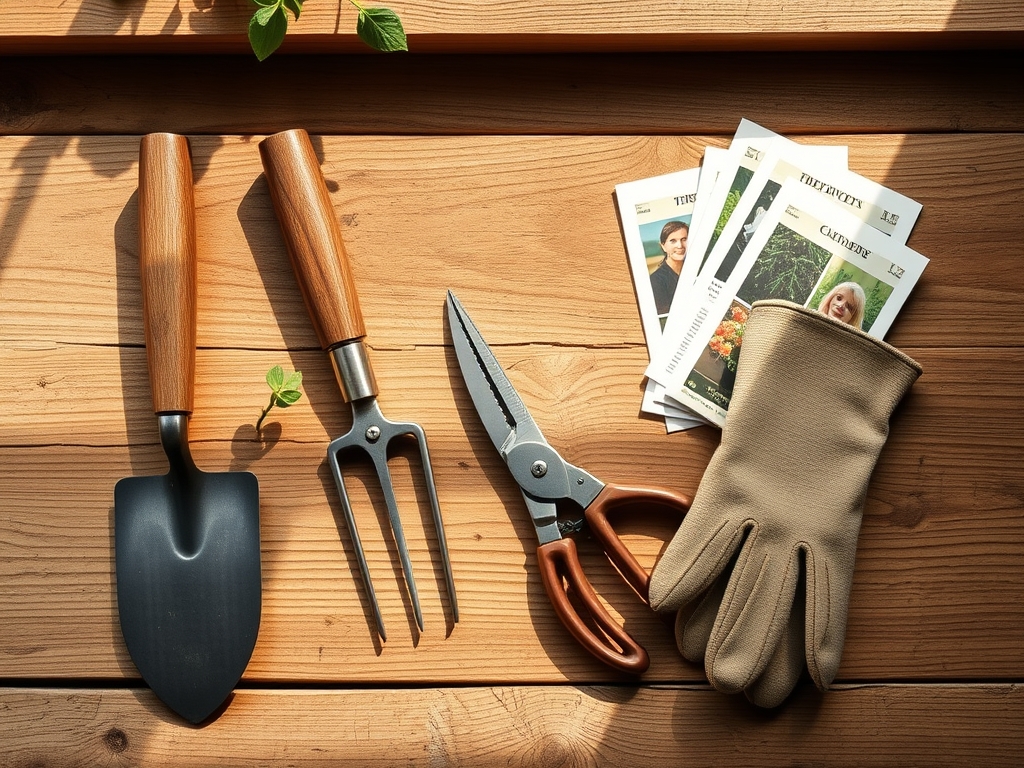
Materials:
The foundation of a resilient landscape is **friable loam**. This substrate should feel crumbly to the touch, indicating a balance of sand, silt, and clay that allows for optimal gas exchange. To support heavy traffic and rapid cellular repair in turf, maintain a **soil pH between 6.2 and 7.0**. High Cation Exchange Capacity (CEC) ensures that essential nutrients remain available to the roots rather than leaching away during irrigation.
For establishment, utilize a slow-release fertilizer with an NPK ratio of 10-10-10. This balanced delivery of Nitrogen, Phosphorus, and Potassium supports early root development without causing the rapid, succulent growth that is easily damaged by pets. If you are establishing a "dog-run" area with clover (Trifolium repens), shift to a 0-10-10 ratio once established. Clover is a nitrogen-fixer that draws atmospheric nitrogen into the soil through a symbiotic relationship with Rhizobium bacteria, rendering supplemental nitrogen unnecessary.
Timing:
In USDA Hardiness Zones 4 through 8, the window for structural planting is narrow. The biological clock of most temperate perennials is governed by the photoperiod. You must install your primary landscape elements during the dormant season or early spring, at least six weeks before the first frost or after the soil temperature consistently reaches 55 degrees Fahrenheit.
The transition from the vegetative stage to the reproductive stage is a period of high metabolic demand. If you plant during this shift, the specimen will prioritize flower production over root establishment, leading to a weak foundation. To ensure the yard survives pet activity, time your seeding so the root systems can reach a depth of at least 4 to 6 inches before the peak heat of summer.
Phases:
Sowing
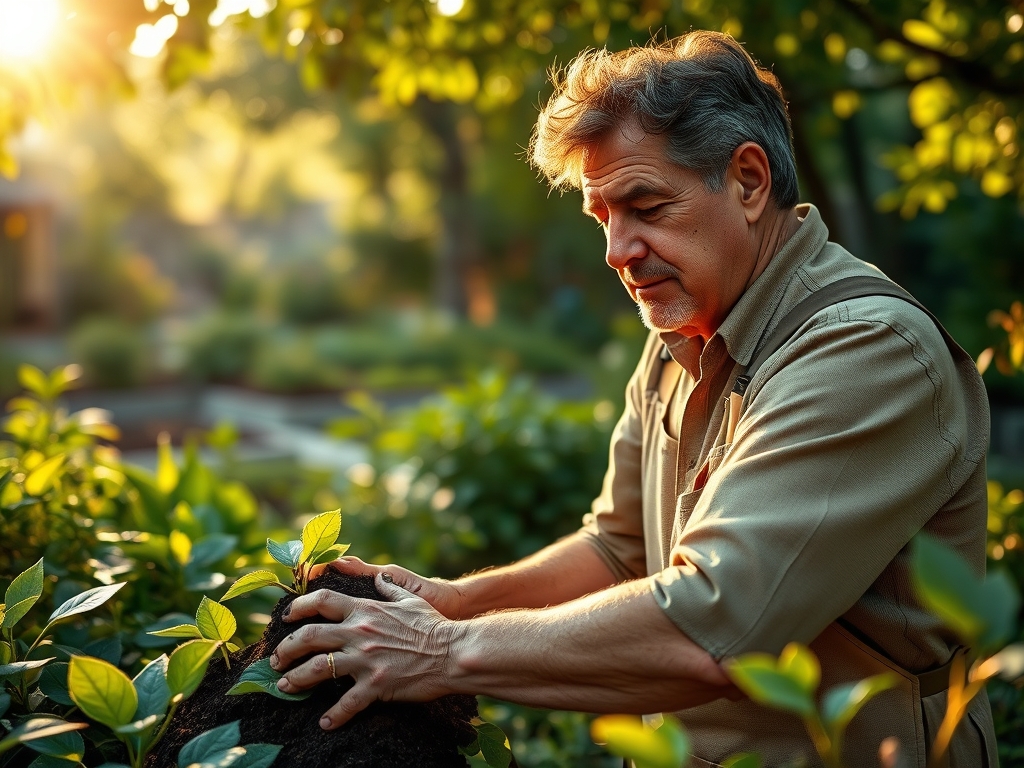
Prepare the seedbed by removing all debris and tilling to a depth of 8 inches. For a pet-friendly lawn, use a mix of Kentucky Bluegrass and Tall Fescue. These species utilize rhizomes and tillers to self-repair mechanical damage. Spread seed at a rate of 6 to 8 pounds per 1,000 square feet.
Pro-Tip: Cover new seeds with a thin layer of peat moss to maintain moisture. This prevents desiccation of the embryo, as the initial radical requires constant hydraulic pressure to penetrate the seed coat and enter the soil.
Transplanting
When moving shrubs like Forsythia or Mock Orange, dig a hole twice as wide as the root ball but no deeper. Ensure the root flare is visible at the soil surface. Backfill with native soil rather than heavy amendments to avoid the "pot effect," where roots refuse to leave the nutrient-rich planting hole.
Pro-Tip: Do not prune the canopy immediately after transplanting. Maintaining apical dominance suppresses the growth of lateral buds through auxin suppression, allowing the plant to direct all its glucose reserves toward root regeneration.
Establishing
Irrigate the area deeply but infrequently. You want the water to reach a depth of 12 inches to encourage deep rooting. Shallow watering creates a weak root system that will fail under the physical stress of a running animal.
Pro-Tip: Inoculate the soil with mycorrhizal fungi. This symbiosis expands the surface area of the root system by up to 100 times, significantly increasing the plant's ability to uptake phosphorus and water during periods of environmental stress.
The Clinic:
Physiological disorders in a pet-integrated yard often mimic nutrient issues.
- Symptom: Circular patches of necrotic (dead) brown grass with bright green perimeters.
Solution: This is caused by high concentrations of urea. Flush the area with 2 gallons of water per square foot immediately after contact to dilute the nitrogen salts.
- Symptom: Interveinal chlorosis (yellowing between leaf veins) on new growth.
Solution: This indicates an Iron deficiency, often caused by high soil pH. Apply chelated iron and check the pH levels; if the reading is above 7.5, incorporate elemental sulfur to acidify the substrate.
- Symptom: Marginal leaf burn on woody ornamentals.
Solution: This is often a sign of "salt burn" from winter de-icing agents or excessive pet waste. Use a soil moisture meter to ensure the root zone is not waterlogged, then apply a gypsum-based soil conditioner to displace sodium ions.
Fix-It: For general Nitrogen chlorosis (uniform yellowing of older leaves), apply a quick-release 21-0-0 Ammonium Sulfate at a rate of 0.5 pounds of actual nitrogen per 1,000 square feet. This provides an immediate metabolic boost to restore chlorophyll production.
Maintenance:
A pet-friendly yard requires rigorous monitoring. Provide 1.5 inches of water per week at the drip line of all major trees and shrubs. Use a soil moisture meter every three days to check the moisture levels at a depth of 6 inches.
Keep your bypass pruners sharp to ensure clean cuts that heal quickly; jagged tears are entry points for pathogens. When weeding, use a hori-hori knife to extract the entire taproot of dandelions or thistles, ensuring you do not leave root fragments that can regenerate. Aerate the soil twice a year using a core aerator to combat the compaction caused by animal traffic, which restricts oxygen flow to the rhizosphere.
The Yield:
If your design includes pet-safe herbs like Rosemary or Basil, harvest timing is critical for maximum essential oil content. Harvest in the early morning after the dew has evaporated but before the sun reaches its zenith. Use sharp snips to take no more than one-third of the plant's biomass at a time.
To maintain "day-one" freshness and prevent senescence, place the stems immediately into a container of cool water. This maintains the hydrostatic pressure within the xylem, preventing the leaves from wilting. For long-term storage, dry the herbs in a dark, well-ventilated area at 70 to 80 degrees Fahrenheit until the moisture content drops below 10 percent.
FAQ:
Which grass is best for high-traffic pet areas?
Tall Fescue is the superior choice for pet-heavy zones. Its deep root system, which can reach depths of 3 to 6 feet, provides excellent drought tolerance and mechanical durability against running paws and digging.
How do I neutralize dog urine in the soil?
You cannot "neutralize" it chemically with supplements. The only effective method is physical dilution. Apply at least one gallon of water to the site within minutes of contact to leach the concentrated nitrogen salts past the root zone.
Are wood chips safe for a pet-friendly yard?
Avoid cocoa mulch, which contains theobromine. Instead, use untreated cedar or hemlock chips. These provide a soft landing surface and have natural antimicrobial properties that help manage odors in high-use areas.
How do I stop soil compaction from pets?
Incorporate organic matter like compost to improve soil structure. Mechanically aerate the soil twice annually to a depth of 3 inches. This creates macropores that allow oxygen and water to reach the rhizosphere despite heavy surface traffic.