5 Best Replacement Handles for Tools
The smell of damp earth and the high turgor pressure of a healthy leaf signify a garden in peak metabolic performance. When a tool fails mid-task, the disruption affects the gardener's physical rhythm and the precise timing required for soil management. Identifying the best replacement handles for tools ensures that high-leverage activities, such as turning compacted clay or lifting heavy root balls, remain efficient. A cracked ash handle or a splintered fiberglass shaft reduces the mechanical advantage needed to penetrate the rhizosphere. Replacing these components with high-density materials allows for the continued application of force without compromising the structural integrity of the tool or the safety of the operator. Proper handle selection is not merely about aesthetics; it is a technical requirement for maintaining the leverage necessary to manage high-density substrates and large-scale botanical installations.
Materials:
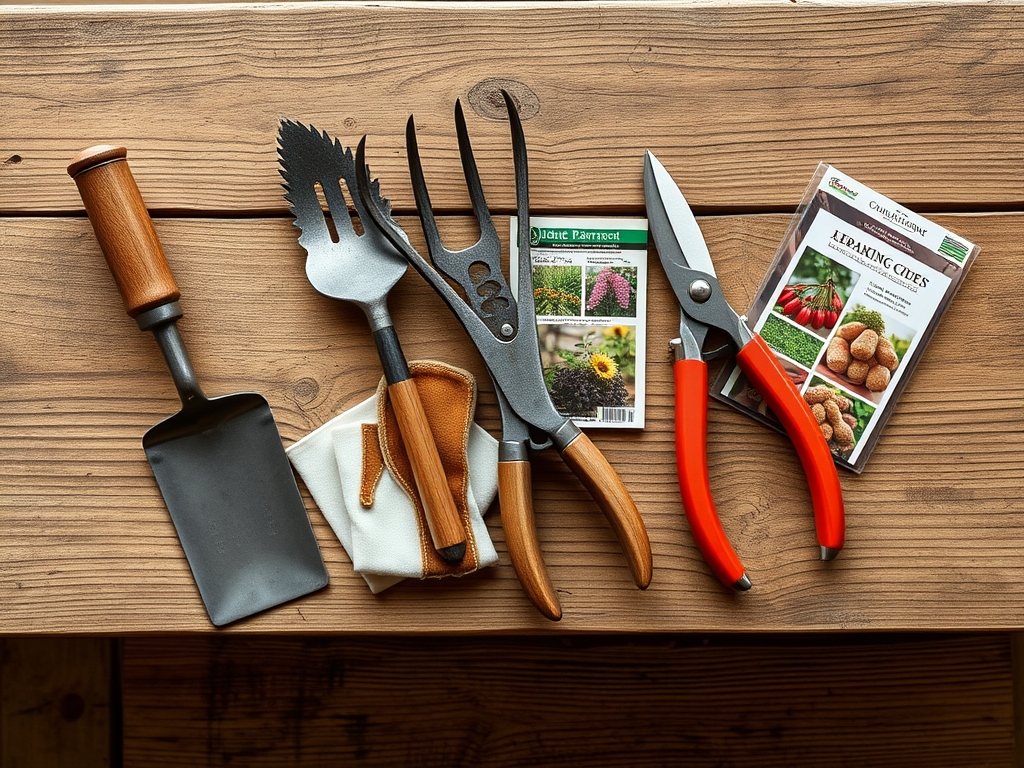
Selecting the best replacement handles for tools requires an understanding of the environment where they will be deployed. In a friable loam with a **pH of 6.5 to 7.0**, tools encounter moderate resistance. However, in heavy clay soils with high **Cation Exchange Capacity (CEC)**, the handle must withstand significant lateral stress.
For general maintenance in soils treated with a 10-10-10 NPK ratio, American Hickory is the industry standard due to its shock-absorption properties. If the substrate is a sandy loam with low water-holding capacity, the tool will move through the earth with less friction, making lightweight Grade A Ash an ideal choice. In high-moisture environments where anaerobic conditions might cause wood rot, fiberglass handles with reinforced cores provide superior longevity. The physical texture of the ideal substrate should be granular and well-aerated; the handle must be the conduit that allows the gardener to feel the soil's resistance without absorbing the vibration into their joints.
Timing:
The installation of new handles should occur during the dormant season, typically between the first hard frost and the spring thaw. In Hardiness Zones 5 through 7, this window falls between late November and early March. Repairing tools during this period ensures they are ready for the "Biological Clock" transition, where plants move from winter senescence to the rapid vegetative growth of spring.
As the photoperiod increases, the demand for soil aeration and nutrient incorporation rises. If you miss the frost-date window for tool maintenance, you risk delaying the transplanting phase, which can stunt the development of root systems before the heat of summer sets in. Precision in timing ensures that when the soil temperature reaches a consistent 55 degrees Fahrenheit, your equipment is capable of deep-tillage and precise hole excavation.
Phases:
Sowing and Preparation
Before the first seed hits the furrow, the tool must be calibrated. A replacement handle for a garden hoe or rake must be seated perfectly within the metal ferrule to prevent wobbling. This stability is critical when creating a seedbed in friable loam.
Pro-Tip: Proper handle alignment prevents uneven pressure during soil leveling. This ensures uniform seed depth, which is vital for photoblastism, the process where specific light levels trigger germination in seeds near the soil surface.
Transplanting
During the transplanting phase, shovels and spades with new D-grip handles provide the necessary torque to lift root balls without disturbing the delicate root hairs. A secure handle allows for a clean extraction of the plant from its container or nursery bed.
Pro-Tip: Minimize the time the roots are exposed to air to prevent turgor loss. A sturdy handle allows for a faster "lift and place" motion, reducing the risk of transplant shock by maintaining the integrity of the mycorrhizal symbiosis already established in the root zone.
Establishing
As plants enter the reproductive stage, tools are used for hilling and weeding. The best replacement handles for tools used in this phase must be long enough to provide leverage while keeping the gardener upright. This reduces physical fatigue and allows for more precise movements around the base of the plant.
Pro-Tip: Use a long-handled hoe to disrupt weed seedlings without disturbing the crop's shallow lateral roots. This prevents auxin suppression, where physical damage to the plant can trigger a hormonal shift that slows upward growth in favor of wound healing.
The Clinic:
Physiological disorders in plants often stem from soil compaction or poor drainage, issues that require heavy-duty tools to resolve.
- Symptom: Interveinal chlorosis in young leaves.
Solution: This often indicates a Nitrogen deficiency. Use a broadfork with reinforced handles to aerate the soil and incorporate a high-nitrogen fertilizer (e.g., 21-0-0) directly into the root zone.
- Symptom: Blossom end rot in Solanaceae species.
Solution: This is a Calcium transport issue, often caused by inconsistent moisture. Use a spade to trench around the drip line and apply lime to raise the Calcium levels and stabilize the soil pH.
- Symptom: Stunted growth and purple-tinted foliage.
Solution: This signals Phosphorus deficiency, common in cold, wet soils. Use a hand trowel with a high-friction grip handle to work bone meal into the top 3 inches of the rhizosphere.
- Symptom: Marginal leaf burn.
Solution: Typically a sign of Potassium deficiency or salt accumulation. Use a rake to flush the soil with water and incorporate organic matter to improve the Cation Exchange Capacity.
Maintenance:
To extend the life of your replacement handles, wipe them down after every use to remove caustic fertilizers and moisture. Apply a light coat of boiled linseed oil to wooden handles twice a year to prevent desiccation and splintering. For the garden beds themselves, consistency is key. Deliver 1.5 inches of water per week at the drip line using a soaker hose or drip irrigation system.
When working in the field, carry a hori-hori knife for weeding and a pair of bypass pruners for clean vascular cuts. Use a soil moisture meter to verify that the water is penetrating at least 6 inches deep. If the meter shows dry pockets, use your newly handled spade to break the surface tension of the soil, allowing for better hydraulic conductivity.
The Yield:
Harvesting is the culmination of the plant's life cycle. For leafy greens, harvest in the early morning when turgor pressure is at its peak to ensure "day-one" freshness. For root crops, use a garden fork with a reinforced hickory handle to lift the soil from beneath the crop, avoiding mechanical damage to the epidermis.
Post-harvest, immediately move produce to a shaded, cool environment to slow the rate of respiration and senescence. For woody perennials or flowers, use sharp shears to ensure the xylem and phloem remain open, allowing for maximum water uptake in the vase or storage bin.
FAQ:
Which wood is best for replacement handles?
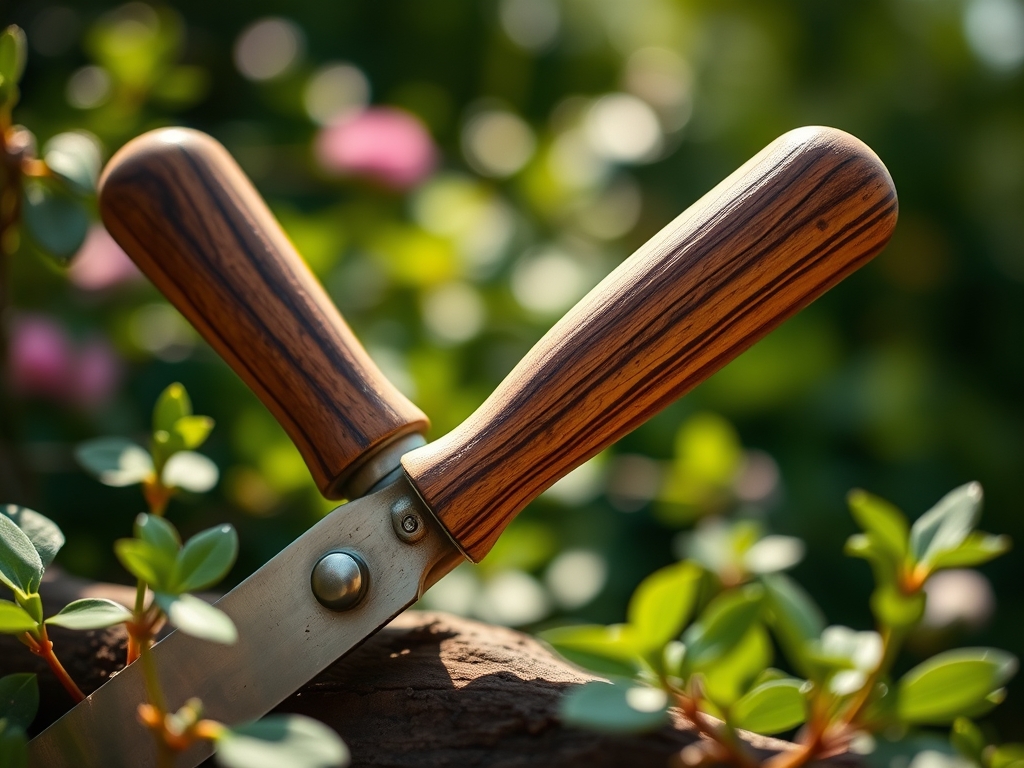
American Hickory is the superior choice for high-impact tools like axes and sledges. It offers a high strength-to-weight ratio and excellent shock-absorption qualities. Grade A Ash is preferred for long-handled tools like rakes and hoes due to its flexibility.
How do I know if a handle fits my tool?
Measure the internal diameter of the tool's socket or ferrule. Replacement handles are often oversized and require shaving with a wood rasp for a "press-fit" connection. A secure fit prevents mechanical failure and ensures user safety during high-torque applications.
Is fiberglass better than wood for garden tools?
Fiberglass is weather-resistant and does not shrink or rot, making it ideal for wet climates. However, it lacks the natural shock absorption of wood. For heavy digging in compacted soils, hickory remains the professional standard for reducing joint fatigue.
How do I prevent a new wooden handle from cracking?
Apply boiled linseed oil to the wood every six months. This creates a hydrophobic barrier that prevents the wood from absorbing excess moisture or drying out. Store tools in a low-humidity environment away from direct sunlight to prevent UV degradation.