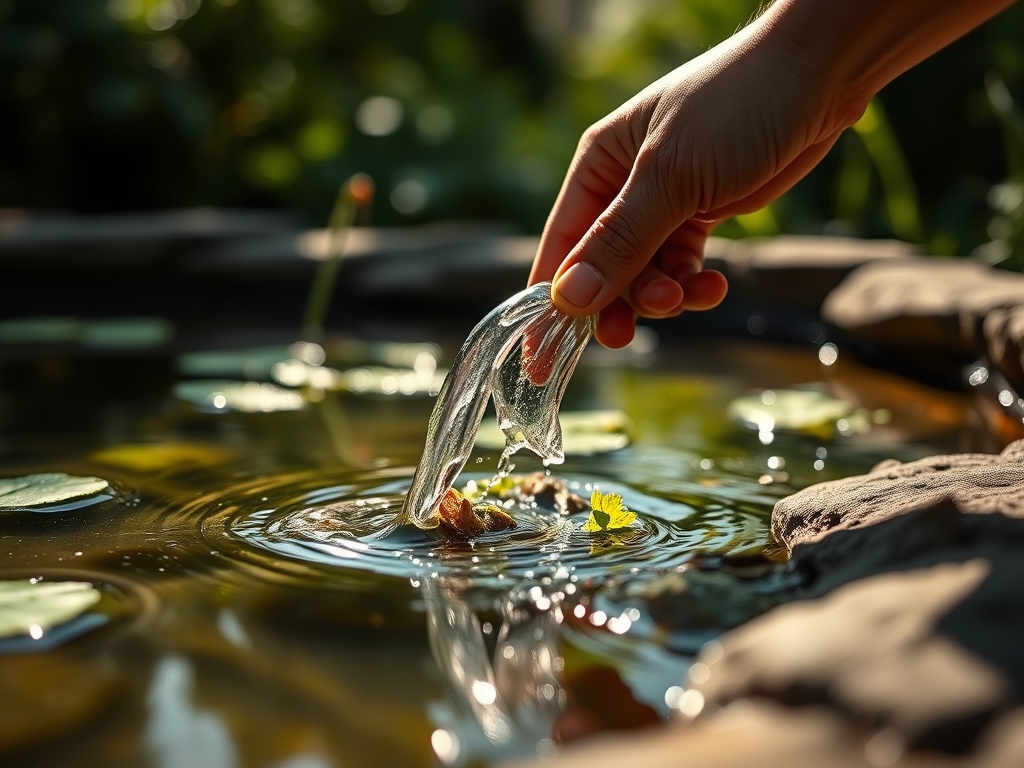
10 Simple Steps to Clean a Garden Pond
The smell of anaerobic decomposition is the first indicator that a closed aquatic system has reached its tipping point. When hydrogen sulfide gas rises from the benthos; the dark, oxygen-deprived layer at the bottom; the biological load has exceeded the capacity of the nitrogen cycle. To restore clarity and prevent fish mortality, you must execute precise steps to clean a garden pond. This process involves the physical removal of organic sludge and the recalibration of the water chemistry to support a healthy rhizosphere for aquatic flora. Neglecting this maintenance leads to eutrophication, where excess nutrients trigger uncontrolled algae blooms that deplete dissolved oxygen levels.
A functioning pond is a delicate balance of mechanical filtration and biological processing. When the accumulation of leaf litter and fish waste exceeds the decomposition rate of aerobic bacteria, the system shifts into a state of stress. By following a structured protocol, you can reset the ecological baseline of your water feature. This guide provides the technical framework required to manage nutrient loads, stabilize pH levels, and ensure the long-term health of your aquatic environment through rigorous horticultural science.
Materials:
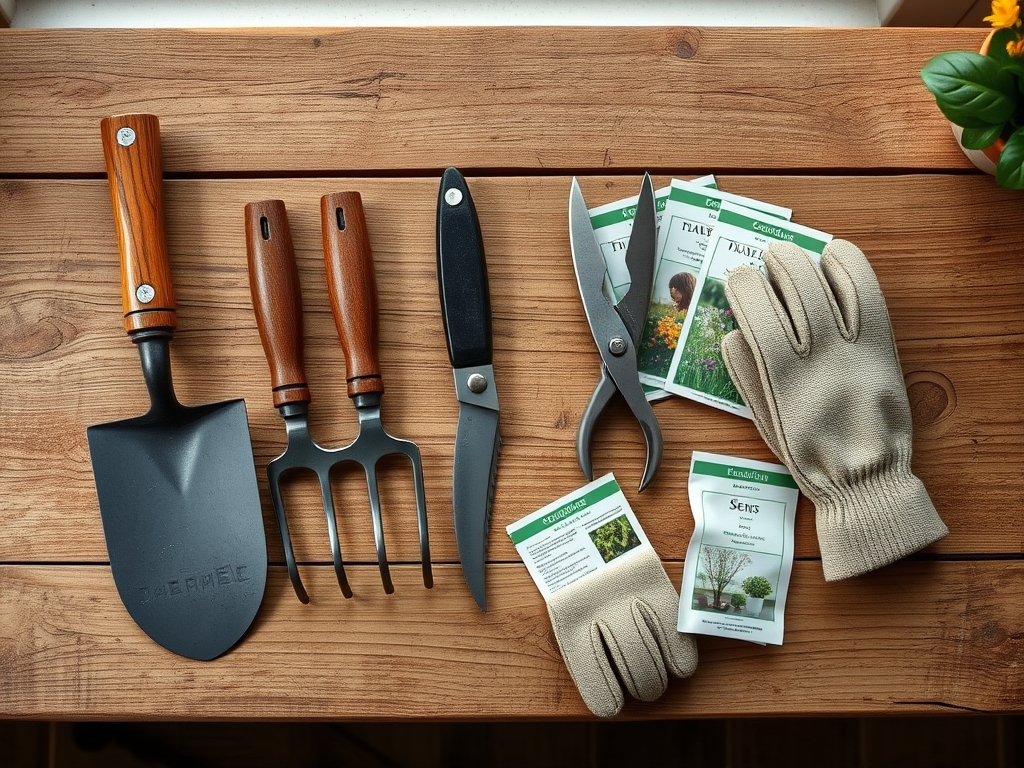
Substrate management is critical for ponds with integrated planting shelves. For aquatic containers, use a heavy, friable loam with low organic matter to prevent floatation. Avoid standard potting soils that contain perlite or vermiculite. The ideal substrate should have a high Cation Exchange Capacity (CEC) to hold nutrients without leaching them into the water column.
For marginal plants, utilize a fertilizer with an NPK ratio of 10-14-8. The higher phosphorus content supports root development and flowering without overstimulating vegetative growth that leads to soft, pest-susceptible tissue. Maintain a soil pH between 6.5 and 7.5 to ensure nutrient bioavailability. If the pH drifts above 8.5, ammonia toxicity increases significantly. Ensure you have a high-volume solids-handling pump, a heavy-duty pond net, and a de-mucking vacuum capable of extracting fine particulates from the pond floor.
Timing:
In Hardiness Zones 4 through 7, the primary cleaning window occurs in early spring, specifically when water temperatures consistently reach 50 to 55 degrees Fahrenheit. This coincides with the end of the "Biological Clock" dormancy period. At these temperatures, the metabolism of beneficial nitrifying bacteria begins to accelerate, but the pond's inhabitants remain in a low-activity state, minimizing stress during handling.
In Zones 8 through 11, a secondary cleaning can be performed in late autumn. The goal is to remove deciduous debris before the winter senescence phase. Performing a deep clean during the peak of summer is discouraged; high temperatures reduce the water's ability to hold dissolved oxygen, and the metabolic rate of fish is at its maximum, making any disruption potentially fatal. Monitor the photoperiod; as daylight increases, the vegetative surge of aquatic plants will begin, and cleaning must be completed before new shoots become brittle.
Phases:

Sowing and Plant Preparation
Before draining, prune all aquatic plants. Use bypass pruners to remove dead foliage from the previous season. For lilies, cut stems within two inches of the rhizome. This prevents the decay of old tissue from adding to the organic load during the refill process.
Pro-Tip: Removing senescent tissue prevents the leaching of tannins into the water. This is vital because high tannin levels lower the pH and block light penetration, which inhibits the phototropism of submerged oxygenators like Anacharis.
Transplanting and Division
If marginal plants have become root-bound, use a hori-hori knife to divide the root mass. Discard the woody center and replant the vigorous outer sections. Ensure the crown of the plant is positioned at the specific depth required for its species; typically 2 to 6 inches for marginals.
Pro-Tip: Dividing plants stimulates the production of auxins, the hormones responsible for root elongation. This ensures the plant quickly establishes a new rhizosphere in the fresh substrate, allowing for more efficient nutrient uptake from the water.
Establishing the Biological Filter
Once the physical debris is removed and the pond is refilled, you must re-establish the bacterial colonies. Use a dechlorinator to neutralize tap water immediately. Introduce concentrated nitrifying bacteria to the filter media to kickstart the conversion of ammonia to nitrite, and eventually to nitrate.
Pro-Tip: Beneficial bacteria rely on mycorrhizal-like symbiosis within the porous surfaces of filter media. By providing high surface area, you maximize the "Bio-Film" thickness, ensuring the nitrogen cycle can handle the waste produced by the pond's biomass.
The Clinic:
Physiological disorders in a pond often manifest through the flora.
-
Symptom: Yellowing of older leaves with green veins (Interveinal Chlorosis).
Solution: This indicates a Magnesium deficiency. Add aquatic-safe magnesium sulfate at a rate of 1 tablespoon per 100 gallons to restore chlorophyll production. -
Symptom: Stunted growth and purple tinting on the underside of leaves.
Solution: This is a sign of Phosphorus deficiency. Check the water temperature; if it is below 55 degrees Fahrenheit, the plant cannot move phosphorus. If temperatures are optimal, use a slow-release aquatic fertilizer tab (NPK 10-25-10). -
Symptom: Soft, rotting rhizomes in Water Lilies.
Solution: This is typically caused by anaerobic conditions in the substrate. Repot the plant in a more porous, heavy clay-based soil and ensure the crown is not buried too deeply. -
Symptom: Excessive string algae growth.
Solution: This is a nutrient imbalance, not a disease. Reduce the fish stocking density or increase the volume of floating plants to shade 60 percent of the pond surface, outcompeting the algae for nitrates and sunlight.
Maintenance:
Consistent monitoring is the only way to prevent a total system collapse. Use a soil moisture meter for marginal plants kept in bogs to ensure the substrate remains saturated but not stagnant. Check the mechanical filter pads weekly and rinse them using pond water; never tap water; to preserve the bacterial colonies.
Perform a 15 percent water change every two weeks during the growing season to dilute accumulated salts and hormones. Use a hori-hori knife to remove invasive terrestrial weeds that attempt to encroach on the pond edge. Maintain the water level at the midpoint of the skimmer opening to ensure proper surface tension breakage and gas exchange. If the water level drops more than 2 inches per week, inspect the liner for punctures or check the waterfall for "splash-out" loss.
The Yield:
For those growing aquatic edibles like Water Celery or Lotus, harvest timing is essential for peak flavor and texture. Harvest Water Celery when the stalks reach 8 to 10 inches in height. Use sharp shears to cut the outer stems, leaving the inner heart to continue growing. For Lotus tubers, wait until the foliage has completely died back in late autumn.
To maintain "day-one" freshness for harvested aquatic greens, submerge the base of the stems in chilled, dechlorinated water immediately. This maintains turgor pressure within the cell walls, preventing wilting. Store in a high-humidity environment at 40 degrees Fahrenheit.
FAQ:
How often should I clean my pond?
Perform a deep clean once per year in early spring. Supplement this with weekly skimmer maintenance and monthly debris removal to prevent the accumulation of organic sludge and maintain a stable nitrogen cycle.
Can I use a pressure washer on the liner?
No. High-pressure water can damage the EPDM liner and strip away the beneficial bio-film. Use a standard garden hose and a soft-bristle brush to remove excess algae without compromising the structural integrity of the pond.
Why is my pond water brown?
Brown water is usually caused by tannins leaching from fallen leaves or peat moss. Increase mechanical filtration and add activated carbon to the filter circuit to chemically bond with and remove the dissolved organic compounds.
How do I know if my pump is the right size?
A pond pump should circulate the total volume of the pond at least once per hour. For a 1,000-gallon pond, utilize a pump rated for at least 1,200 gallons per hour to account for head-pressure loss.