10 Luxurious Ways How to Design a Backyard Spa
The smell of damp pine needles and the cool, metallic scent of wet slate define the sensory foundation of a high-end outdoor retreat. When you learn how to design a backyard spa, you are not merely placing a tub on a patio; you are engineering a microclimate where the turgor pressure of surrounding foliage meets the thermal mass of stone. Successful integration requires a deep understanding of site hydrology and the botanical requirements of the privacy screen that will enclose the space.
Materials:
Luxury spa design begins with the substrate. The surrounding planting beds must consist of **friable loam** with a **Soil Cation Exchange Capacity (CEC) between 15 and 25**. This ensures the soil can hold the essential nutrients required for the dense, lush growth needed for privacy. The ideal soil pH for a temperate spa garden is **6.2 to 6.8**, which optimizes the availability of phosphorus and micronutrients.
Incorporate organic matter to achieve a 3 percent to 5 percent concentration. For the initial establishment of screening plants like Thuja occidentalis or Taxus baccata, use a slow release fertilizer with an NPK ratio of 10-10-10. Once the plants reach the desired height, shift to a 5-10-10 ratio to encourage root stability and woody tissue development rather than excessive vertical elongation. The physical texture of the soil must allow for rapid drainage to prevent anaerobic conditions near the spa foundation.
Timing:
Timing is dictated by USDA Hardiness Zones and the local frost-free window. In Zones 5 through 7, structural hardscaping must be completed before the first hard freeze to prevent frost heave in concrete footings. The biological clock of your botanical elements is equally critical. Evergreen screens should be installed in the early spring, just as the plants exit dormancy and enter the vegetative stage.
This timing allows the root system to establish in the rhizosphere before the high heat of summer increases evapotranspiration rates. Avoid planting during the reproductive stage of flowering shrubs, as the plant will prioritize seed production over root establishment. Aim for a window where soil temperatures consistently hold at 55 degrees Fahrenheit or higher.
Phases:
Sowing and Site Prep
The first phase involves excavating the site and managing water runoff. A concrete pad for a standard 400 gallon spa must be at least 4 inches thick with reinforced rebar. Surrounding this, the soil must be graded at a 2 percent slope away from the spa to prevent pooling. If using ground covers like Bryina (moss) between pavers, ensure the substrate is packed but permeable.
Pro-Tip: Utilize mycorrhizal inoculants during soil preparation. These fungi form a symbiotic relationship with plant roots, effectively increasing the surface area for water absorption and protecting against soil-borne pathogens.
Transplanting Structural Greenery
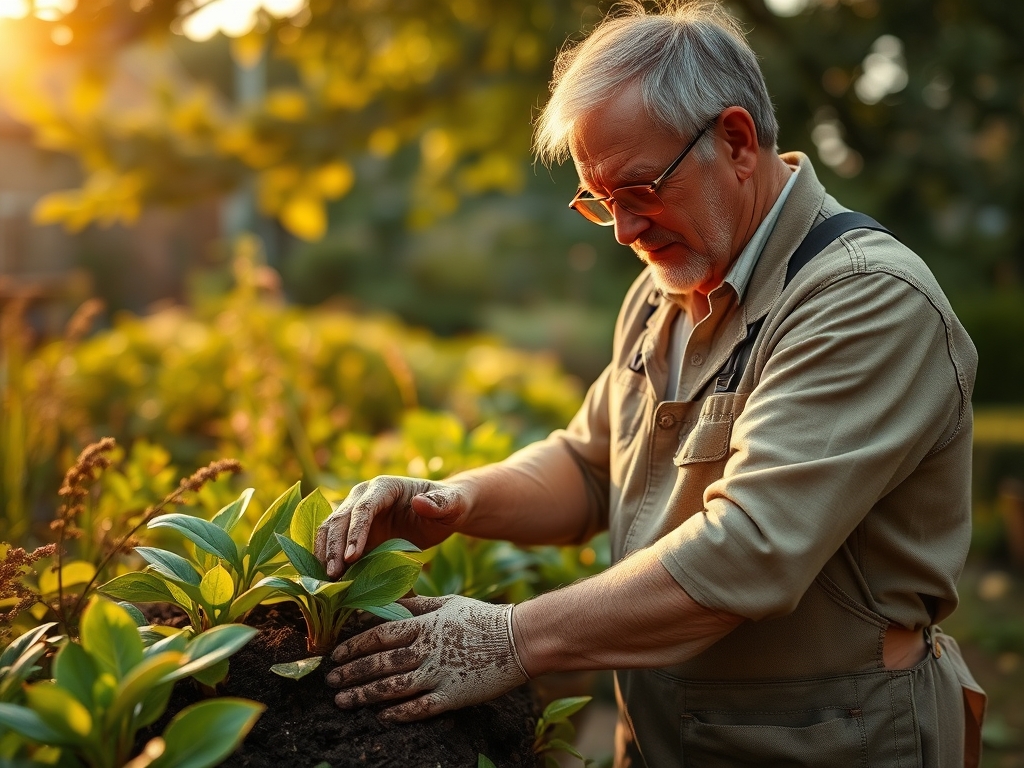
When installing 6 foot to 8 foot privacy trees, dig a hole twice the width of the root ball but no deeper than the original container. This prevents the trunk flare from being buried, which can lead to bark decay and systemic failure. Backfill with native soil amended with composted leaf mold to maintain a consistent texture.
Pro-Tip: Avoid heavy nitrogen application immediately after transplanting. High nitrogen levels can trigger auxin suppression in the roots, causing the plant to prioritize leggy top growth over the essential root development needed for long term stability.
Establishing the Microclimate
The final phase of how to design a backyard spa involves layering the "softscape" to manage humidity and temperature. Use broad-leafed plants like Hosta or Fatsia japonica near the water source. Their large surface areas contribute to transpiration cooling, which can lower the ambient temperature around the spa by 3 to 5 degrees during peak summer hours.
Pro-Tip: Position plants according to their photoperiod requirements. Use the shadow cast by the spa structure or pergolas to protect shade-loving species from midday solar radiation, preventing leaf scorch and maintaining high chlorophyll density.
The Clinic:
Physiological disorders in a spa garden often stem from chemical splashes or poor drainage. Observe the foliage carefully for early indicators of stress.
- Symptom: Interveinal chlorosis (yellowing between green veins) on new growth.
Solution: This indicates an iron deficiency, often caused by a pH above 7.0. Apply chelated iron and use elemental sulfur to lower the pH to 6.5. - Symptom: Marginal leaf burn or necrosis on salt-sensitive plants.
Solution: This is frequently caused by chlorine or bromine splash from the spa. Flush the soil with 2 inches of fresh water to leach the salts and move sensitive plants at least 3 feet from the water's edge. - Symptom: Stunted growth and purplish tint on the underside of leaves.
Solution: This is a classic Phosphorus deficiency. Apply a 0-20-0 superphosphate treatment to the root zone to support ATP production and cellular energy transfer.
Maintenance:
Precision is the difference between a thriving retreat and a declining landscape. Use a soil moisture meter twice weekly to ensure the root zone stays at 60 percent to 70 percent field capacity. Most established privacy screens require 1.5 inches of water per week delivered at the drip line via drip irrigation to minimize evaporation.
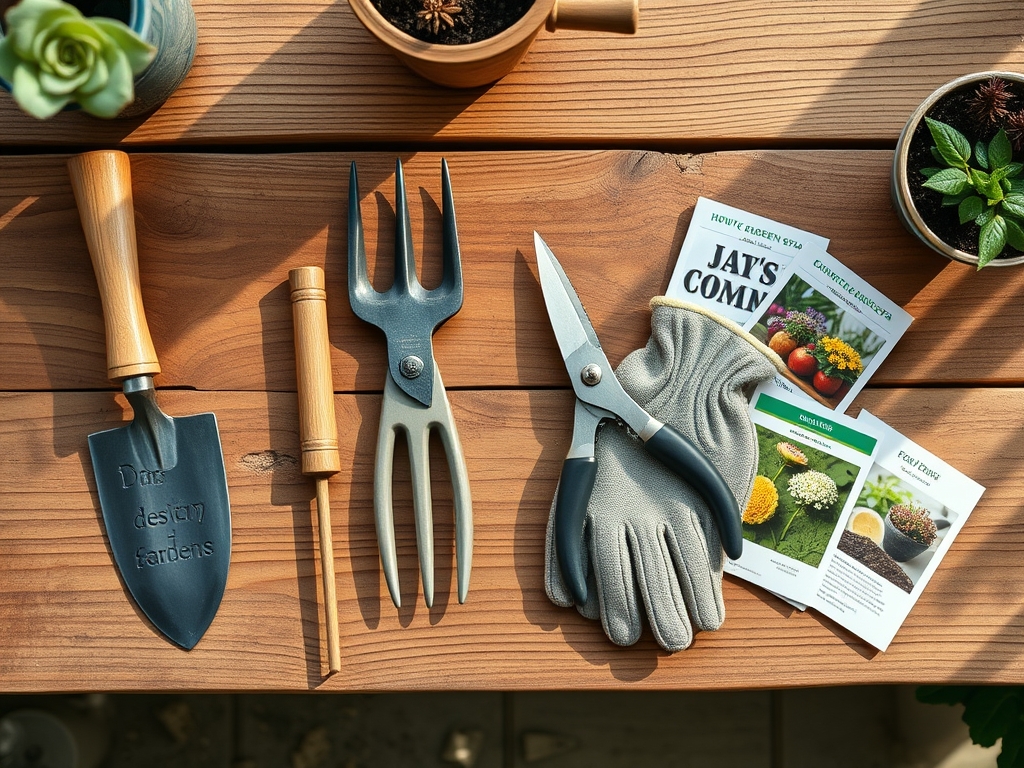
Pruning should be performed with sharp bypass pruners to ensure clean cuts that heal quickly. Use a hori-hori knife to remove deep-rooted weeds without disturbing the delicate fungal networks in the upper soil layers. Every autumn, apply a 2 inch layer of organic mulch to insulate the roots and maintain a stable temperature during winter dormancy.
The Yield:
While a spa garden is primarily for relaxation, the "yield" is the sustained health and density of the privacy screen. To maintain day-one freshness in the foliage, perform "thinning cuts" rather than "heading cuts." This allows light to penetrate the inner canopy, preventing the senescence of interior leaves. If you have integrated aromatic herbs like Lavandula or Rosmarinus for the spa atmosphere, harvest them in the early morning when essential oil concentration is at its peak.
FAQ:
What is the best foundation for a backyard spa?
A reinforced concrete pad at least 4 inches thick is the gold standard. It provides the necessary structural integrity to support the weight of the water, which averages 8.34 pounds per gallon, plus the weight of the occupants.
How do I protect plants from spa chemicals?
Select salt-tolerant species like Rugosa Rose or Wintercreeper. Ensure the spa has a high-quality cover to prevent evaporation of treated water. Maintain a 3-foot buffer zone of inorganic mulch or stone between the spa and sensitive botanical specimens.
Which plants provide the best year-round privacy?
Evergreens with dense branch structures are most effective. Thuja occidentalis 'Smaragd' maintains a narrow footprint and deep green color. Taxus varieties offer extreme shade tolerance and can be pruned into formal geometric walls to enhance the architectural aesthetic.
How often should I test the soil around my spa?
Perform a professional soil test once every two years. This monitors the pH levels and salt accumulation from spa splash-out. Maintaining a CEC of 15+ ensures the soil remains resilient against the minor chemical fluctuations common in spa environments.