7 Best Protective Sprays for Metal
The smell of damp earth after a spring rain signals the peak of turgor pressure within a plant's vascular system; however, for the gardener, it also signals the onset of oxidation for any exposed garden infrastructure. High humidity and soil moisture levels accelerate the degradation of iron-based tools and steel trellises through electrochemical reactions. To preserve the structural integrity of your garden architecture, applying the best protective sprays for metal is as critical as monitoring your soil pH. Without a barrier, oxygen and water penetrate the surface, leading to iron oxide formation that weakens supports and leaches heavy metals into the rhizosphere. A professional approach requires a clean substrate and a coating that can withstand UV exposure and temperature fluctuations. Protecting your investment ensures that your trellises can support the heavy biomass of a fruiting vine without buckling under the weight. Maintaining these surfaces is a technical necessity for any high-output botanical environment.
Materials:

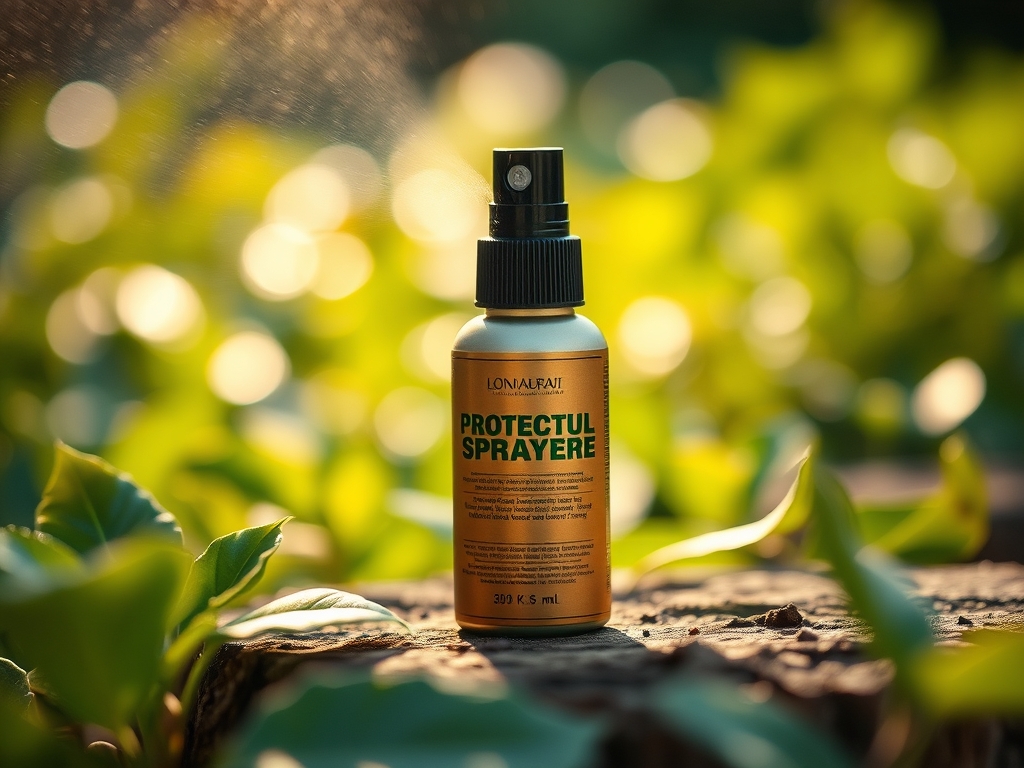
In a high-performance garden, the soil environment dictates the rate of metal corrosion. A **soil pH of 5.5 to 6.5** is ideal for nutrient availability, but this acidity increases the conductivity of the soil, speeding up the corrosion of buried metal stakes. The ideal substrate is a **friable loam** with a high **Cation Exchange Capacity (CEC)** of **15 to 25 milliequivalents per 100 grams**. This texture allows for adequate drainage while holding onto essential cations like potassium and magnesium. For your metal protection kit, you require a wire brush, a degreasing agent, and a high-zinc cold galvanizing spray. Zinc acts as a sacrificial anode; it oxidizes before the underlying steel, providing electrochemical protection. You should also stock clear enamel coats for decorative copper elements to prevent the formation of verdigris, which can alter the chemical balance of the runoff entering your garden beds.
Timing:
Successful metal maintenance follows the same "Biological Clock" as your crops. In Hardiness Zones 5 through 7, the window for application is between the last spring frost and the summer solstice. You must apply protective coatings when the ambient temperature is between 50 and 85 degrees Fahrenheit and the relative humidity is below 85 percent. During the transition from the vegetative to the reproductive stage, plants increase their water uptake, raising local humidity levels around metal supports. Applying your protective sprays before this biomass surge ensures the metal is sealed before the microclimate becomes too damp. For perennials, the best time for a secondary inspection is during senescence in late autumn, when foliage dies back and the metal structure is fully exposed for cleaning and re-coating before the first hard freeze.
Phases:

Sowing and Site Prep
Before the first seed enters the ground, inspect all metal cages and stakes. Remove loose rust with a wire brush until the surface is bright. Apply a rust-inhibiting primer. This prevents iron oxide from flaking into the soil, which can interfere with the uptake of phosphorus in young seedlings.
Pro-Tip: Proper metal maintenance prevents the disruption of mycorrhizal symbiosis. Excessive rust flakes can alter the local soil mineral concentration, potentially inhibiting the beneficial fungi that help roots absorb water and nutrients.
Transplanting and Integration
As you move starts from the greenhouse to the field, ensure that any metal ties or supports are smooth and coated. A rough, rusted surface can cause mechanical injury to the stem. These wounds serve as entry points for pathogens like Botrytis cinerea.
Pro-Tip: Smooth metal surfaces reduce the risk of auxin suppression. When a plant stem is physically damaged by rough rust, it may redirect growth hormones to repair the wound rather than focusing on vertical extension and leaf development.
Establishing the Barrier
Once the plant reaches 12 inches in height, the lower canopy creates a shaded, moist environment. This is the final opportunity to touch up the base of metal supports with a hydrophobic spray. Use a cardboard shield to prevent overspray from hitting the foliage, as petroleum-based carriers can cause phytotoxicity.
Pro-Tip: Maintaining a reflective metal surface can assist with phototropism. Clean, light-colored metal reflects supplemental light back into the lower canopy, helping the plant maintain uniform leaf density and preventing lower-leaf senescence.
The Clinic:
Monitoring the intersection of metal and biology requires a keen eye for physiological disorders.
- Symptom: Interveinal chlorosis in new growth.
- Solution: Check for Nitrogen chlorosis or iron toxicity. If metal stakes are heavily rusted and the soil is highly acidic (pH below 5.0), iron may become too available, causing toxicity that mimics other deficiencies.
- Symptom: Localized necrotic spots on stems touching metal.
- Solution: This is often a chemical burn from heat conduction. Apply a light-colored protective spray to reduce the thermal conductivity of the metal during peak UV hours.
- Symptom: Stunted root growth near metal fence posts.
- Solution: Fix-it by testing for zinc or copper toxicity. If using non-treated metal, the leaching of these elements can inhibit root elongation. Use a high-quality polymer-based protective spray to seal the metal.
Maintenance:
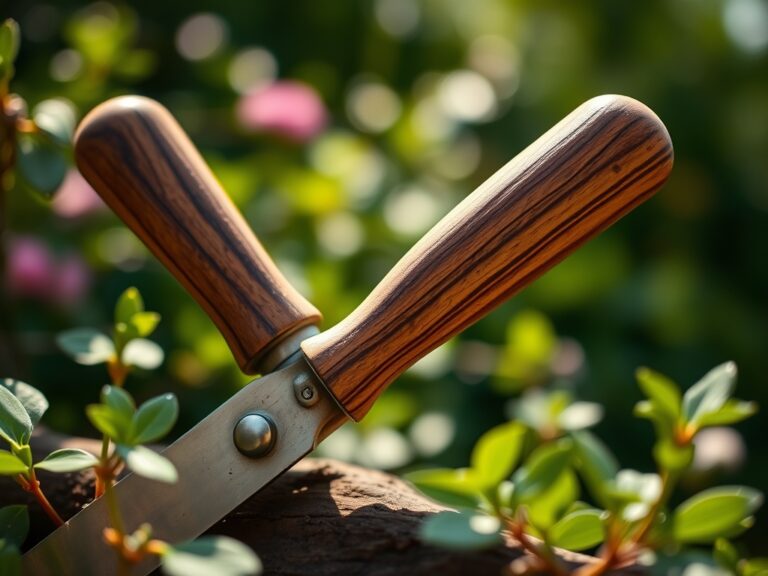
Precision is the hallmark of a master gardener. Use a soil moisture meter to ensure your beds receive exactly 1.5 inches of water per week at the drip line. Avoid overhead irrigation; water hitting metal supports increases the rate of coating failure. Use a hori-hori knife to scrape away soil from the base of metal trellises twice a year to inspect for "ground-line" corrosion. If the coating is compromised, use bypass pruners to clear away any encroaching foliage, dry the area completely, and re-apply a localized spray. Keep your tools clean by wiping them with a rag dipped in mineral oil after every use to prevent the transfer of soil-borne pathogens and to maintain the factory finish on the metal.
The Yield:
Harvesting is the culmination of your technical labor. For fruiting crops, harvest when the fruit reaches its peak turgor pressure, typically in the early morning before the sun induces transpiration stress. Use sharp, sterilized snips to ensure a clean abscission zone. For metal-supported crops like tomatoes or pole beans, ensure the harvest process does not jar the metal supports, which could crack the protective coating at the joints. Post-harvest, clean the metal structures of all organic debris. Sugars and acids from decaying fruit can eat through protective sprays if left over the winter. Store your metal supports in a dry, ventilated area to ensure they remain "day-one" fresh for the next planting cycle.
FAQ:
What is the best protective spray for garden metal?
A high-zinc cold galvanizing spray is superior. It provides a sacrificial layer that prevents rust even if the surface is scratched. It is durable enough to withstand the friction of climbing vines and fluctuating soil moisture levels.
Can I spray metal supports while plants are growing?
Only with a physical shield. The solvents in most protective sprays are phytotoxic and will cause immediate leaf burn. It is best to treat metal before the planting season or after the plants have reached senescence.
How often should I re-apply metal protection?
Inspect annually. In high-humidity environments or coastal areas with salt spray, a full re-application every two years is necessary. Use a wire brush to spot-treat any rust blooms as soon as they appear to prevent structural failure.
Will protective sprays hurt my soil microbes?
Once cured, most polymer and zinc-based sprays are inert. The danger lies in the liquid application. Always allow the spray to dry for 24 to 48 hours before placing the metal in contact with soil or foliage.